
.
From Chris Bangle’s Big Benches, now a symbol of the Alta Langa, comes the BIG BENCH COMMUNITY PROJECT (BBCP) initiative, to support local enterprise, tourism and craftsmanship in the towns that host these out-of-scale installations. BBCP is a no profit initiative promoted by the american designer and his wife Catherine, Clavesana citizens since 2009, to unite the creativity of the Chris Bangle Associates S.r.l. design team with the craftsmen of this area of Piemonte. BBCP activities – strictly no profit – include both technical support for those who wish to construct offi-cial Big Benches, and collaboration with prominent local craftsmen to create products inspired by them, that may constitute a small contribution to the local economy and tourism, in the spirit of positivity that the Big Benches bring to this area. The change in perspective due to the size of the bench makes one feel like a child, able to be amazed by the beauty of the landscape seen through new eyes. The bench in less then a year became a local attraction for visitors to the area. Chris Bangle: «It is a great lesson in the use of contextual innovation. We are so obsessed by discovering new things that we often deny ourselves the interesting feeling of experiencing well known things but in a different context».

Senini is the leading Italian company in the production of blocks, floors and curbs. The company invests in research to help improve the quality of life and to build an "eco-environment": houses, squares, streets and gardens where respect and care for the environment predominates, where attention to the well-being of people and the care of beauty are Heritage of all. Environments not only beautiful but also "healthy". Maximum transparency and maximum reliability: All Senini production uses only natural raw materials. Enriched with a new line of products for the bio-building sector senini Tecnohemp produces the block in hemp and Lime. A choice in step with the times, consistent with the strategy of the company for many years engaged in the production of innovative materials, eco-sustainable and low environmental impact. The houses of the future will increasingly be built with natural materials: a growing trend that contributes to preserving the environment and ensuring a better quality of life for all.

Valentina Confuorto canta e conta storie, ma ha uno spirito organizzativo non da poco. Ha collaborato alla realizzazione di eventi per svariati Teatri e Associazioni Musicali, a Napoli, Padova, in Italia e all'estero in Francia, Irlanda e Germania. Oltre ad aver vinto numerosi concorsi letterari, si è dedicata alla realizzazione di opere multimediali legate alla musica, arrivando finalista in concorsi nazionali e internazionali, ha collaborato attivamente per il Carnevale di Venezia. Per Tartini2020 ha scritto la commedia in due atti “Le dissonanze. Tartini, musica e bollori”, per il Carnevale di Venezia ha scritto e diretto nel 2018 lo spettacolo “El ziogo dele perle de vero”, l’anno dopo ha redatto testi e musiche per “Da Venezia alla Luna – La magica storia di Alvise Cicoria”, con regia di Alessandro Bressanello. Diploma in flauto dolce col massimo dei voti sotto la guida di Sergio Balestracci, laurea in Musicologia cum laude presso l’Università di Padova, nel 2013 master in Manager degli eventi a Bologna.
Slow Food is an organization that promotes local food and traditional cooking. It was founded by Carlo Petrini in Italy in 1986 and has since spread worldwide to prevent the disappearance of local food cultures and traditions, counteract the rise of fast life and combat people’s dwindling interest in the food they eat, where it comes from and how our food choices affect the world around us. Since its beginnings at Boccon di Vino a Typical Italian Trattoria, Slow Food has grown into a global movement involving millions of people in over 160 countries, working to ensure everyone has access to good, clean and fair food. Slow Food believes food is tied to many other aspects of life, including culture, politics, agriculture and the environment. Through our food choices, we can collectively influence how food is cultivated, produced and distributed, and change the world as a result.
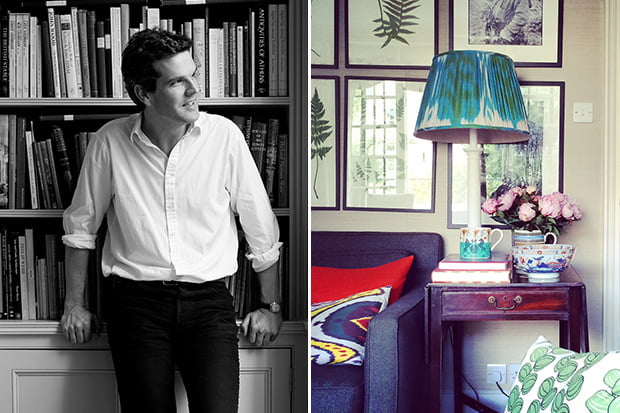
Ben Pentreath’s architectural and interior design studio has established a powerful reputation across a variety of disciplines. From master-planning and urban development, to private houses and playful interiors, our small and close-knit team works to create the best – whatever the scale, size, scope and budget of a project. Above all, we love designing places that work beautifully for the long term, and feel right for place. Our architectural and masterplanning practice works on projects at every scale – from large new urban developments to individual private houses. Whatever the size of project, we apply the same principles to all our work: an understanding of scale and proportion, intelligent care and attention to detail, and the creation of buildings that feel timeless and appropriate to place. Above all, we take real pleasure in every stage of the design process.
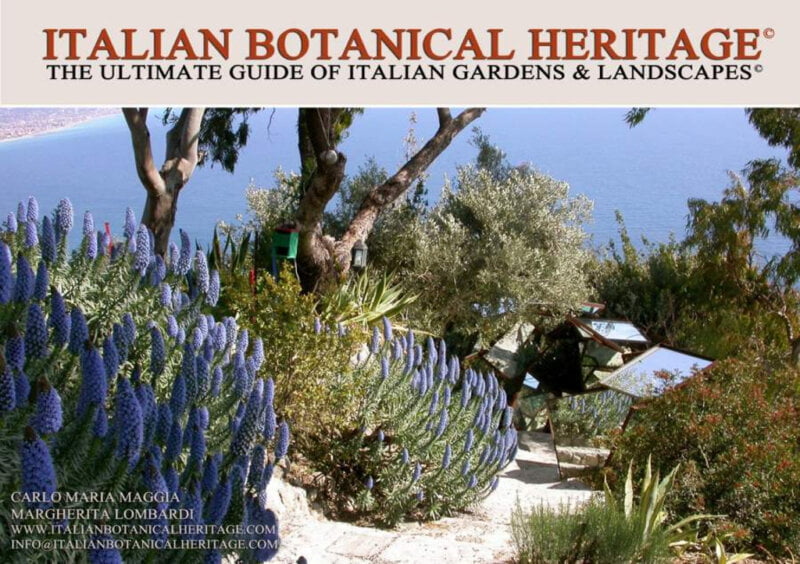
L’Italia possiede il patrimonio naturalistico, botanico, paesaggistico e artistico fra i più ricchi del mondo, in virtù della sua morfologia articolata, che le regala climi, microclimi, terreni e ambienti diversi, della sua storia e e cultura. Fin dall’antichità, il Bel Paese è stato meta di viaggiatori stranieri, dai pellegrini che nel Medioevo si recavano a Roma per ottenere l'indulgenza, ai commercianti e banchieri, agli scrittori, ai pittori e agli architetti che fin dal Rinascimento vi si recavano per affari e studio. Nel Sette-Ottocento un soggiorno nel Bel Paese diventò una tappa obbligatoria del lungo viaggio, il cosiddetto Grand Tour, che i giovani delle ricche famiglie europee e in seguito americane, dovevano compiere per completare la propria educazione: e molti di loro rimasero incantati dai nostri giardini e paesaggi, che descrissero nei loro scritti o raffigurarono nei loro dipinti. L’Italia ha infatti ancora molto da offrire ai viaggiatori curiosi di tutto il mondo, siano essi botanici, naturalisti, ornitologi, paesaggisti, architetti, vivaisti, giardinieri per professione o per passione: una scelta vastissima di parchi e giardini storici e contemporanei, orti botanici e roseti, paesaggi mutevoli, fioriture nascoste, boschi antichi e alberi secolari. E, ancora, passeggiate in luoghi poco conosciuti, spiagge, torrenti e forre d’acqua dolce, riserve e oasi naturalistiche, vigneti e oliveti; coltivazioni locali ritrovate e prodotti tipici, frutto di sapienze antiche, musei botanici e agricoli, collezioni botaniche, e last but not least, il fior fiore dei vivai italiani, grandi e piccoli, uniti dalla medesima passione e curiosità per la ricerca botanica e la sperimentazione colturale. Italian Botanical Heritage vuole essere proprio questo: un luogo di incontro per noi tutti appassionati di piante, giardini, natura.
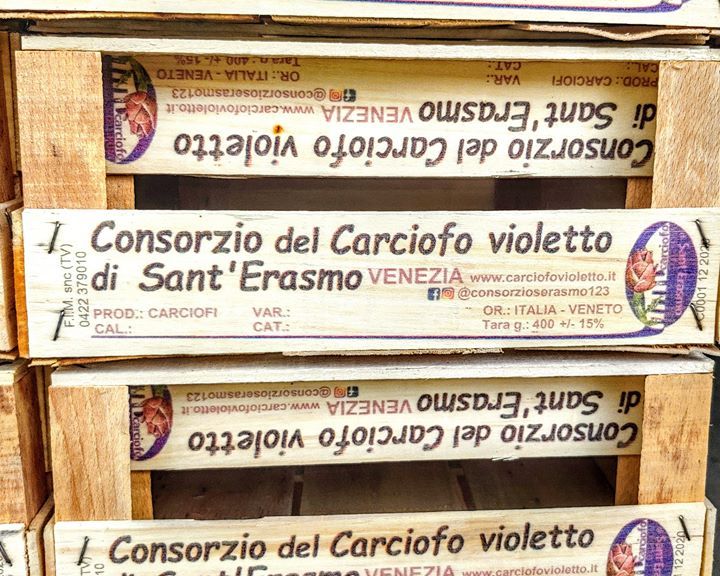
Sant’Erasmo è un’isola della laguna di Venezia, a mezz’ora di vaporetto dalle Fondamenta Nuove. È grande come la metà della città, è attraversata da canali, e dal Cinquecento è un unico grandissimo orto. Sui terreni argillosi, ben drenati e con una salinità molto alta, crescono verdure saporite, specialmente i carciofi, tanto che la varietà coltivata sulla laguna ha preso il nome proprio da questa isola. Tenero, carnoso, spinoso e di forma allungata, il carciofo di Sant’Erasmo ha le brattee color violetto cupo. Un tempo negli orti della laguna lo concimavano con le scoasse (la spazzatura, in veneziano) oppure con conchiglie e gusci dei granchi, che servivano per correggere l’acidità dei terreni. Il Carciofo Violetto di Sant'Erasmo è un prodotto agricolo incluso tra i presidii di Slow Food e tra i prodotti agroalimentari tradizionali italiani, come richiesto dalla Regione Veneto. Gli articiochi, così si chiamano i carciofi a Venezia, sono stati introdotti nella cucina veneziana dalla comunità ebraica. Sono consumati prevalentemente crudi e le castraure sono una vera delizia disponibile solo per pochi giorni: 10, 15, non di più. Le ricette a base di carciofo sono tantissime: fritti in pastella, crudi con un filo di olio d’oliva, oppure col garbo, cioè cotti col soffritto di aglio o cipolla a fuoco molto lento e a tegame coperto, con l’aggiunta finale di aceto o limone. E ancora alla grega, tagliati a spicchi, rosolati e serviti freddi con limone, oppure maritati con le schie (i gamberetti di laguna), gli aliciotti e le sardine. Nelle osterie sono tra i cicheti di ordinanza, lessi e conditi con aglio, prezzemolo, pepe e olio.

French photographer born in 1976, Thomas Jorion lives in Paris and travels the world to achieve his singular and timeless landscapes. Self-taught, he creates his photographs in natural light using an analog large format 4×5” camera. He captures places in ruins or abandoned, and allows us to rediscover and to imagine their past glory in a bygone era. In 2013, La Martinière editions published “Silencio”, a work that combines several of his series: Silencio, The other America, Konbini, The Quest of the soviets… From 2013 to 2016, Thomas Jorion has been focusing his photographic exploration on the former French colonies; these new series lead to a second book published by La Martinière “Vestiges of the empire” and presented on the occasion of his participation in Paris Photo. Since Thomas Jorion has taken over and developed the series “Veduta” on the Italian Palaces and Villas. This series will be presented for the first time in Paris in February 2019.
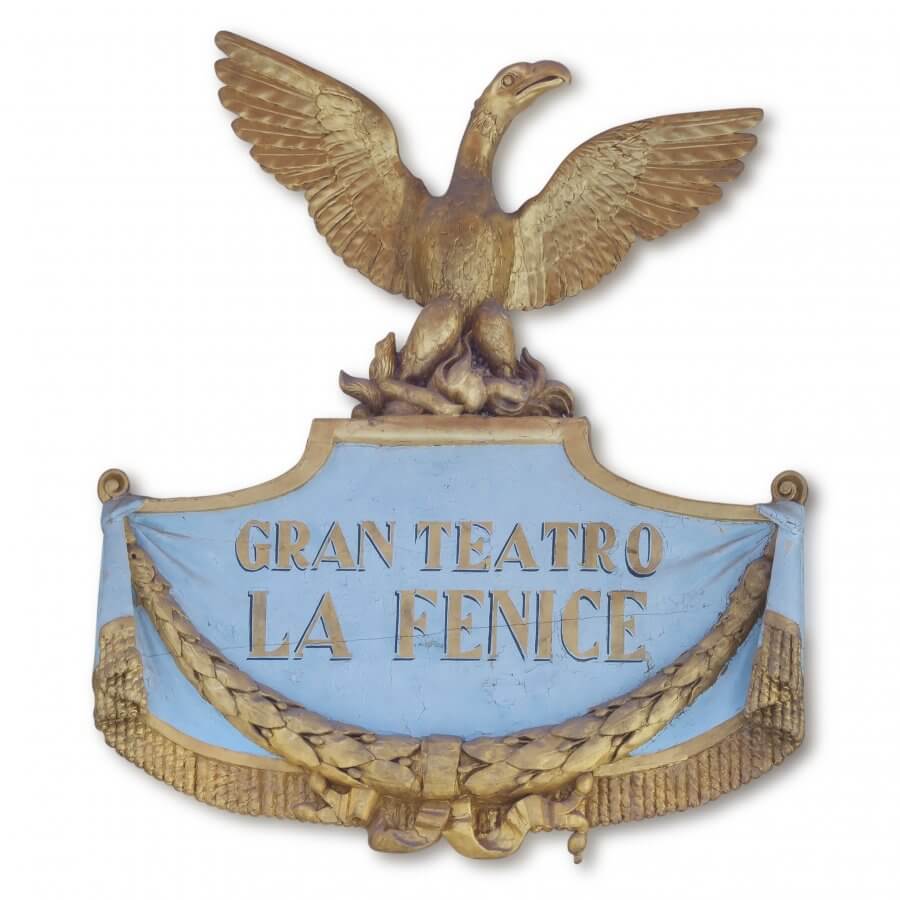
The Teatro la Fenice, is one of "the most famous and renowned landmarks in the history of Italian theatre", and in the history of opera as a whole. Especially in the 19th century, The Fenice Opera House was founded in 1792, and it was inaugurated on the 16th of May, in the day of Ascension Festivity (Fèsta de la Sènsa) in which was celebrate the Marriage of Venice with the sea. The Opera House, since its birth, tells us the history of Venice. La Fenice became the site of many famous operatic premieres at which the works of several of the four major bel canto era composers – Rossini, Bellini, Donizetti, Verdi – were performed. Its name reflects its role in permitting an opera company to "rise from the ashes" despite losing the use of three theatres to fire, the first in 1774 after the city's leading house was destroyed and rebuilt but not opened until 1792; the second fire came in 1836, but rebuilding was completed within a year. However, the third fire was the result of arson. It destroyed the house in 1996 leaving only the exterior walls, but it was rebuilt and re-opened in November 2004. In order to celebrate this event the tradition of the Venice New Year's Concert started. La Fenice is the Theatre of Venice. La Fenice has resuscitated twice from the ashes. La Fenice is Venice and reflects its history and embodies its myth. Water and light, fire and air are the elements that indissolubly constitute his Majesty. La Fenice is consecrated to Apollo and in the Theatre’s blue sky the Hours dance in the middle of a grove, where the audience sits in the stalls. San Marco’s Lion, also illuminated by Apollo on the Royal Box, is Venice itself, unique and uncontested beauty in its sea of enchantment.

Benedetta Cibrario scrittrice italiana nata a Firenze, ha vissuto in diverse città italiane, prima di arrivare, con la famiglia, in Piemonte. Si è laureata in Storia e Critica del Cinema con Gianni Rondolino, con una tesi su Michael Powell e Emeric Pressburger. Sposata, con quattro figli, per esigenze familiari e professionali ha iniziato a dividersi ripetutamente tra l’Italia e l’Inghilterra. Gli anni delle trasferte all’estero sono stati determinanti per Benedetta Cibrario, che ha iniziato a raccogliere materiale per un romanzo incentrato sul tema del rapporto tra individuo e storia, mettendo a fuoco non soltanto temi che torneranno nei romanzi seguenti ma anche sperimentando tecniche di scrittura più o meno esplicitamente suggerite dagli anni di studi cinematografici. Esordisce nel 2007 con un romanzo pubblicato da Feltrinelli, Rossovermiglio, che l’anno seguente si aggiudica il Premio Campiello e viene pubblicato in diversi paesi europei. Nel 2009, invece, esce Sotto i cieli noncuranti (Feltrinelli), premiato con il Premio Rapallo Carige 2010. Negli anni successivi seguono il romanzo breve Lo scarnuso (Feltrinelli, 2011) e Il rumore del mondo (Mondadori, 2018). Benedetta Cibrario, autrice impareggiabile nel raccontare epoche e personaggi, ha scritto il suo più recente grande romanzo, "Sotto cieli noncuranti", in cui la forza di una giovane donna e di un'epoca gloriosa e affacciata positivamente sul futuro trovano il loro equilibrio. Un libro pieno di storia, di bellissimi personaggi a tutto tondo e di una gioventù impegnata a cambiare il mondo. Come ci ha detto l'autrice, un romanzo che è "una macchina del tempo che azzera le distanze". In questo romanzo (“storico”, come si diceva) in cui non mancano precisi riferimenti ad avvenimenti, luoghi e personalità che abbiamo studiato sui libri di scuola, quello che colpisce è il bisogno dell’Autrice di rendere verosimili non solo nei modi, usi e costumi tutti gli innumerevoli personaggi del libro, ma il volerlo fare in maniera certosina anche nella scelta dei nomi, talvolta a lei suggeriti da lapidi, o da giornali e cronache del tempo, e dunque appartenuti a persone realmente esistite, che tuttavia Benedetta Cibrario trasforma in altro da sé, come fa con la protagonista, Anne Bacon: personalmente, trovo che questo omaggio a dimenticate persone di un lontano passato, il volerle riportare alla vita sia pure solo nella finzione narrativa, sia un gesto di commovente finezza. "Per ogni parola perduta", è il suo ultimo romanzo pubblicato nel 2022. Una straordinaria storia personale di oggi incentrata sul restauro di una mongolfiera, un evento storico molto ben documentato tra Francia, Italia e mercati dell'arte. È così completo, così ben arrotondato, così profondo ma leggero che non riesci proprio a smettere di leggerlo. L’Autrice è ben consapevole che le circa 750 pagine del romanzo impongono al lettore, anche al più veloce e disciplinato, una tempistica severa, ma ha voluto ugualmente correre il rischio di risultare anomala pubblicando un libro “lungo”: la verità è che al Lettore, alla fine, rimane la voglia di sapere ancora, e ancora, e ancora che cosa succederà e credo sia anche questa una virtù, non certo scontata, del libro. Infine, non manca la morale della favola, alla quale il Lettore arriva spontaneamente, per logica deduzione, senza forzature di tipo alcuno: “Dove c’è emancipazione femminile, c’è anche l’emancipazione di un Paese”. Benedetta Cibrario, Italian writer born in Florence, lived in various Italian cities before arriving in Piedmont with her family. She graduated in Cinema History and Criticism with Gianni Rondolino, with a thesis on Michael Powell and Emeric Pressburger. She is married, with four children, managing family and work she has begun to divide herself repeatedly between Italy and England. The years of travel abroad were crucial for Benedetta Cibrario, who began to collect material for a novel focused on the theme of the relationship between the individual and history, not only focusing on themes that will return in the following novels but also experimenting with writing techniques more or less explicitly suggested by the years of film studies. She made her debut in 2007 with a novel published by Feltrinelli, Rossovermiglio, which the following year won the Campiello Prize and was published in various European countries. In 2009, however, Under the nonchalant skies (Feltrinelli) was released, awarded the Rapallo Carige Prize 2010. In the following years, the short novel Lo scarnuso (Feltrinelli, 2011) and Il rumore del mondo (Mondadori, 2018) followed. Benedetta Cibrario, incomparable author in recounting eras and characters, wrote her most recent great novel, "Under careless skies", in which the strength of a young woman and a glorious era looking positively on the future find their balance. A book full of history, beautiful all-round characters and a youth committed to changing the world. As the author told us, a novel that is "a time machine that resets distances". In this novel ("historical", as we said) in which there is no lack of precise references to events, places and personalities that we have studied in school books, what is striking is the author's need to make it plausible not only in the ways, uses and customs of all the innumerable characters in the book, but the desire to do it painstakingly also in the choice of names, sometimes suggested to her by tombstones, or by newspapers and chronicles of the time, and therefore belonged to real people, who nevertheless Benedetta Cibrario transforms in another of itself, as it does with the protagonist, Anne Bacon: personally, I find that this homage to forgotten people from a distant past, the desire to bring them back to life, even if only in narrative fiction, is a gesture of moving finesse. "Per ogni parola perduta", is her last published novel in 2022. An amazing personal nowadays story intratuaned around the restoration of a hot air balloon, an historical event very well documented between France, Italy and the art markets. It's so complete, so well rounded, so deep yet light that you just can't stop reading it. The author is well aware that the approximately 750 pages of the novel impose strict deadlines on the reader, even the fastest and most disciplined one, but she still wanted to run the risk of appearing anomalous by publishing a "long" book: the truth is that at the In the end, the reader is left with the desire to know again, and again, and again what will happen and I think this is also a virtue, certainly not taken for granted, of the book. Finally, there is the moral of the story, to which the reader arrives spontaneously, by logical deduction, without forcing of any kind: "Where there is female emancipation, there is also the emancipation of a country".
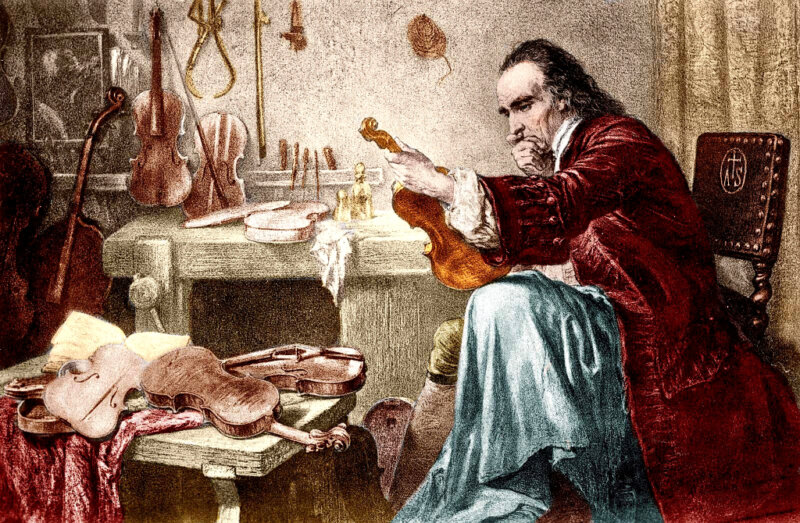
Antonio Stradivari è il liutaio più conosciuto al mondo, italiano, menzionato anche con il nominativo in lingua latina Antonius Stradivarius. È stato un costruttore di strumenti a corde di straordinaria fattura come violini, sin dall'inizio aveva modificato i modelli del suo maestro, intervenendo sulle bombature, la forma, le "f" e gli spessori. Probabilmente, fu proprio lui a compiere i primi studi sulla modifica dell'inclinazione del manico. Fino ad allora il manico era semplicemente appoggiato alle fasce e fissato con tre chiodi (metodo barocco), ma questi strumenti si potevano apprezzare solo in piccoli ambienti. Con l'avvento della musica moderna, che veniva eseguita nei teatri, fu deciso di dar maggiore tensione alle corde per avere più potenza di suono. Da qui la necessità di inclinare maggiormente il manico all'indietro e di eseguire l'"incastro", cioè incastrare e incollare all'interno dello zocchetto una parte del manico in modo che potesse resistere alla tensione creata. Fu poi necessario allungare la catena ed anche la tastiera in modo da poter accedere alle posizioni più alte e sostituendo quest'ultima con un legno più resistente: l'ebano. Era nato il violino moderno! Nacquero così i Grandi Stradivari, le sue migliori opere furono costruite tra il 1698 ed il 1725. Raggiunse l'apice tra il 1725 ed il 1730. Dopo il 1730 molti strumenti portano la scritta nell'etichetta "Sub disciplina Stradivarii", probabilmente perché costruiti dai suoi figli. Oltre a violini, viole e violoncelli, Stradivari creò anch arpe, chitarre, liuti e tiorbe; si stima in tutto oltre 1100 strumenti musicali.iole, violoncelli, chitarre, arpe; in quest'ambito è universalmente riconosciuto come uno dei migliori.

Alberto Angela è un giovane paleontologo, divulgatore scientifico, conduttore televisivo, giornalista e scrittore italiano, figlio di Piero Angela lo scienziato che per primo ha usato il mezzo televisivo per portare la Scienza nelle case di tutti con acuta intelligenza. Alberto, che è nato e cresciuto a Parigi, ha seguito le orme del padre. Specializzandosi in paleontologia, branca delle scienze naturali che studia gli esseri viventi vissuti nel passato geologico e i loro ambienti di vita sulla Terra. Anche lui si è dedicato, fin da giovane, alla divulgazione scientifica in televisione. Alberto Angela ci accompagna in un viaggio alla scoperta delle "Meraviglie" italiane, quelle che ci rendono una vera e propria "penisola dei tesori". Un itinerario fra arte e bellezze naturali nei siti riconosciuti dall'Unesco come patrimonio dell'umanità. Da parecchi anni attraverso il suo programma Ulisse con maestria, conoscenza scientifica e con l'uso d'immagini che dipingono quadri reali porta alle famiglie temi scientifici e artistici importanti e anche difficili. Alberto Angela is a young paleontologist, scientific popularizer, television host, journalist and Italian writer, son of Piero Angela, the scientist who was the first to use the television medium to bring science into everyone's homes with acute intelligence. Alberto, who was born and raised in Paris, followed in his father's footsteps. Specializing in paleontology, a branch of natural science that studies living beings who lived in the geological past and their living environments on Earth. From an early age, he too has dedicated himself to scientific dissemination on television. Alberto Angela takes us on a journey to discover the Italian "Wonders", the ones that make us a real "treasure peninsula". An itinerary between art and natural beauty in the sites recognized by Unesco as a world heritage site. For several years, through his program, Ulysses has brought important and even difficult scientific and artistic themes to families with mastery, scientific knowledge and the use of images that paint real pictures.
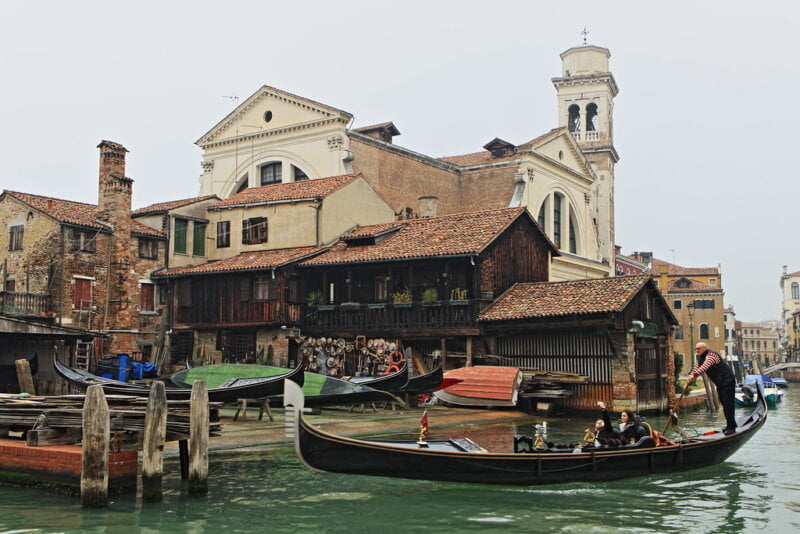
Lo squero di San Trovaso sorge lungo il rio omonimo e risale a prima del Seicento. Squero è il tipico cantiere veneziano dove si creano, costruiscono e riparano le imbarcazioni di dimensioni contenute come gondole, pupparini, sandoli, sciopòni e altre barche tipiche della tradizione lagunare veneziana. Il termine squero deriva dalla parola "squara" che indica una squadra di persone che cooperano per costruire le imbarcazioni. È uno dei pochissimi squeri ancora in funzione a Venezia. L'edificio che lo ospita ha la forma tipica delle case di montagna, circostanza eccezionale per Venezia. Il motivo è duplice: da una parte tanto i carpentieri quanto il legname da costruzione provenivano dal Cadore, dall'altra l'inclinazione del piazzale antestante e la tettoia che in parte lo ricopre erano utili in caso di pioggia, oltre che come deposito per gli strumenti di lavoro.
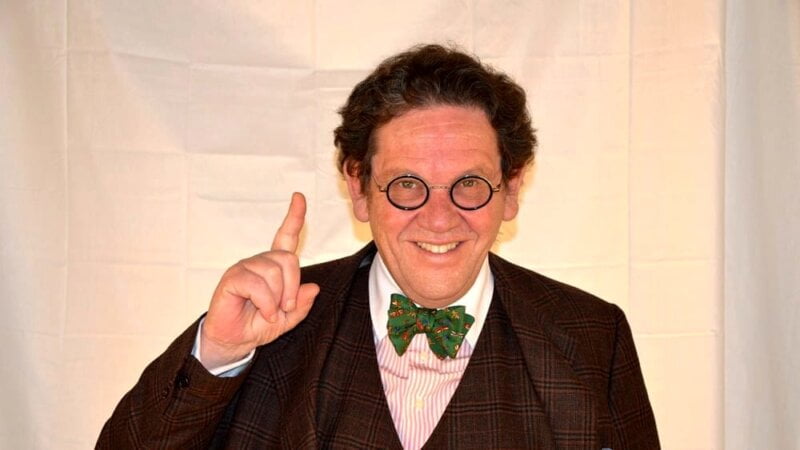
Daverio was born in Mulhouse, Alsace in 1949 from an Italian father, and an Alsatian mother. He is the fourth of six children. Daverio attended the European School in Varese, and then studied economics and commerce at the Bocconi University in Milan Despite completing his cycle of studies, Daverio refrained from writing his final dissertation. As he said, "I was enrolled at Bocconi in 1968–1969, but I don't hold a degree. In those years you would go to university to learn, not to graduate". In 1975 he opened Galleria Philippe Daverio in Via Monte Napoleone in Milan, where he mostly focused on the avant-garde movements of the first half of the 20th century. In 1986, he opened the Philippe Daverio Gallery in New York City. In 1989 he opened a second gallery of contemporary art in Milan, Italy. The gallery eventually went bankrupt and closed in 1997. As a gallerist and publisher, Daverio has organized many exhibitions, including Andy Warhol's Last Supper in Milan. Through his program Passepartout, he explains any kind of art in such a marvelous and down to earth way but cultural deep, that one enjoys to understand everything and get into the subject.

Dante Alighieri è stato un poeta, scrittore e politico italiano, considerato il padre della lingua italiana; la sua fama è dovuta eminentemente alla paternità della Comedìa, divenuta celebre come Divina Commedia e universalmente considerata la più grande opera scritta in lingua italiana e uno dei maggiori capolavori della letteratura mondiale. Espressione della cultura medievale, filtrata attraverso la lirica del Dolce stil novo, la Commedia è anche veicolo allegorico della salvezza umana, che si concreta nel toccare i drammi dei dannati, le pene purgatoriali e le glorie celesti, permettendo a Dante di offrire al lettore uno spaccato di morale ed etica. Importante linguista, teorico politico e filosofo, Dante spaziò all'interno dello scibile umano, segnando profondamente la letteratura italiana dei secoli successivi e la stessa cultura occidentale, tanto da essere soprannominato il "Sommo Poeta" o, per antonomasia, il "Poeta". Dante, le cui spoglie si trovano presso la tomba a Ravenna costruita nel 1780 da Camillo Morigia, è diventato uno dei simboli dell'Italia nel mondo, grazie al nome del principale ente della diffusione della lingua italiana, la Società Dante Alighieri, mentre gli studi critici e filologici sono mantenuti vivi dalla Società dantesca. A partire dal XX secolo e nei primi anni del XXI, Dante è entrato a far parte della cultura di massa, mentre la sua opera e la sua figura hanno ispirato il mondo dei fumetti, dei manga, dei videogiochi e della letteratura.

The National Museum of Science and Technology (once Technics) "Leonardo da Vinci" was created on 15th February 1953. Today it is a Private law Foundation, whose institutional associates are Ministries, Public Bodies and Milan’s Universities. Next to its Chairmanship and Administration, the Museum is operationally developed by the Directorate-General. The Museum’s employees and collaborators design, develop and directly deliver day-to-day activities and extensive projects. Alongside with these internal resources there are also institutions, firms, professionals, researchers and experts, volunteers that complete the network through which the Museum achieves its mission. The Museum has achieved major significance today in important areas: an international level of excellence in the protection, conservation, and enhancement of technical-scientific collections and in museological and museographic renewal; the undisputed national leader, and one of Europe’s major leaders, in museum education for STEM fields (Science, Technology, Engineering, Mathematics) through methodological research and a very broad, high-quality offer of education and training; a major contributor in the building of collaborative projects and active dialogue with the world’s principal museums, with research institutions of Italy and abroad, and with the Italian business system; a world reference for the interpretation and the narration of the work of Leonardo da Vinci, the engineer. The Museum's macro-objectives are: rediscovery of the result of its dedication to Leonardo da Vinci as a symbol of the union of humanistic and scientific cultures, and as a starting point for building a vision based on the meeting of branches of knowledge and their interconnections; to transmit to present generations (by interpreting and enhancing accessibility) and to future generations (by protecting assets) one of the most relevant aspects of our identity, in a perspective including both the local and global, namely, the evolution of science, technology, and industrial production, as the underlying basis of contemporary society, through safeguarding and critical interpretation of material and immaterial testimonies of history; to actively involve citizens in the construction of a scientific citizenship; to raise awareness among stakeholders on important issues; to educate new generations in STEM fields (Science, Technology, Engineering, Mathematics) making use of innovative methodologies; to develop public engagement programs to foster a direct relationship between citizens and the scientific community.
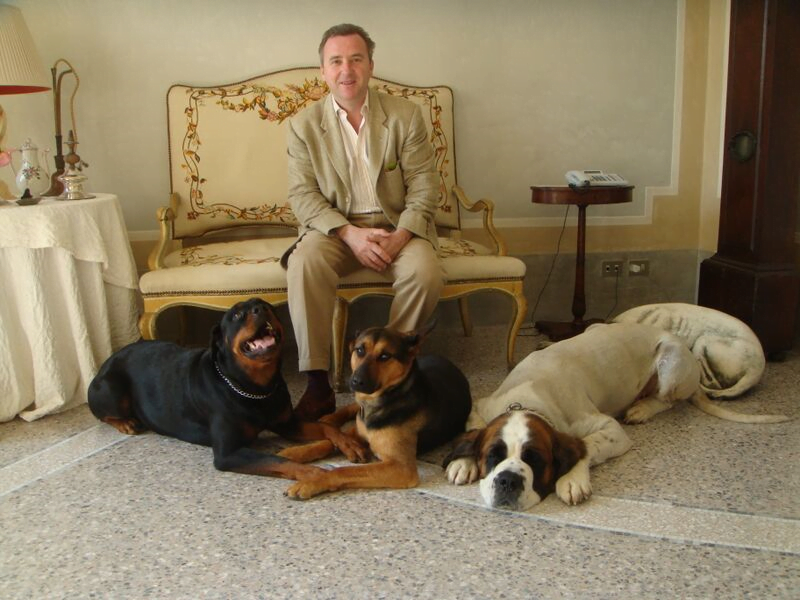
Federico Spinola ha più di 30 anni di esperienza nella supervisione d'investimenti attraverso l’Europa, l’America Latina e l’Asia. Dopo una carriera iniziata lavorando per la Martini & Rossi, nel 1986 si trasferì in Argentina per amministrare aziende agricole. Tornato a Ginevra nel 1993, fondò la Parly Company SA, una società di consulenza d'investimenti internazionali. Sua preoccupazione primaria è vedere la città di Genova mantenere un ruolo attivo nell’economia e nei valori sociali del nuovo secolo. Attivo in diverse organizzazioni non-profit internazionali, ha partecipato alla creazione dell’Alliance for Rabies Control, (lotta contro la rabbia). Ha costituito il Marwar Trust, una organizzazione dedita al controllo della popolazione canina e al controllo della rabbia nella città di Jodhpur, Rajasthan, India del Nord; è stato cofondatore del World Animal Forum (WAF), l’annuale riunione annuale dei Direttori Generali delle 8 più importanti associazioni di protezione di animali nel mondo. È stato membro dei consigli di associazioni musicali come il Mozarteum Argentino, il Mozarteum de Jujuy, la De Sono Associazione per la Musica, l’Unione Musicale di Torino e attualmente è nel consiglio Milano Musica.

Il Filatoio Rosso di Caraglio, il più antico setificio rimasto in Europa, tra i pochi in Italia a essere stato recuperato con finalità museali, diventa oggi un insostituibile testimone di questo recente passato (il secondo dopoguerra ne segnò definitivamente la fine) di cui non si è persa memoria. Edificato tra il 1676-'78 per volere di Giovanni Gerolamo Galleani, fu fabbrica di filati di seta fino alla metà degli anni '30 del '900 e convertito successivamente in caserma tra il '39 e il '43. Nei decenni che seguirono fu adibito a molteplici destinazioni d'uso, senza però che fossero affiancate opere di manutenzione. Il degrado era ormai tale da far temere che il suo destino fosse inesorabilmente segnato, tuttavia ci fu un'importante svolta: negli anni '90 il Consiglio d'Europa definì il Filatoio "il più insigne monumento storico-culturale di archeologia industriale in Piemonte". Prese progressivamente piede la consapevolezza che il Filatoio fosse un bene prezioso, pertanto andava preservato. Nacque nel 1999 un Comitato, oggi Fondazione, per la tutela e, nello stesso anno il Comune di Caraglio fu in condizione di acquisirlo. Con contributi europei e regionali fu restaurato e adibito a museo.

Loredana Chieffo is a beautiful woman, cosmopolitan, international, a lover of travel and the seas of the world. She began at the age of twenty as a model in the 80s in the Milan of Haute Couture, soon climbing the top of the most important fashion houses from Yves Saint Laurent to Armani, until she became one of the famous models of Victoria's Secrets. Her constant business travel introduces her to the international jet-set. Leaving the catwalks and thanks to her experience and insight, she becomes a professional contact for large families for the sale of luxury villas working for international real estate agencies, especially in the Grenadines. Loredana Chieffo is a great sportswoman, passionate about life and nature, she develops her passion for the sea through Kite-Surf. From her beloved Milan to her, she reaches the most beautiful beaches in the world as soon as possible with coaches and friends to always experiment with new equipment and new challenges of the winds. Her sensitivity and intuitiveness, make her capable of managing difficult and complicated situations among which, she knows how to move with grace and decision to always reach goals of good and peace. She is very appreciated in working environments both from man and woman.
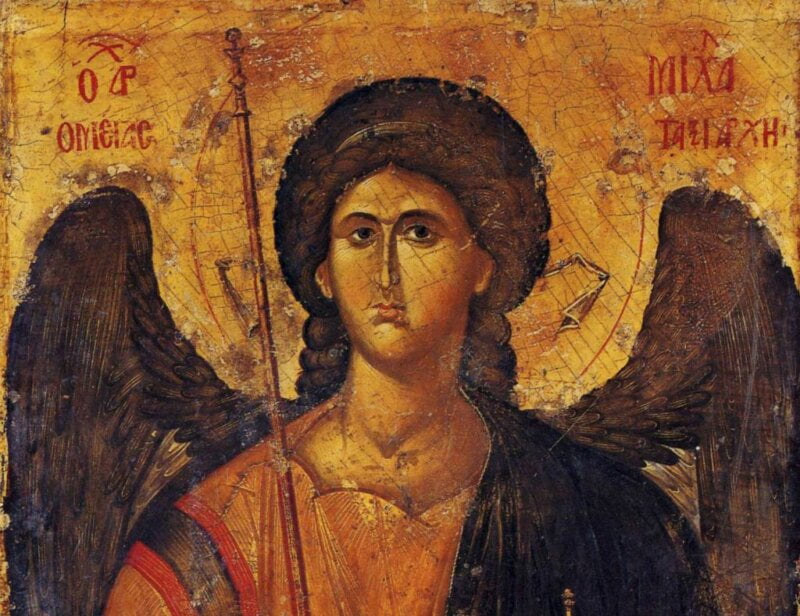
L’Ufficio diocesano per l’arte sacra e i beni culturali ha come principale finalità di coadiuvare in forma stabile l’Ordinario diocesano e gli enti ecclesiastici posti sotto la sua giurisdizione in tutto ciò che riguarda la conoscenza, la tutela e la valorizzazione, l’adeguamento liturgico e l’incremento dei beni culturali ecclesiastici e dell’arte sacra, offrendo la propria collaborazione anche agli Istituti di vita consacrata e alle Società di vita apostolica operanti sul territorio della diocesi. L’Ufficio, in particolare, mantiene i contatti e collabora con le Soprintendenze competenti per territorio nelle materie, nelle forme e secondo le procedure previste dalla Intesa firmata il 26 gennaio 2005 tra il Ministro per i Beni e le Attività Culturali ed il Presidente della Conferenza Episcopale Italiana relativa alla tutela dei beni culturali di interesse religioso appartenenti ad enti ed istituzioni ecclesiastichePotremmo dire che l’Ufficio è il braccio operativo del Vescovo nel servizio di tutela, conservazione e gestione del patrimonio artistico ecclesiale.Le competenze dell’Ufficio si estendono a tutte le materie e le iniziative nelle quali si esprime la conoscenza, la tutela, la valorizzazione, l’adeguamento liturgico e l’incremento dell’arte sacra e dei beni culturali ecclesiastici. Tali competenze riguardano anche gli archivi storici, le biblioteche, i musei e le collezioni esistenti nella diocesi.Per le questioni attinenti alla liturgia, all’edilizia di culto, alla catechesi, al turismo, ai problemi giuridici e ad altre eventuali che risultano connesse con la cura dell’arte sacra e dei beni culturali, l’Ufficio procede in collaborazione con i competenti Uffici e organismi di Curia

Alessandra Bruno, pittrice acquerellista e artista poliedrica, abita e lavora in Porta Venezia, nella zona Liberty di Milano. Quello di Alessandra Bruno è un cammino empatico fra arte e vita sul filo della trasparenza luminosa. Lungo questo equilibrismo appare un misterioso "Paesaggio sonoro", dove lo studio naturalistico di una partitura musicale restituisce emozioni di suono e colore. Luce, quindi, che oscilla fra le note, soffia nel vetro, annega nel mare, rinasce in un seme. La nota acquerellista, diplomata in Inghilterra all'Accademia di Belle Arti, dal 2003 collabora regolarmente con l'Istituto Europeo di Design di Milano come docente di colore per i corsi Modalab. Oltre ad aver esposto in Italia e in Francia, collabora a progetti di insegnamento pittorico e recupero interiore in italiano, inglese francese. Inoltre, realizza acquerelli su commissione per privati e enti pubblici. La sua attività, intrapresa e vissuta con la naturalezza e la serenità di chi sa che è quello che deve fare, è anche filosofia di vita. L’acquerello è appunto una tecnica che si offre sia ad una visione tradizionale, sia ad un utilizzo informale e modernissimo. Dunque strumento perfetto per la ricerca di Alessandra sulla luce che diventa materia. Per lo zen delle cose. Per la bellezza della bellezza. Alessandra Bruno, watercolor painter and multifaceted artist, lives and works in Porta Venezia, the Liberty area of Milan. Alessandra Bruno's is an empathic journey between art and life on the thread of luminous transparency. Along this balancing act a mysterious "Soundscape" appears, where the naturalistic study of a musical score returns emotions of sound and color. Light, therefore, which oscillates between the notes, blows into the glass, drowns in the sea, is reborn in a seed. The well-known watercolorist, graduated in England from the Academy of Fine Arts, has been collaborating regularly with the European Institute of Design in Milan since 2003 as a teacher of color for Modalab courses. In addition to having exhibited in Italy and France, she collaborates in painting teaching and interior recovery projects in Italian, English and French. In addition, she creates watercolors on commission for private and public bodies. Her activity, undertaken and lived with the naturalness and serenity of one who knows that is what he has to do, is also a philosophy of life. Watercolor is precisely a technique that offers itself both to a traditional vision and to an informal and very modern use. Therefore the perfect tool for Alessandra's research on light that becomes matter. For the zen of things. For the beauty of beauty.
Il Palazzo Ducale Sangiovanni è un edificio storico, ubicato nell'antica città di Alessano in provincia di Lecce. Viene erroneamente indicato come “Palazzo Gonzaga”, ma la sua costruzione risale alla fine del Quattrocento, al tempo in cui Alessano era sotto la signoria dei Del Balzo. Il Palazzo, dopo i Del Balzo, ha ospitato i De Capua, i Gonzaga, i Brayda, i Guarini, gli Ayerbo d’Aragona. Ultimo proprietario è stato Antonio Zunica, al quale era stato portato in dote dalla moglie Luisa Riario-Sforza, nipote ex-uxore di Giuseppe Maria Ayerbo d’Aragona, ultimo feudatario di Alessano, morto di colera a Napoli nel 1837. Ai primi anni del 900, il Palazzo fù comprato da Carlo Sangiovanni, Enrico Sangiovanni ne è oggi il proprietario. Oggi il palazzo e' in perfette condizioni, molto ben tenuto dai proprietari, con un bellissimo giardino. Comod come logistica in centro al paese ma nel silenzio del suo giardino protetto dalle mura, si presta alla perfetta organizzazione di ogni evento speciale e ad una ospitalità lussuosa e rilassante.
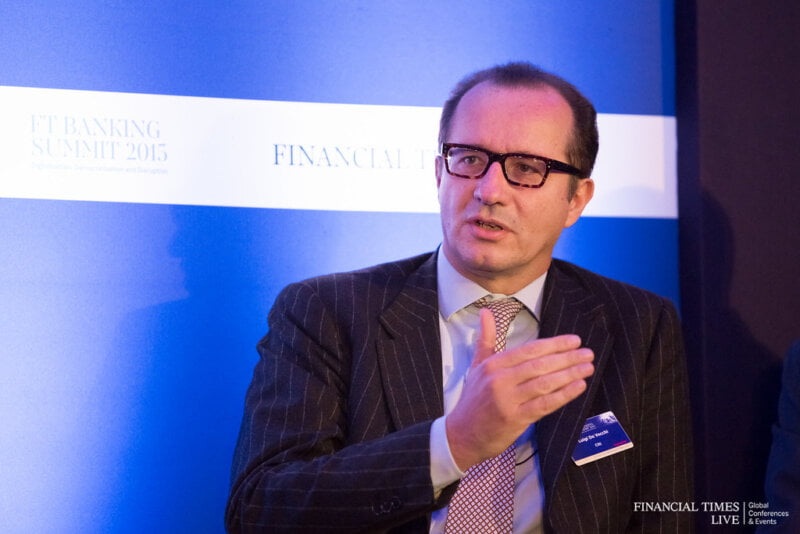
Luigi de Vecchi is currently the Chairman of Continental Europe for Corporate and Investment Banking in Citi. He has been a Managing Director of Credit Suisse since 2004. Prior to joining Citi, he was Co- Head of Global Investment Banking at Credit Suisse and a Managing Director at Goldman Sachs and Kleinwort Benson. Professor of Finance and member of the Advisory Board of the LUISS University in Rome and Board Member of Calarts in LA. He is also a member of the Board of Director of Save the Children Italy. Luigi is a mentor and gives his wide experience also in helping Associations that have a social impact. He is the father of three and a enjoys nature, friends company and sailing.

The Piera, Pietro and Giovanni Ferrero Foundation was set up in 1983 as the “Ferrero Social Initiative”; since 1991, it has been recognised by the Ministry of the Interior as a Foundation and falls into the category of socially useful non-profit organisations (ONLUS). Presided over by Maria Franca Ferrero, the Foundation embodies the idea of Pietro's son Cavaliere del Lavoro Michele Ferrero who, in 1946, worked together with his brother Giovanni to found the confectionery company that has become a multinational corporation. The “family” style of the Ferrero company is still a fundamental characteristic easily seen in its production operations. This approach includes a sense of social responsibility at both a global level and in individual employment relations, despite the considerable size that the company has reached. From the very beginning, this sense of "family" has been a widespread sentiment amongst the workers who, with their dedication and in a climate of mutual trust, have contributed to the success of the Ferrero brand. In over sixty years, several generations of people have worked for Ferrero, which can boast experience of long-term employment like few other companies. Alongside Michele Ferrero were people who contributed towards the growth of the company, generously giving material and intellectual resources and demonstrating a support and a team spirit that went well beyond formal working relationships. Michele was keen to ensure these people that when they reached pension age, they would have the opportunity to remain active, valuable and astute regarding their own lives and those of others, in an environmental and emotional framework of security and solidarity. In 1972, the Ferrero family handed out the first company long-service awards to all employees who had worked for the company for 25 consecutive years - the first 25 years of the Ferrero story. They were the first “Ferrero Seniors”, a community of individuals who now find their most useful, gratifying and fulfilling purpose in the Piera, Pietro and Giovanni Ferrero Foundation. The idea of the Foundation and the sense of its work can be found in its motto, Work Create Donate, which is also featured on the Foundation's logo. The three verbs identify three facets of individuals who are fully integrated in social life: people who work with dignity, talent and responsibility to build new situations, not as ends in themselves, but aiming to increase the overall well-being of the community. This responsible participation in communal life can be achieved through willingly and freely gifting skills, experience, time and projects. The Foundation itself is a gift through which the Ferrero Family has given shape to the respect and gratitude it holds for those who have contributed to the growth of the company and shared its values. The Foundation does not validate the past alone:it is also a moral investment in the future of individuals, based on the conviction that they need to remain active and creative in unprecedented and gratifying ways, even at an advanced age. It belies an image of withdrawal and marginalisation associated with old age that still prevails in industrialised societies today. The gift of the Foundation extends outside the Ferrero Seniors Community through its cultural efforts that run parallel and complementary to its social project.

We have to return to the ‘40s to discover the roots of this success. These were the years when Piera and Pietro, Michele’s parents, transformed a pastry shop into a factory. The Ferrero’ Family was the first Italian manufacturer after World War II to open production sites and offices abroad in the confectionary sector, turning the Company into a truly international Group. These first and decisive steps forward were thanks to the products “invented” by Pietro Ferrero and his son Michele, who was then very young. The product was Nutella made of chocolate and hazelnuts, invented because of the lack of chocolate during the war. Another key to success was the effective sales network organized by Giovanni, Pietro’s brother, who died in 1949. Following the success of the company in Italy, Michele Ferrero decided to start producing also abroad. In 1956 a large plant in Germany was inaugurated and a short time later a plant in France. It was the prelude to a rapid expansion of Ferrero in Europe, with the establishment of commercial offices and production centers all over the world.
.
.