
.
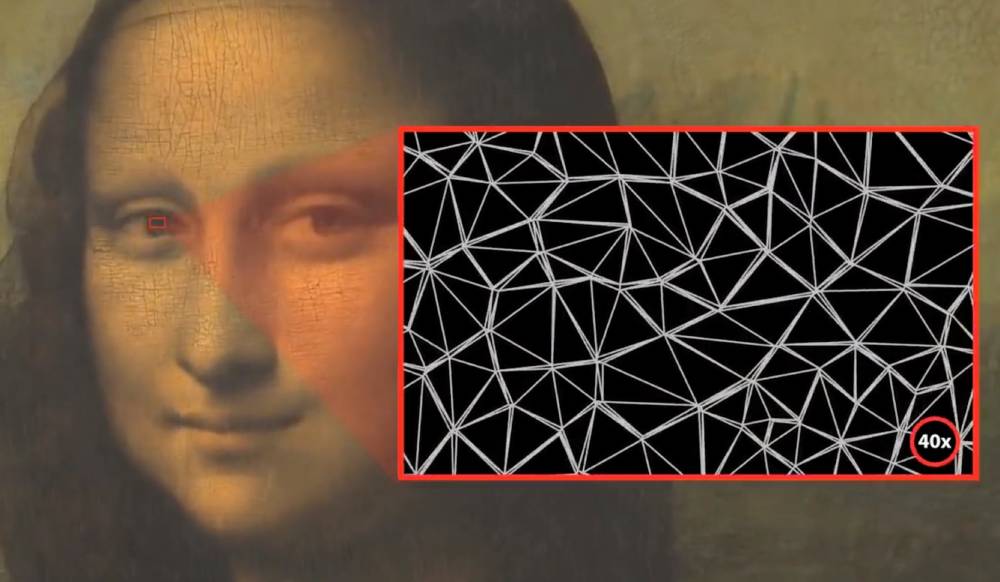
Arius Technology is a global leader in 3D digitization of artistic heritage. Its mission is to preserve the integrity of masterpieces through ultra-high-resolution laser scanning technology that not only photographs the work, but also three-dimensionally maps every single brushstroke, relief, and color nuance. This process generates the Art Digital Master File (ADMF™), a digital fingerprint that acts as the painting's "DNA." Using this data, Arius collaborates with museums and foundations for conservation, scientific analysis, and the creation of incredibly faithful material reproductions under the Verus Art brand. Their prints, called Elegraph™, allow collectors to own limited editions that replicate the tactile texture of the original. With a presence spanning Canada, the United States, and Italy, Arius serves as a bridge between traditional art and the new frontiers of digital collecting and museum preservation.
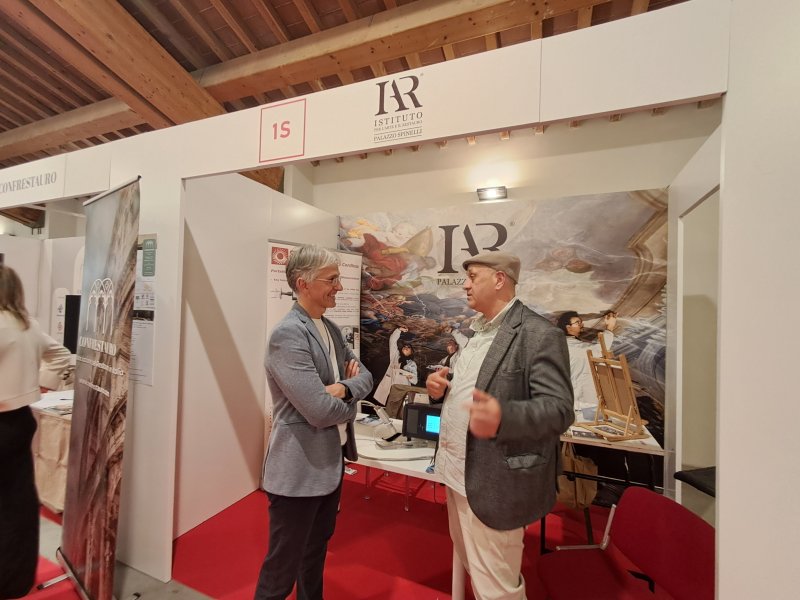
Nadir offers innovative solutions for the improvement of your materials. At the surface we find solutions for the chemical modification of your materials through the use of our cold atmospheric pressure plasma. In the bulk we improve your polymers by adding active functionalities through melt-compounding technologies.
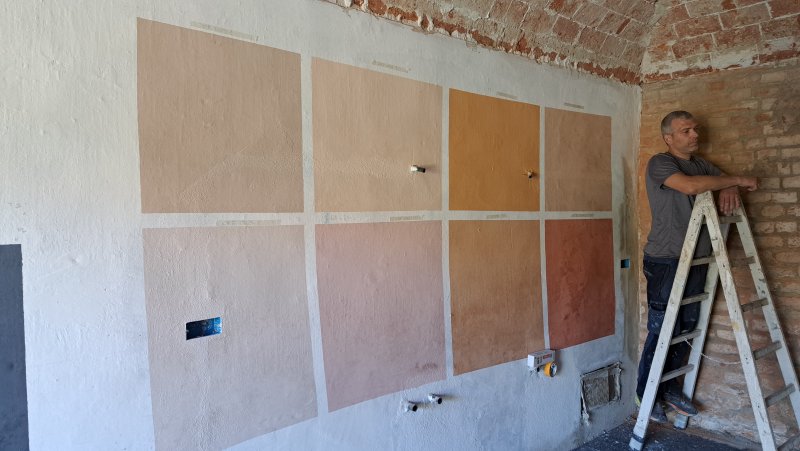
Bruno Cerri è un interprete moderno di tradizioni millenarie, specializzato in resine naturali, cocciopesto e finiture in calce. La sua maestria risiede nel trasformare le superfici in esperienze tattili uniche, rispettando l’ambiente e il benessere degli spazi. Lontano dalle resine sintetiche, Cerri utilizza miscele naturali che permettono alle pareti di traspirare. L'uso del cocciopesto, antica tecnica romana, conferisce alle superfici resistenza e calore cromatico. Eccelle nella progettazione di ambienti bagno e aree wellness, creando superfici continue e prive di fughe, dove l'impermeabilità incontra la morbidezza organica e proprietà antisettiche. La sua filosofia unisce sostenibilità e personalizzazione estrema. Ogni intervento è frutto di una ricerca meticolosa su grana e colore per integrarsi perfettamente con l’architettura. Per Cerri, la materia naturale non riveste semplicemente uno spazio: lo abita, rendendolo vivo attraverso la luce e il tatto.
**Florence Heri-Tech - The Future of Heritage Science** è un forum internazionale di eccellenza che si tiene a Firenze, nato per favorire il dialogo tra il mondo dei beni culturali e le tecnologie più avanzate. La manifestazione riunisce accademici, ricercatori, restauratori ed esperti del settore per condividere innovazioni nel campo della diagnostica, della conservazione e della valorizzazione del patrimonio artistico e architettonico. Promosso in collaborazione con l'Università di Firenze e Palazzo Spinelli, l'evento si concentra sull'applicazione di soluzioni ingegneristiche e ICT al restauro, trattando temi come la modellazione 3D, i nuovi materiali nanotecnologici e le tecniche di monitoraggio non invasivo. Heri-Tech non è solo un convegno scientifico, ma una piattaforma strategica per creare sinergie tra ricerca e impresa, consolidando il ruolo di Firenze come hub mondiale per l'innovazione tecnologica applicata alla memoria storica dell'umanità.

Cecilia Rosato, Art Director di Dynasty History, è una professionista d’eccellenza nell’arredo e nella scenografia tessile per Dimore Storiche. La sua arte trasforma i dettagli in emozioni, creando esperienze sensoriali uniche attraverso il recupero della memoria storica. L'azienda gestisce l'intera filiera, dal rilievo al montaggio, garantendo un controllo totale senza intermediari. Esperta in araldica, Cecilia analizza e restaura stemmi antichi interpretandone origini, figure e smalti. Dynasty History vanta la supervisione del Prof. Pier Felice degli Uberti per l'aggiornamento o la creazione di nuovi stemmi, personalizzando gli arredi tramite l'arte del ricamo. Cecilia cura inoltre l'ambientazione storica delle dimore con suggestivi *tableaux vivants*: i costumi storici, realizzati dal suo team, permettono di rivivere gli eventi e la grandezza del passato. Un connubio perfetto tra rigore scientifico e maestria scenografica per tutelare e valorizzare l'identità nobiliare.

Da quasi mille anni Murano custodisce i segreti del vetro, un sapere tramandato di generazione in generazione. Dal 1950 la Vetreria Ducale rappresenta l’eccellenza della produzione artistica muranese, unendo le intuizioni del Novecento alla creatività contemporanea. Nella sede storica, i migliori maestri plasmano a mano masse incandescenti per creare lampadari, specchi, sculture e servizi da tavola dai colori sorprendenti. Per onorare un passato glorioso, la Vetreria Ducale punta sull'innovazione produttiva e creativa, collaborando con i talenti dell'isola per tracciare un nuovo corso per Murano. Ogni opera è un connubio tra tradizione e design moderno, dove la preziosità della materia incontra geometrie eleganti e trasparenze uniche. È un mondo fatto di fatica, pazienza e rapidità di esecuzione, dove il talento guida il processo creativo. Venite a trovarci sull'isola di Murano per vivere un’esperienza unica, tra storia e bellezza.

Confrestauro è l’Associazione Italiana del Restauro che riunisce professionisti, imprese specializzate, restauratori e fornitori per promuovere l’eccellenza nella conservazione del patrimonio storico-artistico. L’obiettivo è rendere il settore un asset economico strategico, creando una rete sinergica tra enti pubblici, come Soprintendenze e ICE, e realtà private, fondazioni e proprietari di dimore storiche. L’associazione agisce per internazionalizzare il know-how italiano attraverso fiere e partnership estere, tutelando al contempo l’identità del paesaggio nazionale. Confrestauro seleziona rigorosamente i propri membri in base a comprovate esperienze nel restauro monumentale, garantendo un network di competenze integrate e di altissimo profilo. Grazie a programmi di formazione continua, gli associati affinano le proprie capacità tecniche e gestionali, confermandosi punto di riferimento essenziale per la tutela e la valorizzazione del patrimonio architettonico d’epoca italiano.

Dopo 45 anni di abbandono post-militare, il Lazzaretto Nuovo vive oggi una rinascita grazie all'impegno delle associazioni concessionarie. Dal 1987, Archeoclub Venezia garantisce tutela, scavi e attività ecomuseali, stimolando milioni di euro in investimenti. L'isola ospita dal 1997 il Deposito archeologico della Soprintendenza. L'Archeoclub Venezia, intitolato a Luigi Conton, opera dal 1985 per la valorizzazione del patrimonio lagunare "minore": dai pozzi alle fortificazioni. Attraverso campi archeologici internazionali e il trimestrale *ArcheoVenezia*, l'associazione coinvolge giovani e volontari. Dal 2013 vigila anche sul Lazzaretto Vecchio, completando il racconto storico della sanità veneziana. Iscritta al Registro del Volontariato, l'associazione collabora con musei e istituti come l'Archivio di Stato, dove i soci catalogano documenti della Serenissima. Le sue convenzioni offrono tirocini formativi per studenti, avviandoli alle professioni del restauro e dell'archeologia.

Amuse nasce nel 2015 come galleria d'arte e design. Nel tempo, il progetto si è evoluto, ampliando costantemente la propria ricerca verso espressioni creative diverse. L'identità di questo luogo unico si forma e si trasforma attraverso un viaggio continuo, teso verso il raggiungimento di un equilibrio armonico tra forme e linguaggi differenti.

Il **Museo del Volo** è l’affascinante fly-in che trasforma il cielo di Ceresara (Mantova) in un museo volante. L'evento celebra la passione di **Luciano Sorlini** (1925-2015), pioniere del volo civile e restauratore di velivoli storici. Oggi la figlia Silvia e il marito Giovanni Marchi mantengono operativa questa preziosa collezione, tra cui spiccano rarità come il Macchi MB308, il Saab Safir 91C e il Beechcraft Bonanza. Dopo anni di impegno, l’hangar del **Museo Volante** è finalmente realtà. Il 2 giugno 2022 l'inaugurazione è stata celebrata con il volo in formazione di tre **Fiat G46**, evento che non accadeva da 70 anni. Sotto l'egida del Comune di Ceresara e del Museo MarteS, l'iniziativa offre al pubblico la possibilità di vedere aerei storici e warbird in azione. Piloti e proprietari guidano visite che svelano segreti e aneddoti di queste macchine straordinarie, testimoni di un'eredità tecnica e umana che continua a volare tra passato e futuro.

Cremona apre le porte al mondo con il progetto "Friends of Stradivari" della Fondazione Stradivari. Questa rete internazionale unisce chi possiede, suona o studia gli strumenti della tradizione liutaria cremonese, creando una comunità virtuale che promuove l’eccellenza culturale della città. Partecipanti da tutto il mondo, inclusi eredi di collezionisti come Sau Wing Lam e istituzioni quali la Royal Academy of Music di Londra, condividono idee e supportano lo sviluppo del settore. Il cuore dell'iniziativa è il progetto di "ospitalità" presso il nuovo Museo del Violino. I proprietari di capolavori storici, spesso inaccessibili, possono esporli con massime garanzie di sicurezza e professionalità. Questi strumenti vengono così ammirati e studiati da esperti e visitatori globali, rafforzando il ruolo centrale di Cremona. Condividere un'opera d’arte diventa una scelta etica che rinnova il museo nel tempo, celebrando il legame eterno tra i grandi Maestri e la contemporaneità.

Flea Market Insiders is run by vintage & antique enthusiasts who enjoy discovering the world’s best flea markets and antique shops. Their mission is to help their readers find flea markets that are actually worth their time, where they can find true gems, instead of mass-produced fake items. What was started as a passion project by Nicolas Martin in 2010, has quickly become an acclaimed online reference for vintage and antique shopping. Flea Market Insiders blog helps travellers to discover the best flea markets all around the world, provides shopping tips and inspiring home decor ideas. In 2017, they also launched Fleamapket, an interactive, web-based app, featuring reviews of the world’s 300 best flea markets. They are particularly proud of Fleamapket’s flea market calendar, which we created for our premium subscribers. Nicolas, born and raised in France, is an expert on French flea markets and antiques. He loves to decorate his home with unusual vintage objects. His wife disagrees, but he is convinced that one can never own too many antique and vintage chairs, right? Although Paris is still his go-to place to find antique treasures, Nicolas is now based in Vienna, Austria, where he runs Flea Market Insiders. The initial idea behind launching fleamarketinsiders.com was to show the world that it is not always necessary to spend a fortune on new items when you can find amazing things at flea markets that might otherwise get disposed of. They like to think that Flea Market Insiders helps its readers to live a more sustainable lifestyle, where old objects get repurposed & upcycled instead of thrown away. Naturally, they have plenty of flea market shopping tips to share, but the most important advice we have, is this: “Remember, that the most valuable items are not those that you think will be valuable for resale. The really priceless things are the objects you personally love”. Of course, there are hundreds of haggling tips and advice such as “arrive before sunrise”, but the truth is that it actually takes not that much to become a successful treasure hunter. All you need is good spirits, a minimum dose of fantasy, charm and a little bit of perseverance. Your eyes will sharpen over time, and before you realize it, your home will be full of fabulous finds.

IJ-Hallen is a large indoor market located in Amsterdam, Netherlands. It is known for its vast selection of vintage and second-hand goods, ranging from clothing and accessories to furniture and home decor. The market is housed in a former shipyard and is one of the largest indoor markets in Europe, with hundreds of stalls and vendors selling a wide range of goods. The atmosphere is lively and bustling, with plenty of bargains to be found if you're willing to dig. The prices are reasonable, and there is a mix of both high-end and budget-friendly items. Overall, IJ-Hallen is a must-visit for those interested in vintage shopping and a unique market experience.

Nuestro almacén de distribución de cervezas artesanas e hidromiel comparte espacio con nuestra tienda, física y online, de productos artesanos: Zona de Catas. En nuestra tienda tenemos una gran variedad cervezas artesanas e hidromiel, nuestros productos estrella. Y además disponemos de toda clase de productos también de elaboración artesanal hecho en España: Vinos, licores, aceites, mermeladas, mieles, chocolates, turrones, patés, etc. Todo producto de alta calidad que ofrecemos a nuestros clientes para su disfrute y con el que contribuimos a la difusión del consumo de productos artesanos, elaborados tradicionalmente, de una forma más natural y hechos con más cariño, por eso están tan buenos. De ello damos fe por lo que nos cuentan nuestros clientes y porque ¡los hemos probado todos! Con todos nuestros productos podemos elaborar cajas y cestas de regalo para cumpleaños, aniversarios o para regalar a alguien especial. Podemos hacerlos con una selección de cervezas artesanas, o mezclando varios de nuestros productos. A tu gusto, tú decides como la quieres y nosotros te la hacemos. También te podemos preparar los detalles para regalar en presentaciones, comuniones, bodas, etc. Elige uno o varios de nuestros productos y te los preparamos especialmente para que tengas un detalle original con tus invitados. Además, en Zona de Cata organizamos catas de cerveza o vino. Las catas son una experiencia en la que puedes degustar varios tipos de cervezas o vinos acompañados de alimentos que los complementan. Es una experiencia diseñada para aprender sobre el origen, la historia, cómo se sirve, y otros datos interesantes al mismo tiempo que pasas un rato divertido.

Sabor a España is a brand of traditional high quality Spanish products. They are master nougat, as well as brittle and dried fruit derivate makers, who try to bring the tradition of Spanish products back to a public that had forgotten about it. Hard work and honesty are values of their family-run business. All their products have one thing in common - they are sold in towns and cities to remind their people that Spain's food tradition is much healthier, more nutritious and tastier than ready-made food. They are currently expanding their trade and have 23 fully operational stores. Sabor a España moved to the town center of the most emblematic Spanish towns and looked for the best spots in each one of them to offer their most typical products. Sabor a España es una marca de productos tradicionales españoles de máxima calidad cuya especialidad son los turrones, guirlaches y derivados de los frutos secos. En Sabor a España intentan llevar la tradición de los productos españoles a un público que lo tenía ya olvidado. Sabor a España es una empresa trabajadora, familiar, honesta y sencilla. Todos sus productos tienen un punto en común y es que vienen a las ciudades a recordar a sus vecinos que la tradición culinaria de España es mucho más sana, completa y apetitosa que la comida prefabricada. Actualmente se encuentran en plena expansión, contando en este momento con más de 23 tiendas por toda España en pleno funcionamiento. Sabor a España se trasladaal centro de las ciudades más míticas del país y buscan los mejores rincones de cada una de ellas para ofrecer este producto tan típico de la región.

Studio ADP21 is an interior decoration studio with twenty years of experience in Rome, on national territory and abroad. We create unique and personalized artistic works on a wide range, from modern to classic and from simple patinas to more complex decorative works, designed in close connection with the environment in which they are located. We collaborate with architectural firms and private individuals. We intervene in private homes, commercial activities and public structures. Types of interventions: 1) Modern and classic artistic walls, 2) Custom-made artistic panels, 3) artistic paintings, 4) decorative resins on floors, walls and furnishing elements, 5) wall decor in resin, 6) fake frescoes for private individuals and not (hotels, restaurants, shopping centres, etc). Studio ADP21 è uno studio di decorazione d'interni con esperienza ventennale a Roma, su territorio nazionale e all'estero. Realizziamo opere artistiche uniche e personalizzate su vasta gamma, dal moderno al classico e da semplici patine a opere decorative più complesse, progettate in stretto legame con l'ambiente in cui si collocano. Collaboriamo con studi di architettura e privati. Interveniamo in abitazioni private, attività commerciali e strutture pubbliche. tipologia di interventi: 1) Pareti artistiche moderne e classiche, 2) Pannelli artistici su misura, 3) Quadri artistici, 4) Resine decorative su pavimenti, pareti ed elementi di arredo, 5) walldecor in resina, 6) finti affreschi per privati e non (alberghi, ristoranti, centri commerciali, etc).

Australian National Maritime Museum is the Australia’s museum of the sea. A place to explore our relationship to the oceans, rivers and lakes around us and to dive deeper into the rich maritime heritage that binds us all. As an island nation, we have always been fascinated by the waters that surround us. The ocean, and its ever-shifting tides, have been central to our stories throughout time, shaping the Australian identity. By sharing these stories, we want to spark curiosity and conversations about how the sea shaped our world and continues to transform us today. Our purpose is to excite people about their connection to the sea, so they value it more. Australia’s maritime history abounds with people who lived, worked, and explored our waters. The maritime museum brings a modern perspective to these narratives, exploring topics of migration, commerce, archaeology, ocean science and culture and lifestyle. We are proud to honour the stories from autonomous Indigenous voices and represent the innumerable Aboriginal and Torres Strait Islander living cultural connections to ancestral waters. As the national centre for maritime collections, exhibitions, experiences and knowledge, we are custodians of historic vessels and a cultural hub for Australian maritime heritage and contemporary stories of the sea. These stories come to life for visitors at our Sydney Harbour site and connect with national and global audiences in immersive and innovative ways, including online experiences to explore from anywhere.

The Art Gallery of South Australia (AGSA) forms part of a boulevard of historic cultural institutions that line North Terrace, Adelaide. It stands on the lands of the Kaurna people, in a traditional camping and meeting area known as Tarntanya (‘red kangaroo place’). The Gallery was established in 1881, originally occupying two rooms in the city’s nineteenth-century library/museum complex, then later part of the Jubilee Exhibition Building (now demolished). We moved to our current site in 1900, when a dedicated building was constructed to house the growing collection after pastoralist Sir Thomas Elder bequeathed an immense £25,000 for acquisitions. That original stone building is today AGSA’s stately Elder Wing of Australian Art. Many other benefactors have shaped the collection and building. In 1916, for example, a bequest of works from Sir Samuel Way dramatically expanded our Asian decorative arts collection. In 1935, a gift of £10,000 from Alexander Melrose helped to fund building works, creating the Melrose Wing and the neoclassical façade that visitors see today. Additions in 1962, 1979 and 1996 increased display space for a collection that now numbers more than 45,000 works of art – almost 90 per cent acquired through benefaction. From an early emphasis on works by European and Australian male artists, over time the Gallery has developed an outstanding collection of Asian art, extensive representation of Australia’s remarkable women modern artists, a rich collection of Islamic art, and international holdings of major significance. The latter includes the largest collection of Morris & Co. decorative art outside Britain, the finest body of Auguste Rodin sculptures in the Southern Hemisphere (acquired in 1996), and a rare ‘topographic’ sculpture by American Donald Judd created in 1974 in response to the terrain of our north lawn – literally a landmark piece. In 1939, we became the first state gallery to acquire a work by an Aboriginal artist, then from the mid-1950s we carefully began to develop a significant collection of art by the nation’s First Peoples. Since 2015 we have hosted the unique Tarnanthi festival of contemporary Aboriginal and Torres Strait Islander art. AGSA has also long fostered contemporary art. Since 1990 we have staged the Adelaide Biennial of Australian Art, the longest-running survey of Australian contemporary art, and since 2017 the Ramsay Art Prize, Australia’s most generous prize for young contemporary artists. In 2018 the art prize’s benefactors, James Stewart Ramsay and Diana May Ramsay, jointly bequeathed one of the nation’s most generous cultural gifts – the $38 million James and Diana Ramsay Fund – to strategically develop the Gallery’s collection. Our history has made us who we are today – and who we might become.

The Australian Museum is Australia’s first museum, and have over 21 million scientific specimens and cultural objects in our collections. Learn more from First Nations people, discover thousands of animal factsheets and explore our online education resources. More than a leading Sydney attraction, the Australian Museum is a hub of information, resources and research. To be a leading voice for the richness of life, the Earth and culture in Australia and the Pacific. We commit to transform the conversation around climate change, the environment and wildlife conservation; be a strong advocate for First Nations’ culture; and continue to develop world-leading science, collections, exhibitions and education programs. The Australian Museum is a dynamic source of reliable scientific information and a touchstone for informed debate about some of the most pressing environmental and social challenges facing our region: the loss of biodiversity, a changing climate and the search for cultural identity. Underpinning our research is an irreplaceable collection of international standing: over 22 million objects representing a timeline of the environmental and cultural histories of the Australian and Pacific regions. Our collection holds many objects from Indigenous Australia and the Pacific, a record of human diversity and a living wellspring for regional cultural diversity. It contains irreplaceable fossils, minerals, meteorites and gemstones that provide a geological perspective of the planet. It houses representative specimens of native Australian mammals, birds, reptiles, fish and countless invertebrates that tell many stories about our unique wildlife.

The National Museum of Australia brings to life the rich and diverse stories of Australia through compelling objects, ideas and events. We focus on Indigenous histories and cultures, European settlement and our interaction with the environment. The National Museum of Australia is a publicly funded institution governed as a statutory authority in the Commonwealth Arts portfolio. Established in 1980, it is headed by a Director appointed by the Governor-General. The Council is responsible for the conduct and control of the affairs of the Museum. The Museum building on Acton Peninsula opened on 11 March 2001. Although it is one of Australia’s newest cultural institutions, the National Museum of Australia was almost 100 years in the making. Over the course of the 20th century, proposals for a national museum were intermittent, interrupted by wars and financial crises and stifled by government inaction. A national inquiry in 1975 (the ‘Pigott Report’) finally resulted in the creation of the Museum in 1980 with the passing of the National Museum of Australia Act. Collecting officially began with significant collections inherited from Australian Government collections, including the Australian Institute of Anatomy. A location was identified at Yarramundi Reach, Canberra. In December 1996 the building of the Museum was announced as the key Centenary of Federation project, and Acton Peninsula was chosen as the site, with funding confirmed in 1997. The National Museum of Australia opened on 11 March 2001. It is home to the National Historical Collection and is one of the nation’s major cultural institutions.

Tasmanian Museum and Art Gallery (TMAG) is Tasmania's leading natural and cultural heritage organisation. It is a combined museum, art gallery and herbarium which safeguards the physical evidence of Tasmania's natural and cultural heritage, and the cultural identity of Tasmanians. TMAG is Australia's second-oldest museum and has its origins in the collections of Australia's oldest scientific society, the Royal Society of Tasmania, established in 1843. The first permanent home of the museum opened on the corner of Argyle and Macquarie streets in 1863 and the museum has gradually expanded from this corner to occupy the entire city block. The TMAG precinct is one of Australia's most historically significant sites. Included in the precinct is Tasmania's oldest surviving public building, the 1808-10 Commissariat Store; the Private Secretary's Cottage, built prior to 1815 and originally adjacent to old Government House; and Tasmania's first federal building, the 1902 Custom House. At TMAG we care for the State Collections of Tasmania: almost 800,000 objects as diverse as fossils and fine art. Our collections represent the essence of our society's values and are a major reference point for Tasmanians to gain a greater appreciation of what it means to be Tasmanian and to understand our place within the global community.

The Museum and Art Gallery of the Northern Territory (MAGNT) is the Northern Territory’s premier cultural organisation. Our principal facility since 1981 is on Larrakia Land at Bullocky Point in Darwin, home to internationally renowned cultural and scientific collections and research and exhibition programs. MAGNT also operates the historic Fannie Bay Gaol in Darwin, the Museum of Central Australia incorporating the Strehlow Research Centre in Alice Springs, Megafauna Central and the Alcoota Fossil Bed site north east of Alice Springs. MAGNT also manages the historic Lyons Cottage on Darwin’s Esplanade and the Defence of Darwin Experience at East Point in Darwin. MAGNT attracts over 300,000 visitors annually to our sites. Set in a scenic location overlooking Fannie Bay, MAGNT Darwin on Larrakia Country is home to internationally renowned artistic, cultural and scientific collections and research programs. Each year MAGNT presents a dynamic program of internally-developed exhibitions, carefully curated from the collection, and the best travelling exhibitions from around Australia. MAGNT Darwin is also home to the annual Telstra National Aboriginal and Torres Strait Islander Art Awards (NATSIAA) —the most significant celebration of its kind in Australia. MAGNT was founded in 1966, with the introduction of a Bill into the Legislative Council of the Northern Territory. Dr Colin Jack-Hinton was appointed the MAGNT's first director, taking up the position in 1970. It was first housed in the renovated old Town Hall (originally known as the Palmerston Town Hall) in Darwin’s central business district. But on that fateful evening, Christmas Eve 1974, Cyclone Tracy hit Darwin, destroying the old Town Hall and damaging much of the MAGNT collection. For the next few years both the staff and collection were housed in multiple buildings around Darwin, coming together for lunchtime lectures in the ruins of the Old Town Hall. After deliberation, approval was finally granted for the construction of a new purpose-built museum and art gallery at Bullocky Point, on the site of the old Vestey's Meatworks. It was opened on the 10 September 1981. Over the last few decades, MAGNT has grown to include six sites across Darwin and Alice Springs. MAGNT became an independent statutory body on 1 July 2014.

The Australian Age of Dinosaurs Museum of Natural History is a world-class organisation and home to the world's largest collection of Australia's largest dinosaur fossils. Australian Age of Dinosaurs was incorporated as a not-for-profit organisation in October 2002 and was based at Belmont, a sheep station owned by David and Judy Elliott. In 2006 a rugged mesa and wilderness area 24km south-west of Winton known as "The Jump-Up" was donated by the Britton Family and the Museum relocated there in 2009. Today the Museum houses the world’s largest collection of Australian dinosaur fossils and comprises a Fossil Preparation Laboratory, Reception Centre and the March of the Titanosaurs exhibition at Dinosaur Canyon. Future plans include the construction of Australia’s premier natural history museum. The Museum is a non-profit organisation which draws support from across Australia. It all began with the discovery of a femur. In 1999 while mustering sheep on his property Belmont near Winton, David Elliott discovered the fossilised bone of what was, at the time, Australia’s largest dinosaur. This bone was later identified as part of a giant femur from a Cretaceous sauropod that roamed the Winton area 95 million years ago. Following the discovery of more fossils during digs held in conjunction with the Queensland Museum, David and his wife, Judy Elliott, called a public meeting in Winton on 17 August 2002 with a view to establishing a dinosaur museum at Winton. On 25 October 2002 Australian Age of Dinosaurs Incorporated (AAOD Inc) commenced operations as a not-for-profit organisation aimed at ensuring future dinosaur digs and the preparation and conservation of dinosaur fossils from the Winton Formation could continue. The organisation, with support from a strong members' volunteer base, began the initial stages of developing a major tourism attraction in the form of a dinosaur museum so that the discoveries could be preserved for perpetuity and be available to the public. While mustering sheep in March 2005 David Elliott discovered a new dinosaur site on Belmont and a subsequent dig in September that year uncovered the remains of one of Australia’s most complete sauropod skeletons. A total of 17 pallets of fossil bones trapped in a fine siltstone rock were recovered and stored in the Belmont shed. The dinosaur was nicknamed Wade, in posthumous honour of Australian Palaeontologist Dr Mary Wade who died at the time the dig was being undertaken. In late 2005 the discovery of a partial sauropod humerus on Elderslie Station, near Winton, led to a series of digs held by the Museum and the recovery of two dinosaur skeletons preserved together, one being a sauropod skeleton and the other a theropod. The sauropod was nicknamed Matilda and the theropod was nicknamed Banjo, both in honour of Andrew Barton "Banjo" Paterson and his classic poem "Waltzing Matilda".

Situated in the heart of Perth’s Cultural Centre, the Gallery houses the State Art Collection with works by renowned local and international artists from the 1800s to today. Immerse yourself in the Balancing Act gallery space displaying Aboriginal and Torres Strait Islander art. Take a free guided tour or find something unique in the AGWA Design Store to take home. The Gallery was founded in 1895 and occupies a precinct of three heritage buildings on the south-eastern corner of the Perth Cultural Centre including the former Perth Police Courts. The main Gallery opened in 1979 and is a unique modernist building inspired by the pavilions and courtyards of the Museum of Anthropology in Mexico City. In 2019, the Gallery celebrated its 40th anniversary and in 2020 the Gallery celebrated 125 years. The State Art Collection is Western Australia’s greatest visual art asset. Since the first work of art was purchased in 1895, the AGWA Collection has grown into the finest public art collection in Western Australia of more than 18,000 works. One of the Collection's key strengths is its holdings of works by Aboriginal and Torres Strait Islander artists and its representation of Western Australian art and artists. Twentieth-century Australian and British paintings and sculpture are also a particular strength. Each year, the Collection grows by 150-400 works, largely through the generous support of AGWA’s Foundation Members and private donations. The Art Gallery of Western Australia's Tom Malone Prize is a highly respected national event for contemporary Australian glass artists. The Tom Malone Prize was initiated in 2003 by Governor of the Art Gallery of Western Australia Foundation, Elizabeth Malone. The Prize continues in 2018-2022 through the support of Foundation Benefactor, Sheryl Grimwood. An acquisitive prize, each year’s winning entrant is awarded $15,000 while their work becomes a part of the WA State Art Collection where it will join works by previous winners: Clare Belfrage, Gabriella Bisetto, Charles Butcher, Cobi Cockburn, Brian Corr, Mel Douglas, Mark Eliott, Deirdre Feeney, Kevin Gordon, Marc Leib, Jessica Loughlin, Tom Moore, Nick Mount, Benjamin Sewell and Ayano Yoshizumi. The Tom Malone Prize is a highly respected national event within the Australian glass arts community and it has played an integral role in the Gallery's acquisition of works by Australia's most inspiring, innovative and accomplished artists in this medium.

Moorabbin Air Museum. Situated at Moorabbin Airport in the South Eastern suburbs of Melbourne, the Museum has one of the most significant collections of aircraft and engines in Australia. We provide public access to a number of aircraft on display, allowing visitors to interact and to experience life as a Military, Naval or Civilian pilot. Group tours can be arranged by appointment. Please contact the Museum for more information. Founded in 1962 and run by a dedicated group of volunteers and members, the Museum has expanded to have a collection of not just aircraft and engines, but models, uniforms and many other items associated with Australia's amazing aviation history. The collection includes a number of very rare and unique examples of Australian made aircraft, including the oldest surviving Commonwealth Aircraft Corporation (CAC) aircraft - Wirraway A20-10; a Victa AirTourer and a DAP Mk21 Beaufighter, one of only two Australian made variants left in the country and the only Beaufighter left in the world capable of ground running. The Museum also owns the oldest surviving DAP / Bristol Beaufort which is now part of an ongoing restoration project. The Museum also has a shop and kiosk facility where you can purchase drinks, snacks, and pick up a book, poster, model kit or complete aircraft model for your collection. Due to a lack of available display and restoration facilities, not all aircraft are under restoration or on display. The Australian Aircraft Restoration Group has kindly loaned a number of the aircraft in its collection to other museums, to ensure that they can be viewed by aircraft enthusiasts.
.
.

.