
The Perth Town Hall, situated on the corner of Hay and Barrack streets in Perth, Western Australia, is the only town hall built by convicts in Australia. Upon completion, it was the tallest structure in Perth. Designed by Richard Roach Jewell and James Manning in the Victorian Free Gothic style, the hall was built by convicts and free men between 1867 and 1870. Its decorations contain a number of convict motifs, including windows in the shape of the broad arrow, and decorations in the shape of a hangman's rope. The foundation stone for Perth Town Hall was laid on 24 May 1867 by Governor Hampton in a ceremony involving a lot of pomp and parade. However, there were torrential downpours. The ceremony went on anyway with an official procession from Government House and a mock battle performed by the Volunteer Regiments, Enrolled Forces of Pensioners, and the WA Country Regiment. In the 1929 centenary of Western Australia, one of the events in the city of Perth was the placing of a commemorative plaque in the northwest corner of the building by the Governor Sir William Campion. For many decades in the 20th century, shops were built into the sides of the ground floor, and the public lavatories accessible from Barrack Street were the only ones available for some distance. The shops included a pharmacy, bank, lunch bar and other shops. All these businesses and the attendant structures were removed prior to the renovation of the hall. At the time of its centenary in 1970, the ground floor was still full of commercial businesses. The Town Hall was restored in the late 1990s at the base in an award-winning restoration to repair the interior of the hall and the gothic arches at its base, which were "modernised" in the middle of the 20th century.

Fusing ancient and modernist influences, and built on a site sacred to the local Gadigal people for thousands of years, the sculptural elegance of the Sydney Opera House has made it one of the most recognisable buildings of the twentieth century, synonymous with inspiration and imagination. As Pritzker Prize judge Frank Gehry said when awarding architecture’s highest award to the Opera House’s architect in 2003: “[Jørn] Utzon made a building well ahead of its time, far ahead of available technology... a building that changed the image of an entire country.” Built to “help mould a better and more enlightened community,” in the words of New South Wales Premier Joseph Cahill in 1954, the Sydney Opera House has been home to many of the world’s greatest artists and performances, and a meeting place for matters of local and international significance since opening in 1973. Today it is Australia’s number one tourist destination, welcoming more than 8.2 million visitors a year and one of the world’s busiest performing arts centres, presenting more than 2000 shows 363 days a year for more than 1.5 million people, from the work of the seven flagship arts companies to which it is home to First Nations’ arts and culture, talks and ideas, theatre and dance and the superstars of classical and contemporary music. The breadth of those experiences reflects our visionary 1961 Act, which charges the Opera House not only with the promotion of artistic taste across all art forms, but also “scientific research into, and the encouragement of, new and improved forms of entertainment and methods of presentation.” But while the tale of the Opera House is one of breathtaking triumph, it is also one of personal cost. The building’s design was inspired - entirely unlike anything that had been seen before. Pressures piled upon its architect, Jørn Utzon, who left Australia midway through construction, never to return to see the building completed. Nevertheless, Utzon’s masterpiece would define his career, and redefine the image of Australia both to itself and the world. An exercise in nation building, as Joe Cahill underlined, it was an extraordinary collective act of dreaming in public; a work of art built for the performance of works of art and brought to life by people who believed in the power of imagination. Realising the dream took us all - visionaries and pragmatists, politicians and architects, engineers, artists and, most fundamentally, the people of Australia.

The Art Gallery of New South Wales acknowledges the traditional custodians of the country on which it is located, the Gadigal of the Eora nation, and recognises their continuing connection to land, waters and culture. From its magnificent site in Sydney, the Art Gallery of NSW is one of Australia’s flagship art museums and the state’s leading visual arts institution. Our mission is to serve the widest possible audience as a centre of excellence for the collection, preservation, documentation, interpretation and display of Australian and international art, and a forum of scholarship, art education and the exchange of ideas. The Art Gallery of New South Wales began without a collection and without a building on 24 April 1871 when a group of 30 art-loving citizens established a society to support artists and promote knowledge and enjoyment of art in the wider community. In 1874 they secured government support for their project and by 1880 they had their own dedicated building, the first of its kind in Australia. 150 years on from that foundation, after changes in name and location, the Art Gallery continues to play a vital role in the cultural life of the state and the nation. It is a cherished public art museum, not only by the artists and visitors who are at the core of its existence, but by all who have been enriched by the Gallery’s art collections, exhibitions and programs. Celebrating our 150th anniversary in 2021, as we undertake a significant expansion, the Art Gallery remains committed to making art a vital part of everyday life. Our transformation – the Sydney Modern Project – will create a new art museum experience across two buildings connected by a public art garden in one of the world’s most beautiful cultural precincts. The Art Gallery’s new building, designed by Pritzker Prize-winning architects, SANAA, brings together art, architecture and landscape in spectacular new ways with dynamic galleries and seamless connections between indoor and outdoor spaces. It will be a new prominent destination for Aboriginal and Torres Strait Islander art and culture. The expansion is scheduled for completion in 2022.

The National Gallery of Victoria, popularly known as the NGV, is an art museum in Melbourne, Victoria, Australia. Founded in 1861, it is Australia's oldest and most visited art museum. The NGV International building, designed by Sir Roy Grounds, opened in 1968, and was redeveloped by Mario Bellini before reopening in 2003. It houses the gallery's international art collection and is on the Victorian Heritage Register. The Ian Potter Centre: NGV Australia, designed by Lab Architecture Studio, opened in 2002 and houses the gallery's Australian art collection. The NGV's Australian art collection encompasses Indigenous (Australian Aboriginal) art and artefacts, Australian colonial art, Australian Impressionist art, 20th century, modern and contemporary art. The first curator of Australian Art was Brian Finemore, from 1960 until his death in 1975. The NGV's Asian art collection began in 1862, one year after the gallery's founding, when Frederick Dalgety donated two Chinese plates. The Asian collection has since grown to include significant works from across the continent.

The Old Melbourne Gaol is a former jail and current museum on Russell Street, in Melbourne, Victoria, Australia. It consists of a bluestone building and courtyard, and is located next to the old City Police Watch House and City Courts buildings, and opposite the Russell Street Police Headquarters. It was first constructed starting in 1839, and during its operation as a prison between 1845 and 1924, it held and executed some of Australia's most notorious criminals, including bushranger Ned Kelly and serial killer Frederick Bailey Deeming. In total, 133 people were executed by hanging. Though it was used briefly during World War II, it formally ceased operating as a prison in 1924; with parts of the jail being incorporated into the RMIT University, and the rest becoming a museum. The three-storey museum displays information and memorabilia of the prisoners and staff, including death masks of the executed criminals. At one time the museum displayed what was believed at the time to be Ned Kelly's skull, before it was stolen in 1978; as well as the pencil used by wrongly convicted Colin Campbell Ross to protest his innocence in writing, before being executed. When the Old Melbourne Gaol was built in the mid-1800s, it dominated the Melbourne skyline as a symbol of authority. Inside the Gaol, dangerous criminals were held alongside petty offenders, the homeless and the mentally ill. Old Melbourne Gaol enables visitors to immerse themselves in the stories of past inmates, explore the City Watch House or learn about justice in the Old Magistrates’ Court.

Carola Zambaldi è una viaggiatrice del mondo, appassionata da sempre di scoprire nuove culture e paesaggi naturali diversi. Ha sviluppato una tecnica con resine colorate molto resistenti con le quali crea oggetti vari in maniera del tutto scontata, mentre scontata non è. I colori sono brillanti e trasmettono la sua vivacità ed energia positiva.

I am 56 years old and love life ! and am engaged to a wonderful man and we have been together for 9 years. I have 1 son who lives in Houston, Texas with his lovely wife and my 2 beautiful grandchildren. I have 1 sister who is sadly disabled. She has Motor Neuron Disease and is paralysed from the neck down. She has had this debilitating illness since 1998. I care very deeply for her and continue to walk this hard, painful journey with her. I would love to one day open up a strung of Care Homes called Mandy in honour of her. Watching your disabled sister struggle every day has been heart breaking but through this I have learnt the art of caring, giving and kindness. To be able to help and be there for those less fortunate than you is a heartwarming experience and exceptionally rewarding. My passion is travelling – I absolutely LOVE IT ! My sport is Golf and because I have such an adventurous, extrovert personality I also love a lot of other things like Boating, Fishing, Cooking, Drinking wine and socialising. The list is so long because I am always willing to try new things and experience new places. I am an extrovert in personality and love bringing out the best in people. My profession at the moment is a Key accounts Manager for a Surgical Equipment company. I have been with them for 14 years. I have vast experience in Sales and Customer service and represent my company by calling on all Hospitals – Private and Provincial throughout the entire Eastern Cape. I work with doctor’s in theatre and am skilled in the sale of Medical Equipment for Trauma, Gynie, Urology, General Surgery, Cardiology, Neurology, Gastro-Enterology, Ultrasound etc. Prior to being a Surgical Rep I was a Medical Rep for 20 years calling on General Practioners, Pharmacists and Physicians selling Pharmaceutical Drugs. I also have experience in the setting up of Vaccine Clinics and GIT Units. My passion is service and looking after my customers. I love to make a difference in everything that I do and work hard. I love to make people smile ! I am a great organiser and get things done. I am very loyal in business and in my private life and am committed to whatever I sign up for. You will always be able to rely on me. I would say that I am a Spiritual person. I have a genuine passion for seeking out the truth of all things. and placing myself on a sacred path of self discovery. I learn every day and try to live my life with a curious, grateful heart. I believe we can all be kind if we want to be and we can all make a difference in someone’s life if we want to. I Want to make a difference in the world ! I know I can.

During the past 60 years, the Durban African Art Centre Association (African Art Centre) has provided a hundred of artists and crafters with opportunities for self-employment and the realization of their talents. Originally established as a programme of the South African Institute of Race Relations in 1959, the African Art Centre has, since 1984, operated as a non-profit organization. It was guided by the late Jo Thorpe, who virtually single-handed, put Durban on the map as an important centre of black artistic development. Since its inception, the African Art Centre has successfully facilitated and implemented relevant development and mentorship programmes and showcase opportunities for hundreds of artists and crafters from rural and urban KwaZulu-Natal. The Centre is recognized as one of the longest running South African organizations involved in the development and marketing of the works produced by disadvantaged artists and crafters. Through various marketing initiatives, every attempt is made to assist artists and crafters to tap into domestic, provincial, national and international markets. Our shop and gallery now situated in premises at The Phansi Museum at 500 Esther Roberts Road, Glenwood, Durban, allows us to professionally showcase and promote the works of artists and crafters on and ongoing basis.

My name is Luis Guillermo Castro Martin. I am a philosopher specialized in philosophy of mind and language. In particular, I am interested in the nature of consciousness, and the way in which we experience and interpret the world. I started my studies at the Central University of Venezuela in 2006, where I obtained a bachelor’s degree in philosophy (2011) and a master’s degree in logic and philosophy of science (2015). In 2012, the university offered me a position as a professor of philosophy and I taught several courses there until 2017, when I enrolled in a PhD program at the University of Genoa, Italy. I have also published several papers in philosophy journals and participated in various international events. In 2020, while writing my PhD thesis, I realized that I had been immersed in philosophy for too long and decided to use my experience to rejoin the real world. In my years studying philosophy, I have learned many things, but the most important is that the world is what we make of it, there is no ultimate truth, no final word. We create our reality. Knowledge has somehow separated us from others and nature, perhaps it can also reunite us. Although I was born in Venezuela, my family is a blending of different nationalities and traditions. I have lived and studied in different countries, which are all part of who I am and what I want to be. My actions define me, not my nationality or my origins. I do not believe in borders or limits; they are only in our minds. The sensation of not belonging can be liberating, once we realize that, by not belonging somewhere, we belong everywhere. I speak three languages (Spanish, English, and Italian) and I enjoy learning from other cultures, as well as transmitting the values of my own. I also enjoy music, sports and nature. I am the author of “Fragments of Mind” on Substack. A space for thinking outside the box, while discussing philosophical matters.

The Bartolomeu Dias museum complex was officially opened on 3 February 1989, however the Mossel Bay museum industry can be traced back to the 1960’s when the Mossel Bay museum was first opened. The museum later became known as the Post Tree museum complex before being renamed again in 1989. The Bartolomeu Dias Museum Complex is the second-biggest provincial museum affiliated to the Western Cape Department of Cultural Affairs and Sport in South Africa. It is located at Mossel Bay. OverviewThe Bartolomeu Dias Museum is a multidisciplinary government institution which is mandated to preserve and conserve the local cultural and natural heritage resources for education and enjoyment of both local and foreign visitors. It is also required to contribute to the economic growth of the area by attracting visitors from various parts of the world who end up spending their money in the local businesses. Since its inception, the Dias Museum has been a cornerstone of the tourism industry in Mossel Bay. Many people who travel via Garden Route from Cape Town to Port Elizabeth and vice versa come to Mossel Bay to see the museum. The Museum facilities are utilized by various local organizations and individuals for cultural events, meetings, workshops and conferences. The whole museum site is a provincial heritage site. The museum's scope is multidisciplinary in nature, as it covers both cultural and natural history of Mossel Bay. The site's botanical garden is vegetated by indigenous plants and trees, which were used as herbs by the early inhabitants of the area. In the site there is a grave of the Malay slave which is presently used as a place of worship by the local Muslim community. The museum is called a "complex" because it consists of three buildings, namely the Maritime Museum, Shell Museum, and the Granary. Within the museum site there are also two 19th-century edifices called Munro cottages.

Italian art and culture has influenced and shaped many of the things we enjoy today, over centuries, to name just a few, fashion, food, architecture, invention, legal systems even - if this isn't enough for you, what of the joy you experience when you hear the language spoken... Exploring Italian art, lifestyle and culture is tops on my #bucketlist My bio informs the "why" and the "how" I'll tick this item off my list... I have for too long, been as a ship anchored, safely in Port. This is not what this ship was made for - I yearn to set sail, to explore the world. The time is near, the winds of change favourable. I have a few projects I’m busy with presently, and I’m pregnant with promise and ambition. I am excited, committed, determined to tick off every item on my #BucketList, among the items - to #Managemybusiness #WorkFromWherever #exploreItaly, most of all, committed to move forward into the fullness of my raison d’être. Professionally trained as an attorney, practicing family, contract and insurance law, on a part-time basis, allowing me to pick and choose my clients and cases. I am also a business owner and manager of a SCUBA diving training and charter company, a qualified SCUBA diver instructor, coach and mentor to dive professional trainees. Personally, I am a 42-year-old woman, living and working in a beautiful corner of the world, at the edge of the Garden Route, in a little town called Mossel Bay, South Africa for 10 years. I’m married 9 years and I have a 17-year-old son. I also have two adult step-daughters and two young (step) grand-daughters. I am also a #dreamer and I dream big dreams. I am an extrovert, not shy to shine, unafraid to lead. I have entrepreneurial vision but pragmatism and circumstance have made for very practical decisions over the last two decades, leaving my dreams shelved, to gather only dust. I have it settled deep within my spirit, the desire to impact lives, in a beneficial way, and to do so, not just at home, but far and wide.

La Famiglia Ferdy nasce nel 1989, quando Ferdinando Quarteroni e la moglie Cinzia Balestra decidono di inziare la loro avventura nella neonata azienda familiare con l’acquisto dei primi 12 cavalli. Iniziano a far conoscere ai loro ospiti l’identità e la storia di Ferdy su una costa del fiume Brembo in Val Brembana, area raggiungibile solo attraverso un ponticello. Questo ponticello che porta ad un antico cancello, contraddistinguerà nel tempo (e tutt’oggi contraddistingue) l’unico accesso ad un luogo incantato nel cuore della natura. In questi anni Ferdy, soprannome di Ferdinando, può solo immaginare come potrà trasformare questo luogo in una meta pronta ad accogliere ed offrire servizi i suoi ospiti. Cinzia, nel frattempo, sta lavorando per far sì che quei loro sogni diventino realtà. Il progetto inziale si evolve con l’acquisto delle vacche di famiglia del papà di Ferdy, Rolando Nazareno, e qualche capo di capra. Le vacche saranno solo di razza Bruna Alpina Originale e le Capre solo Orobiche: animali autoctoni delle Orobie, che diventeranno una delle pietre miliari dell’azienda. Questi animali sono in grado di vivere per molti mesi all’anno libere sulle montagne cibandosi di solo pascolo e producendo latte dalle altissime proprietà organolettica e salutistiche. Agriturismo Ferdy negli anni è stato in grado di innovarsi e rinnovarsi senza mai perdere il contatto con le vere tradizioni locali e la sostenibilità di razze autoctone e del territorio circostante. È proprio questo concetto olistico che spinge l’azienda a vivere secondo gli stessi ritmi della natura, a valorizzare le ricchezze di un prato che diventa pascolo per gli animali, erbe spontanee officinali per il ‘Borgo del Benessere’ e che alimentano con antico sapere, i sapori del ristorante. Agriturismo Ferdy è innanzitutto rispetto e valorizzazione della natura. Cucina naturale e benessere, a contatto con la natura e immersi nelle tradizioni. Agriturismo Ferdy è una vacanza nella natura, una lezione di equitazione o la semplice riscoperta della cucina tradizionale di montagna. Ferdy Wild è la nostra linea di prodotti naturali: una selezione delle più genuine espressioni della natura che ci circonda. Scopri i prodotti Ferdy Wild nella nostra Boutique Mercatorum o sul nostro Shop online.

Una trattoria pizzeria piemontese, immersa nella langa che vi farà assaporare la tradizione e la qualità del cibo tipico di queste zone. Il locale semplicemente arredato ha alcuni tavoli sulla piazzetta del paese davanti alla chiesetta e con la vista verso le colline. La signora Piera in cucina prepara il tipico menù piemontese fatto di antipasti, plin e tagliatelle il pezzo forte è il coniglio che si scioglie in bocca. Appena sarete seduti arriverà il giovane nipote Bebo che con fare generoso e spigliato in italiano o in inglese vi accoglierà con una scelta di vini piemontesi e, in attesa dei piatti, con le "friciule" calde, pasta di pane fritta talmente leggere e gustose che salteranno in bocca senza che ve ne aggorgerete. Anche la pizza è ottima e digeribile con farciture anche di ingredienti locali che sehuono le stagioni come la toma di Roccaverano e i fiori di zucca in stagione. A Piedmontese trattoria and pizzeria, immersed in the Langhe that will make you savor the tradition and quality of the typical food of these areas. The simply furnished restaurant has some tables on the town square in front of the church and with a view towards the hills. Mrs. Piera in the kitchen prepares the typical Piedmontese menu made of appetizers, plin and tagliatelle the highlight is the rabbit that melts in your mouth. As soon as you are seated, the young grandson Bebo will arrive who, generously and confidently in Italian or English, will welcome you with a choice of Piedmontese wines and, waiting for the dishes, with hot "friciule", fried bread dough so light and tasty they will jump in your mouth without you knowing. Even the pizza is excellent and digestible with fillings also of local ingredients that follow the seasons such as the toma di Roccaverano and the courgette flowers in season.
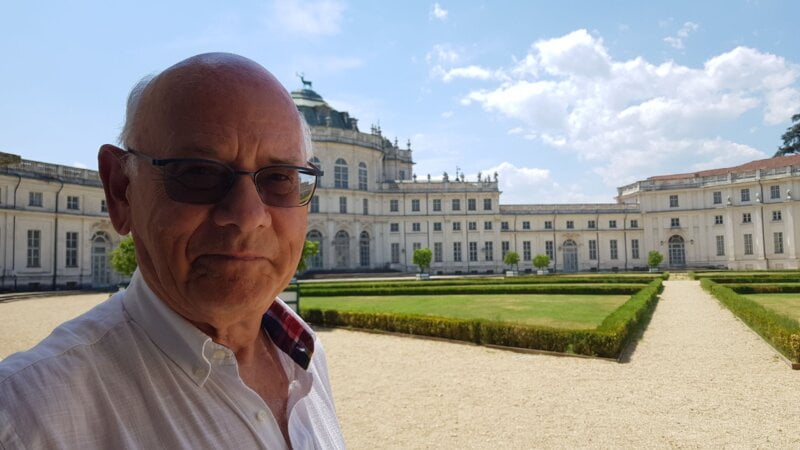
Hans-Juergen Wiegand is a man who lives his work passions and family, with determination. A philanthropist, who has held important positions in the chemical and automotive world, in particular with Daimler AG (Mercedes-Benz). He loves to travel, attaining knowledge and experience from different cultures. These experiences have shaped him, with a particular acumen in recognizing the best in human beings. Hans thrives on helping young people, to realize their dreams, as he has realized his own. Hans is an inspirational leader, with the competence to restructure and transform organizations. He is very flexible with people, and stands like a rock when it comes to principles. Whatever happens, he will always stay positive.

Mandy Shrimpton is the quintessential people’s person. Mandy believes that success is measured by the quality of our human-relationships rather than the results we manifest through sheer will. Mandy firmly established herself as the heart of the non-profit organisation that she co-founded and ran with her adoring husband for 17 years. Mandy loves walking in nature with her family, hugging trees, and preserving the environment. She also enjoys being creative and is particularly fond of painting flowers. As a very happily married and devoted mother to four children, Mandy has cultivated a deep appreciation for the culinary arts and relishes the spare moments she gets to watch her favourite cooking shows. This initiative reflects how Mandy sees the world, helping to create positive synergy. Fostering unity and courteous community, building partner relationships and motivating affiliates. Born and bred in Africa, Mandy understands the concept of Ubuntu. I am, because we are. Together we can make the world a better place. Using her skills and experience to make a difference. Helping others see through the fog of new technologies, avoid common marketing mistakes and develop better business strategies. With a subtle blend of motherhood and effective project management, Mandy is the perfect professional partner, to show others the merits of this initiative. Shining a light on the path to prosperity, while not losing our footing in family values and humble humanity. Sharing is caring, while enriching ourselves spiritually and materially. We cannot give freely, if we don't have. "Sometimes the world makes more sense, through the eyes of a mother. Using protective instinct and family fortitude, to help one another." ~ Mandy Shrimpton

Potchefstroom is an academic city in the North West Province of South Africa. It hosts the Potchefstroom Campus of the North-West University. Potchefstroom is on the Mooi Rivier, roughly 120 km west-southwest of Johannesburg and 45 km east-northeast of Klerksdorp. The official history of Potchefstroom, written by Prof Gert van den Bergh, accepts the official founding date as 22 December 1838. This is due to a newspaper report that appeared in the ‘The Natal Advertiser’ in 1921 which said "Old Mr Barent Swart, of Klerksdorp, furnished me many years ago with. . . An exact date of its founding". His words were: "Oudedorp was proclaimed a dorp on December 22, 1838." By the time this was written, the town was relocated, and the first settlement was known as Oudedorp (old town). Although it has been severely contested, it is generally accepted that Potchefstroom is the oldest town founded by the Voortrekkers north of the Vaal River. Potchefstroom was named after its founder, Andries Potgieter, hence the syllable ‘Pot’ in the name. ‘Stroom’ came from the Mooi River, but about the origin of the ‘chef’ there has been much speculation. It is generally accepted that it was inserted because Potgieter was the leader, chief or ‘chef’ of the Voortrekkers. Another explanation is that people with the surname of Potgieter were nicknamed ‘Potscherf’, an alternative spelling of the name. Combined with ‘stroom’, this was difficult to pronounce and the name later became Potchefstroom instead of Potscherfstroom, which has been used to a certain extent in the early years. Today, Potchefstroom is a thriving city with close to 140 000 residents. It is the home of the Potchefstroom campus of the Northwest University. The Northwest University also has two other campuses, in Mahikeng and Vanderbijlpark. With more than 55 000 students, it is the second-largest university in the country. It's certainly a town worth the visit if you want to have the feeling of real Africa.

Kylie Flavell is one of the most popular influencers of the moment who, with more than 143,000 followers, brings to the world all the charm of Italy made of art, culture and above all gastronomy. Influencer, filmmaker, producer and cook in love with the Italian tradition, the beautiful Kylie has chosen the design of our kitchens to bring elegance, style and refinement to her video recipe format “From Italy with love”. This is an expected appointment on her social networks followed by numerous and passionate followers, lovers of good Italian cuisine. A column that we will not fail to share also on our Facebook and YouTube profiles. Her style is so unique and captivating, we invite you to follow and share her video recipes set in a splendid Tuscan farmhouse, immersed in the warmth of the most authentic Italian style. Kylie Flavell is someone who believes in kindness and beauty and the power of believing in yourself and your dreams. And the best way for her to share this with the world was by becoming firstly, a writer and magazine editor, and later, a filmmaker, TV presenter, YouTuber and passionate storyteller in all forms. On the way, she has done a range of other jobs, from a dishwasher in a tiny cramped kitchen of a restaurant to an assistant and translator in a couture atelier in Rome. She's lived lavishly and experienced magnificent scenes that one might think only happen in films... and had been a broke struggling artist, living in a flat in Rome with no windows and no electricity - which turned out to be equally cinematic. TV shows maker as the creator, host and one-woman production company that have aired all over the world, including shows on National Geographic Channel and Discovery in 70 countries. She's also won awards for work with brands, such as her web series Hooked Up, commissioned by Airbnb, which had her filming alone in a different country every episode, and reached over 10 million views. She presented the unique approach to filmmaking at the Cannes Film Festival and other international events, how she taught herself every aspect of production in order to bring audiences the quality of cinema and television, with the intimacy and authenticity of YouTube.

Cindy Vine Travels and Portugal, Cindy Vine is an author, mother of three kids, with lots of life experiences she uses as an inspiration source to write her books about. She is a teacher and uses her teaching qualifications to travel around the world teaching. Cindy Vine's novels are known for their sharp insight on interpersonal relationships. Cindy loves to travel and enjoy taking photos and videos to document her trip. That's so that when her memory starts to fade, she can remember what she's done and where she's been. So if you are a fellow traveller or an armchair traveller, you will be interested in following her adventures. Cindy decided to move to Portugal and just purchased a 2.5hec. farm in Central Portugal. Interesting to understand why she chose moving to Portugal and what future she's expecting to live, this was the dream of her life. She bought an old farm abandoned with a big garden also abandoned. We talked about why she chose moving to Portugal and what future. The farm is called Bela Pedra that means Pretty Stone. She started restoring it and taking care of the garden, planting trees and farming, all on her ow, learning day by day with passion and care and documenting her journey on her YouTube channel and blogs. She is admirable for the positive strength she has, she is an example of how anyone can reach their dreams.

Lungo la strada che porta alla Sacra di San Michele, alle pendici del monte Pirchiriano, sorge l’ex Convento di San Francesco, noto oggi come Certosa di San Francesco e gestito dal Gruppo Abele. La chiesa conventuale abbazia di San Francesco al Monte, consacrata nel 1521 e tutt’oggi officiata, sorge al centro dello splendido complesso. Essa si presenta esternamente con una semplice facciata in pietra a vista rifinita a intonaco nella parte sommitale e impreziosita dal portale ad arco a tutto sesto e dal finestrone. L’interno è a navata unica, sulla quale si innestano delle cappelle laterali poste sul lato sud. La struttura conserva ancora l’impianto primitivo, ad eccezione della prima campata, rialzata e munita di volta a cupola nella seconda metà del Settecento. Le cappelle laterali e la lunetta sovrastante l’ingresso presentano tracce dell’originaria decorazione ad affresco cinquecentesca. Nella prima cappella a ridosso della facciata restano, ai lati di una nicchia, le figure frammentarie di Santa Lucia e Santa Barbara, mentre nelle vele della volta sono raffigurate, all’interno di tondi, ritratti dei padri della chiesa. La seconda cappella reca invece, al di sopra dell’altare, una notevole Deposizione inserita entro una finta architettura con arco a tutto sesto, nella quale spicca, in primo piano, la figura della Maddalena abbigliata con un ricco abito color ocra. Ai lati della raffigurazione principale e sulla parete di sinistra sono ancora visibili le figure frammentarie di un santo vescovo e di un santo francescano.

Italia che Cambia è un’associazione di promozione sociale e una testata giornalistica registrata. Raccontiamo, mappiamo e mettiamo in rete chi produce un cambiamento positivo dal basso del nostro paese, in una direzione di maggiore sostenibilità ed equità economica, sociale, ambientale, culturale. Italia che cambia è un progetto che vuole raccontare, mappare e mettere in rete quel pezzo di paese che di fronte a un problema si attiva per cambiare concretamente le cose senza delegare o aspettare che qualcuno lo faccia al suo posto. Vuole inoltre offrire strumenti di facilitazione dei processi di trasformazione positiva in atto nel Paese con l’obiettivo di far emergere le potenzialità di coloro che “vogliono cambiare” fornendo l’esempio, il know-how e il supporto della rete di progetti già in atto. La visione e i valori che hanno dato vita al progetto Italia che Cambia sono racchiusi nei “Sette Sentieri” che sono quindi alla base della selezione delle realtà presenti nella mappa e delle notizie proposte ogni giorno. Sette sentieri di transizione verso una società più equa, giusta e sostenibile. I vari punti non li abbiamo scelti noi dal nulla: ci sono stati segnalati, raccontati, trasmessi dalle realtà che abbiamo incontrato lungo il cammino. Li abbiamo voluti scrivere, raggruppandoli e organizzandoli per rendere espliciti gli obiettivi e gli ideali che ci muovono e che stanno alla base del nostro progetto. Non sono dei punti di partenza ma di arrivo. Le realtà che raccontiamo, che abbiamo incontrato e che potete trovare sulla mappa, pur seguendo ciascuna il suo sentiero particolare, condividono con noi questo percorso e mirano verso la stessa meta. Inoltre grazie ad un lavoro che nel 2015 ha coinvolto oltre 100 ambasciatori e ambasciatrici, rappresentanti di altrettante associazioni, comitati, imprese, università, istituzioni, abbiamo scritto 17 documenti di visione/azione per cambiare l’Italia. Li abbiamo chiamati Visioni 2040 e vanno ad integrare, approfondendoli, gli elementi che emergono dai Sette Sentieri. Nel marzo 2018 è uscito il libro “E ora si cambia”, che raccoglie i documenti riassunti ed aggiornati, a cura di Andrea Degl’Innocenti e Daniel Tarozzi. Il nostro obiettivo, quindi, è duplice: da un lato far emergere questa italica moltitudine – che abbiamo potuto incontrare in anni d'incontri in giro per le venti regioni italiane – e dall’altro contribuire alla costruzione di un nuovo paradigma culturale che metta al centro la de-mercificazione della realtà, le relazioni umane, la facilitazione, i processi non giudicanti, la sostenibilità umana, ambientale, economica e sociale.

Die GLS Bank ist in Deutschland die Refernz für sozial und ökologisches Banking. Wer bei der GLS Bank Kunde ist, kann sich sicher sein, dass sein Geld dazu beiträgt die Zukunft zu gestalten, die wir uns alle wüsnchen. Investitionen gehen in eigens sehr strickt aufgelegte Fonds welche das 1.5°C Ziel bereits erfüllen. Keine Kinderarbeit, keine Waffen, kein Genforschung oder andere negativ Themen - sondern erneuerbare Energien, Soziales und Kultur, ökologische Landwirtschaft, Ernährung, nachhaltige Wirtschaft und weitere positiv beitragende Vorhaben werden ausschließlich unterstützt. Als Kunde bei der Bank trägt man dazu bei, dass ausschließlich diese positiven Projekte gefördert werden. Der strickte Zuspruch zu sozial und ökologischen Projekten wird bei allen Produkten, die ein Kunde von seiner Bank kennt (Baugredite, Firmenkredite, Altersovrsorge, Anlagen, Investitionen etc) unabweichlich eingehalten. Privatpersonen, Firmen und Vereine werden darüber hinaus aktiv unterstützt ihrn eigenen Impact zu verbessern. Die GLS Bank ist eine Universal-Bank, bei welcher man nahezu alle Finanzdienstleistungen in Anspruch nehmen kann - jedoch immer unter einer strickten sozial, ökologischen und nachhaltigen Perspektive. Die Bank ist überwiegend in Deutschland tätig. Es können alle Dienste online wahrgenommen werden und es gibt mehrere Filialen für den persönlichen Besuch. Desweiteren besticht die Bank durch Ihre Rechtsform, die Genossenschaft. Die mitgleiderbestimmte Gesellschaftsform ist darauf gegründet in Gemeinschaft einen gesellschaftlich positiven Beitrag zu leisten. Mit der GLS Bank gibt es keinen Bedarf mehr als Privatperson sowie Firma bei einer konventionellen Bank zu sein und indirekt Umweltvernichtende Projekte zu unterstützen. Die GLS Bank bietet den vollumassenden Banken-Service mit reinem und ehrlichem guten Gewissen. Klimaschutz kann so einfach sein: Werde jetzt Mitglied bei der GLS Bank. The GLS Bank is the reference for social and ecological banking in Germany. Anyone who is a customer of GLS Bank can be sure that their money will help shape the future that we all want. Investments are made in specially designed funds that already meet the 1.5 ° C target. No child labor, no weapons, no genetic research or other negative topics - only renewable energies, social affairs and culture, ecological agriculture, nutrition, sustainable economy and other positively contributing projects are exclusively supported. As a customer at the bank, you help ensure that only these positive projects are funded. The strict encouragement to social and ecological projects is inevitably complied with for all products that a customer knows from their bank (building loans, corporate loans, old-age provision, systems, investments, etc.). Private individuals, companies and associations are also actively supported to improve their own impact. The GLS Bank is a universal bank, where you can take advantage of almost all financial services - but always under a strict social, ecological and sustainable perspective. The bank operates predominantly in Germany. All services can be used online and there are several branches for personal visits. Furthermore, the bank impresses with its legal form, the cooperative. The member-determined form of society is based on making a socially positive contribution in community. With the GLS Bank, there is no longer any need to be a private person or company with a conventional bank and indirectly support environmentally damaging projects. GLS Bank offers the full banking service with a clear and honest good conscience. Climate protection can be so easy: become a member of GLS Bank now.

Carlo Acutis, a boy capable of smiling and joking, a positive presence. One of those people who, when there are with you, you become a better person. . Whoever saw him saw a piece of heaven for the other boys. He was born on May 3, 1991 in London, and died of fulminant leukemia on October 12, 2006 in Monza. Carlo was gifted. Very. Both from the intellectual point of view, his computer books: they were university texts, and from the spiritual one. Carlo is Blessed and is the patron of the internet and protector of all cybernauts. Now we have a valid intercessor in Carlo Acutis, a 15-year-old boy, a "fan" of the internet like his peers, but unlike many of them, convinced that it should become a "vehicle for evangelization and catechesis". On the web there is still (www.miracolieucaristici.org), the virtual exhibition designed and created by him at the age of 14, which is going around the world and which testifies how truly for Carlo the Eucharist was his "highway to sky". Yes, because Carlo continues to be a mystery: with his clear and sunny 15 years, with his will to live and his bursting joy, but above all with his faith that uncomfortable and challenges that of us adults. Carlo Acutis, un ragazzo capace di sorridere e scherzare, una presenza positiva. Una di quelle persone che, quando ci sono, tu stai meglio. Che ti aiutano a vivere, a livello umano e di fede. Chi lo vedeva vedeva un pezzetto di cielo per gli altri ragazzi.E' nato il 3 maggio 1991 a Londra, ed è mancato di leucemia fulminante il 12 ottobre 2006 a Monza. Carlo era dotato. Molto. Sia dal punto di vista intellettuale, i suoi libri di informatica: erano testi universitari, sia da quello spirituale. Carlo è Beato ed è come patrono di internet e protettore di tutti i cybernauti. Adesso abbiamo un valido intercessore in Carlo Acutis, un ragazzo di 15 anni, “patito” di internet come i suoi coetanei, ma a differenza di tanti di loro, convinto che debba diventare “veicolo di evangelizzazione e di catechesi”. Sul web è ancora presente (www.miracolieucaristici.org), la mostra virtuale progettata e realizzata da lui a 14 anni, che sta facendo il giro del mondo e che testimonia come davvero per Carlo l’Eucaristia è stata la sua “autostrada per il cielo”. Già, perché Carlo continua ad essere un mistero: con i suoi 15 anni limpidi e solari, con la sua voglia di vivere e la sua prorompente allegria, ma soprattutto con la sua fede che scomoda ed interpella quella di noi adulti.

Homo Faber Guide is an online platform dedicated to craftsmanship that allows you to discover artisans and their masterpieces; explore museums, visit galleries and shops selling unique objects; enjoy experiences in cities across Europe. Homo Faber Guide is a signature project developed by the Michelangelo Foundation for Creativity and Craftsmanship, an international non-profit organization based in Geneva, Switzerland, which was set up in 2016 thanks to the intuition of Franco Cologni and Johann Rupert. The Michelangelo Foundation’s mission is to celebrate and preserve master craftsmanship, and for this reason it has created a European map of the most significant representatives in this field, with the aim of connecting all its protagonists: artisans, designers, gallery owners, art curators, collectors and enthusiasts of high-quality handmade pieces. Homo Faber Guide has a section dedicated to the discovery of artisans, ateliers and manufacturers. Browse the profiles of master artisans and rising talents from Europe and beyond who exemplify excellence. Find out about them through interviews and images which reveal their individual stories, techniques and objects and have the chance to contact them directly. Learn the addresses of ateliers dedicated to different crafts and of esteemed manufacturers. There is also a space dedicate to showcase galleries, shops and museums which you can visit. Find the addresses in each city of galleries exhibiting contemporary craftsmanship and shops selling the masterpieces of the artisans featured in the guide. The museums shown in the guide have been handpicked for their links to craftsmanship and for the exquisite collections they have on display. The artisans featured in Homo Faber Guide have been selected in a meticulous assessment process based on the eleven criteria for excellence identified by Alberto Cavalli, Executive Director of the Michelangelo Foundation, in the volume The Master’s Touch, written with researchers Giuditta Comerci and Giovanna Marchello. The members of the Michelangelo Foundation’s network who have been invited to participate in selecting masters to be featured in the guide were provided with an evaluation tool based on the eleven criteria. In this way, they identify the most suitable masters to be included in the project.

Emanuele Tozzoli has been painting and creating since he was old enough to pick up a brush, learning the art from his father, a renowned painter and sculptor. Attracted by the most hidden parts of human nature, it descends in its depths in search of the original figures. Emanuele Tozzoli lives his art as a deep path of openness and knowledge, investigating the subtle nature of artistic composition. Tozzoli enjoys using different materials together. He is intrigued by the depth that is created by combining different mediums. All his works are mixed media, mainly using acrylics, oil pastels, spray paints, markers, pens, wall glazes and collages. He worked for several years as a decorator and restorer of wall paintings with the Turin art master Silvio Scarafiotti, this had a major impact on his work method and way of conceiving painting and art. With an instinctive and visceral workflow, it lets loose what comes from the unconscious, using a recurring symbology. Each work is the result of a primitive flow, where the painting becomes the materialization of a dreamlike and extravagant interior world.

Ho passato gran parte della mia infanzia a San Erasmo e porto dentro molti ricordi legati a quello che mi hanno raccontato i miei nonni, ma sopratutto ricordo la cucina di mia nonna che ho sempre rigorosamente preferito a quella di mia madre (pur essendo diventata una degna erede nel tempo!). Conosciuta come l’orto di Venezia è una delle isole più grandi e meno conosciute della laguna, ma ricca di sapere tramandato. Propongo un’esperienza unica e diversa con il cibo e la natura. Lo scopo è quello di avere una piacevole esperienza diretta gustando prodotti km0, inebriati da profumi dimenticati di piante ed erbe aromatiche. E’ una riscoperta delle originali connessioni tra uomo e natura, tanto più significativa nell’ottica di uno sviluppo integrato del rapporto tra uomo e territorio. Scoprire da dove vengono i prodotti alimentari, rapportarsi con la crescita delle piante, sperimentare direttamente il contatto con gli animali diventano pratiche di grande valore formativo, seppur vissute in modo semplice. Ecco come nasce” Experientia”, per divulgare la filosofia del saper mangiare bene. Una roulotte itinerante che vuol diventare un punto d'incontro per chi ama stare all’aria aperta, oppure per i giovani che hanno voglia di un buon hamburger! I spent most of my childhood in San Erasmo and I carry many memories related to what my grandparents told me, but above all I remember my grandmother's cuisine which I have always rigorously preferred to that of my mother (despite having become a worthy heir in time!). Known as the vegetable garden of Venice, it is one of the largest and least known islands in the lagoon, but rich in knowledge handed down. I propose a unique and different experience with food and nature. The aim is to have a pleasant direct experience tasting km0 products, inebriated by forgotten scents of plants and aromatic herbs. It is a rediscovery of the original connections between man and nature, all the more significant from the perspective of an integrated development of the relationship between man and territory. Finding out where food products come from, relating to plant growth, directly experiencing contact with animals become practices of great educational value, albeit lived in a simple way. This is how "Experientia" was born, to spread the philosophy of knowing how to eat well. A traveling caravan that wants to become a meeting point for those who love being outdoors, or for young people who want a good hamburger!

Adriano Olivetti (Ivrea, 11 aprile 1901 – Aigle, 27 febbraio 1960) è stato un imprenditore, ingegnere e politico italiano, figlio di Camillo Olivetti fondatore della Ing. C. Olivetti & C., la prima fabbrica italiana di macchine per scrivere. Uomo di grande e singolare rilievo nella storia italiana del secondo dopoguerra, si distinse per i suoi innovativi progetti industriali basati sul principio secondo cui il profitto aziendale deve essere reinvestito a beneficio della comunità. La Fondazione Adriano Olivetti nasce nel 1962 ad opera di alcuni familiari, amici e collaboratori del grande imprenditore prematuramente scomparso due anni prima, con l’intento di raccogliere e sviluppare l’impegno civile, sociale e politico che ha distinto l’operato di Adriano Olivetti nel corso della sua vita. La Fondazione, con sede dapprima a Ivrea e subito dopo a Roma, si propone "la promozione, l’incoraggiamento e l’organizzazione gli studi che sono diretti ad approfondire la conoscenza delle condizioni da cui dipende il progresso sociale". La Fondazione ha lo scopo di promuovere, sviluppare e coordinare le iniziative e le attività culturali, che siano dirette a realizzare il benessere, l’istruzione e l’educazione dei cittadini, attraverso il progressivo diffondersi, in armonia con i principi della Costituzione, di forme comunitarie, rispondenti alla configurazione urbanistica, produttiva, sociale, ambientale e culturale della collettività, secondo le idee di Adriano Olivetti. Coerentemente a questo mandato, la Fondazione svolge con un approccio interdisciplinare attività di ricerca e promozione culturale e scientifica in quattro principali aree d’intervento: Istituzioni e società; Economia e società; Comunità e società; Arte, architettura e urbanistica. In questi ambiti, la Fondazione promuove programmi di studio e sperimentazione in particolare indirizzati ad approfondire la conoscenza delle condizioni da cui dipende il progresso sociale, che caratterizzano la Fondazione come istituzione operativa sul territorio, in una politica culturale che predilige la collaborazione con altre istituzioni di analoga natura e con enti pubblici e privati, nazionali ed internazionali.

Dal 2006 c’è un posto a Torino che non è né una biblioteca né una libreria, ma in cui – dal lunedì al sabato e qualche volta anche di domenica – si parla di libri, con chi ne ha scritti e con chi li legge: è il Circolo dei Lettori, fondazione della Regione Piemonte che ha la sua sede in via Bogino 9, poco distante da piazza Carlo Alberto da una parte e via Po dall’altra. Aperto da mattina a sera, organizza presentazioni di libri con scrittori italiani e stranieri, reading, gruppi di lettura, laboratori per bambini e anche viaggi letterari: è un luogo unico in Italia per il numero di attività e per il tipo di spazi che mette a disposizione. Ha anche un bar, che si chiama Barney’s, dal nome di quel Barney. La Fondazione Circolo dei lettori, nata a Torino per volontà della Regione Piemonte, guidata dal presidente Giulio Biino e diretta da Elena Loewenthal, produce e diffonde cultura, tutti i giorni nelle sue tre sedi, di Torino, Novara e Rivoli, e con grandi rassegne annuali sul territorio e in rete con realtà di tutt’Italia. Agisce attraverso l’ideazione e l’organizzazione di incontri, reading, dibattiti, manifestazioni, concerti e rassegne culturali, mettendo al centro il libro per esplorare i linguaggi della contemporaneità e fissare così delle coordinate del mutevole presente. Promuovere la lettura è il primo obiettivo della Fondazione, messo in pratica con incontri quotidiani con scrittori e scrittrici nelle sue sedi, occasioni di dibattere intorno a romanzi e saggi di oggi e di ieri, e ancora nelle scuole, nelle carceri e negli ospedali del territorio, grazie ai progetti di responsabilità sociale. Offre quindi momenti di crescita personale, per tutte le età, colmando i bisogni culturali della comunità, regalando la possibilità di approfondire gli argomenti più vari, dalla filosofia alla storia, dalla musica al cinema. Perché i libri sono un punto di partenza per andare dappertutto, e per parlare di tutto, insieme, alleviando la solitudine e favorendo amicizie. Per questo la Fondazione si rivolge anche alle famiglie e agli insegnanti, con laboratori per i bambini e incontri per le classi, perché leggere è un’attività centrale nella formazione dei piccoli e dei giovani. Con l’obiettivo di un continuo rinnovamento della cultura, la Fondazione del Circolo dei lettori organizza grandi rassegne annuali, momenti di riflessione straordinaria, parentesi utili a prendersi il tempo di pensare e immaginare. Sono Scarabocchi. Il mio primo festival, seminari e laboratori per famiglie e bambini, Torino Spiritualità, dedicato ai grandi interrogativi dell’umanità, il Festival del Classico, per cercare nel passato buone pratiche per il presente. Dal 2018, la Fondazione Circolo dei lettori si occupa dei contenuti culturali e della comunicazione del Salone Internazionale del Libro di Torino, cinque giorni di sconfinati dialoghi intorno ai libri e alla lettura.

Daniele Cavallero è figlio d'arte. Da più generazioni la sua famiglia si occupa di legnami, mobili e di edifici storici, in una delle zone più belle d'Italia: il Monferrato, oggi patrimonio dell'UNESCO. La passione di Daniele è quella dei materiali, sopraffino conoscitore di essenze di legno, sa tutto sulle qualità, le lavorazioni e gli usi del legno nell'arredamento e nella ristrutturazione. E'abituato agli edifici storici, vista la zona dove opera. Per la sua capacità viene chiamato anche all'estero, soprattutto dove vengono richieste competenze e artigiani italiani. Daniele è esperto di bioedilizia e di malte e costruzioni con materiali naturali, calce e calce-canapa, collabora con vari architetti e studi di professionisti del settore. Grande appassionato di vini nobili piemontesi, non perde occasione per promuovere il suo amato territorio delle Langhe. Daniele Cavallero is the son of art. For several generations his family has been dealing with wood, furniture and historic buildings, in one of the most beautiful areas in Italy: Monferrato, today a UNESCO heritage site. Daniele's passion is that of materials, a superfine connoisseur of wood essences, he knows everything about the qualities, processes and uses of wood in furnishing and renovation. He is used to historic buildings, given the area where he works. For his ability he is also called abroad, above all where Italian skills and craftsmen are required. Daniele is an expert in green building and mortars and constructions with natural materials, lime and lime-hemp, he collaborates with various architects and professional firms in the sector. A great lover of Piedmontese noble wines, he never misses an opportunity to promote his beloved territory of Langhe in Piemont.

Eolie Shop was born from the passion of a group of young Sicilian entrepreneurs, in love with their land and the raw materials it offers. Their quality is given by the scents of the sea and the warmth of the sun that bathe and warm the lands of the pristine Aeolian Islands. The expert hands of the Aeolian artisans transform these excellent raw materials into products of unparalleled taste and supreme quality. The aim that these young entrepreneurs have set themselves is to make the Aeolian excellence known internationally, creating an indissoluble union between quality and accessibility. This is why they have devised a supply chain that allows them to minimize brokerage costs and at the same time allow large-scale distribution of Aeolian products at competitive prices, maintaining the quality of the products intact and guaranteeing their undisputed excellence. The consumer can only choose the products he prefers and enjoy them in good company. Eolie Shop Online for only typical products from the Eolian Islands. The Eolie Shop project is born From the love for the culinary excellence of the Aeolian islands territory and from the desire to make them finally accessible and appreciated to all. An online store that enhances the history, traditions and quality of the island’s producers who work every day to keep an age-old food and wine culture alive.

Silvio Scarafiotti, figlio d'arte, esegue, negli anni, eleganti opere pittoriche e decorative presso committenze di elevato prestigio in Italia ed Europa. Appassionato del suo lavoro, ha imparato da suo padre le antiche tecniche pittoriche e di restauro, mettendoci l'amore per il suo lavoro. Sempre alla ricerca dell'innovazione, si pone all'avanguardia con le più recenti tecniche pittoriche, pur con grande attenzione e conoscenza dei materiali naturali, della calce e di tutte le sue lavorazioni imparate fin da ragazzino. Con il suo staff, composto da validi professionisti, pone estrema attenzione alla pulizia degli ambienti lavorativi, all'ordine e alla precisione. Maestro di trompe-l'oeil, pittura su superfice piana che crea l'illusione di tridimensionalità nello spettatore, esegue stucchi, marmorini, spatolati. Amante del bello e dell'architettura storica si occupa d'interventi conservativi e integrativi su facciate e di pitture murali d'epoca, atti a svelare e salvaguardare la presenza di meravigliosi dipinti.
.
.

.