
Il Palazzo Ducale Sangiovanni è un edificio storico, ubicato nell'antica città di Alessano in provincia di Lecce. Viene erroneamente indicato come “Palazzo Gonzaga”, ma la sua costruzione risale alla fine del Quattrocento, al tempo in cui Alessano era sotto la signoria dei Del Balzo. Il Palazzo, dopo i Del Balzo, ha ospitato i De Capua, i Gonzaga, i Brayda, i Guarini, gli Ayerbo d’Aragona. Ultimo proprietario è stato Antonio Zunica, al quale era stato portato in dote dalla moglie Luisa Riario-Sforza, nipote ex-uxore di Giuseppe Maria Ayerbo d’Aragona, ultimo feudatario di Alessano, morto di colera a Napoli nel 1837. Ai primi anni del 900, il Palazzo fù comprato da Carlo Sangiovanni, Enrico Sangiovanni ne è oggi il proprietario. Oggi il palazzo e' in perfette condizioni, molto ben tenuto dai proprietari, con un bellissimo giardino. Comod come logistica in centro al paese ma nel silenzio del suo giardino protetto dalle mura, si presta alla perfetta organizzazione di ogni evento speciale e ad una ospitalità lussuosa e rilassante.
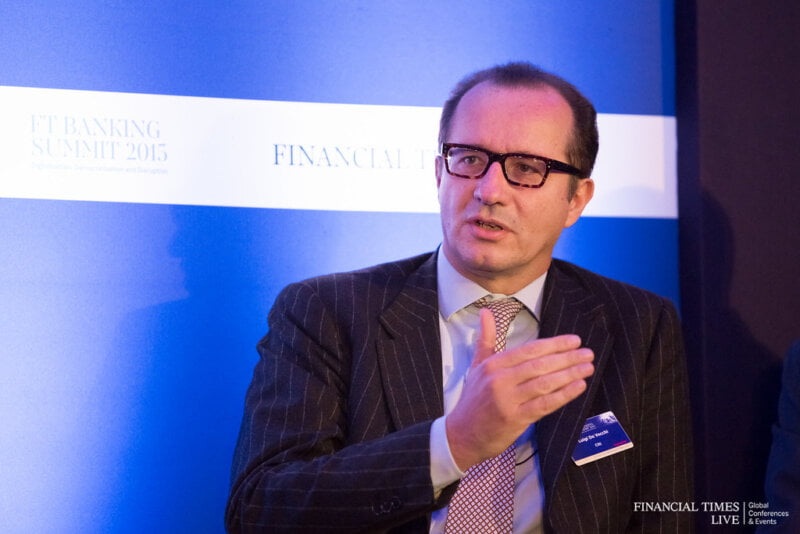
Luigi de Vecchi is currently the Chairman of Continental Europe for Corporate and Investment Banking in Citi. He has been a Managing Director of Credit Suisse since 2004. Prior to joining Citi, he was Co- Head of Global Investment Banking at Credit Suisse and a Managing Director at Goldman Sachs and Kleinwort Benson. Professor of Finance and member of the Advisory Board of the LUISS University in Rome and Board Member of Calarts in LA. He is also a member of the Board of Director of Save the Children Italy. Luigi is a mentor and gives his wide experience also in helping Associations that have a social impact. He is the father of three and a enjoys nature, friends company and sailing.

The Piera, Pietro and Giovanni Ferrero Foundation was set up in 1983 as the “Ferrero Social Initiative”; since 1991, it has been recognised by the Ministry of the Interior as a Foundation and falls into the category of socially useful non-profit organisations (ONLUS). Presided over by Maria Franca Ferrero, the Foundation embodies the idea of Pietro's son Cavaliere del Lavoro Michele Ferrero who, in 1946, worked together with his brother Giovanni to found the confectionery company that has become a multinational corporation. The “family” style of the Ferrero company is still a fundamental characteristic easily seen in its production operations. This approach includes a sense of social responsibility at both a global level and in individual employment relations, despite the considerable size that the company has reached. From the very beginning, this sense of "family" has been a widespread sentiment amongst the workers who, with their dedication and in a climate of mutual trust, have contributed to the success of the Ferrero brand. In over sixty years, several generations of people have worked for Ferrero, which can boast experience of long-term employment like few other companies. Alongside Michele Ferrero were people who contributed towards the growth of the company, generously giving material and intellectual resources and demonstrating a support and a team spirit that went well beyond formal working relationships. Michele was keen to ensure these people that when they reached pension age, they would have the opportunity to remain active, valuable and astute regarding their own lives and those of others, in an environmental and emotional framework of security and solidarity. In 1972, the Ferrero family handed out the first company long-service awards to all employees who had worked for the company for 25 consecutive years - the first 25 years of the Ferrero story. They were the first “Ferrero Seniors”, a community of individuals who now find their most useful, gratifying and fulfilling purpose in the Piera, Pietro and Giovanni Ferrero Foundation. The idea of the Foundation and the sense of its work can be found in its motto, Work Create Donate, which is also featured on the Foundation's logo. The three verbs identify three facets of individuals who are fully integrated in social life: people who work with dignity, talent and responsibility to build new situations, not as ends in themselves, but aiming to increase the overall well-being of the community. This responsible participation in communal life can be achieved through willingly and freely gifting skills, experience, time and projects. The Foundation itself is a gift through which the Ferrero Family has given shape to the respect and gratitude it holds for those who have contributed to the growth of the company and shared its values. The Foundation does not validate the past alone:it is also a moral investment in the future of individuals, based on the conviction that they need to remain active and creative in unprecedented and gratifying ways, even at an advanced age. It belies an image of withdrawal and marginalisation associated with old age that still prevails in industrialised societies today. The gift of the Foundation extends outside the Ferrero Seniors Community through its cultural efforts that run parallel and complementary to its social project.

We have to return to the ‘40s to discover the roots of this success. These were the years when Piera and Pietro, Michele’s parents, transformed a pastry shop into a factory. The Ferrero’ Family was the first Italian manufacturer after World War II to open production sites and offices abroad in the confectionary sector, turning the Company into a truly international Group. These first and decisive steps forward were thanks to the products “invented” by Pietro Ferrero and his son Michele, who was then very young. The product was Nutella made of chocolate and hazelnuts, invented because of the lack of chocolate during the war. Another key to success was the effective sales network organized by Giovanni, Pietro’s brother, who died in 1949. Following the success of the company in Italy, Michele Ferrero decided to start producing also abroad. In 1956 a large plant in Germany was inaugurated and a short time later a plant in France. It was the prelude to a rapid expansion of Ferrero in Europe, with the establishment of commercial offices and production centers all over the world.
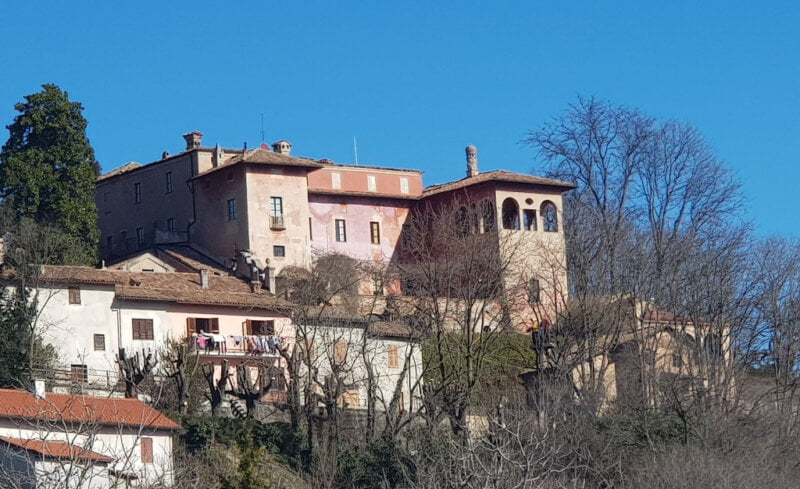
Il castello di Salabue sorge nell'omonimo abitato, attualmente frazione del comune di Ponzano Monferrato. Nato come installazione militare e dimora dei feudatari di Salabue, è stato trasformato nel Seicento in dimora nobiliare ed è divenuto residenza di importanti famiglie ed illustri personaggi della storia e della cultura monferratese. Feudo dei marchesi di Monferrato passò in seguito ai Natta di Casale, poi ai Cozzi e ai Bezzi. Poco resta dell'originario castello di Salabue che è stato trasformato, tra la fine dell'Ottocento e l'inizio del Novecento, in residenza signorile di campagna. Il castello è arroccato in cima a una collina e incorniciato da boschi e vigneti e dalle vallate circostanti, è ora proprietà dei conti Davico di Quittengo. I dintorni sono mete interessanti per gite enogastronomiche. (1) The Salabue Castle is positioned in the homonymous inhabited area, currently part of the municipality of Ponzano Monferrato. Born as a military installation and residence of the feudal lords of Salabue, it was transformed into a noble residence in the seventeenth century and became the residence of important families and illustrious personalities of Monferrato's history and culture. Feud of the Marquises of Monferrato, it later passed to the Natta di Casale, then to the Cozzi and Bezzi families. Little remains of the original Salabue castle which was transformed between the end of the nineteenth and the beginning of the twentieth century into an elegant country residence. The castle is perched on top of a hill and framed by woods and vineyards and the surrounding valleys, it is now owned by the Davico di Quittengo counts. The surroundings are interesting destinations for food and wine tours. (1)

Architetto Elena Matteuzzi, mi occupo prevalentemente di RESTAURO ARCHITETTONICO, MIGLIORAMENTO SISMICO DEL COSTRUITO STORICO e STUDIO/DIVULGAZIONE DELL'ARCHITETTURA STORICA. Gestisco Il Capochiave, un blog di restauro e architettura tradizionale. Ho conseguito un master di II livello in miglioramento sismico del costruisco storico presso l'Università di Ferrara e vinto la prima edizione del premio di restauro "CO.RE." nella sezione delle ricerche post-laurea. Ho pubblicato un libro sugli intonaci decorati del centro storico di Siena e ne ho un secondo in preparazione sull'analisi di vulnerabilità sismica e restauro strutturale di una chiesa rurale del XVI secolo a Città di Castello (Perugia). Collaboro con due riviste: Lavorincasa.it sul mondo della casa e Teknoring.com, il portale delle professioni tecniche. Ho svolto attività di docenza in corsi di aggiornamento professionale. Offro servizi professionali di alto livello a privati, aziende e studi professionali: CONSULENZE SPECIALISTICHE PER AZIENDE, ARCHITETTI E INGEGNERI – Esecuzione di fotopiani e modelli 3D a partire da semplici fotografie. – Rilievo critico comprendente lo studio e datazione delle varie fasi costruttive, il riconoscimento di materiali e tecniche costruttive, l’individuazione delle influenze stilistiche, l’esecuzione di ricostruzioni ipotetiche, eccetera. – Rilievo e analisi dei dissesti e del quadro fessurativo. – Rilievo e analisi del degrado secondo la Norma UNI 11182 (ex Normal). – Valutazione della qualità muraria con l’Indice di Qualità Muraria (IQM) e stima delle sue caratteristiche meccaniche (resistenza a compressione, resistenza a taglio e modulo di elasticità). – Analisi stratigrafica degli elevati. – Datazione di edifici con metodi “stilistici” (mensiocronologia, cioè misurando le dimensioni dei mattoni o dei conci di pietra di una muratura; cronotipologia, cioè sulla base dell’aspetto di elementi costruttivi come portali, archi, scale, architravi, balaustre, capitelli, eccetera). – Ricostruzione ipotetica di facciate e intonaci decorati. – Esecuzione di ricerche storiche anche d’archivio. RESTAURARE CON STILE Ogni edificio storico ha caratteristiche uniche e irripetibili dovute a secoli di modifiche e stratificazioni. Tutti possono avere una casa nuova ma un vecchio muro ha impiegato moltissimo tempo per acquisire un aspetto “vissuto” e possederlo è una cosa per pochi. Ma come ristrutturare una vecchia casa conservando il suo fascino? Basta Restaurare con stile! Una consulenza altamente qualificata che prevede un accurato colloquio iniziale per valutare i tuoi desideri, il sopralluogo sul posto con il rilievo completo, lo studio di alcune soluzioni progettuali e consigli specifici sui materiali, dettagli e lavorazioni. La soluzione ideale per una casa dalle prestazioni avanzate e molte vicende da tramandare! SOS AFFRESCHI In molte zone d’Italia la tradizione delle facciate affrescate è tuttora molto viva e sentita. Gli antichi intonaci decorati valorizzano e donano un fascino unico e irripetibile a qualsiasi edificio: vanno dunque trovati, tramandati e salvati. Abiti in un palazzo con la facciata, il cortile o gli interni affrescati ma bisognosi di restauro e manutenzione? Stai ristrutturando casa ma sospetti che sotto gli intonaci più recenti si nascondano le tracce di antiche decorazioni? SOS Affreschi è il servizio per te! SISMA CHECK-UP L’Italia è un paese sismico e gli ultimi terremoti di Norcia, Amatrice e Ischia lo hanno dimostrato ampiamente. Non possiamo prevedere i terremoti ma la prevenzione risulta fondamentale. Proprio per questo Sisma check-up è la soluzione ideale! Un’analisi veloce e non invasiva della tua casa per individuare: – Eventuali problemi urgenti come crepe o cedimenti – I punti più vulnerabili in caso di terremoto – Alcuni consigli operativi.
Hermès International S.A., or simply Hermès, is a French high fashion luxury goods manufacturer established in 1837 by Thierry Hermès. He created some of the finest wrought harnesses and bridles for the carriage trade, so that later specializes in leather, lifestyle accessories, home furnishings, perfumery, jewelry, watches and ready-to-wear. Its logo, since the 1950s, is of a Duc carriage with horse. Hermès has become an icon all over the world with so many wondrous stories and such an illustrious past, Hermes conjures up a story to it that many other fashion houses can’t even begin to compete alongside. The fact that the stunning bags they create remain so prized is a testament to the fashion house’s design brilliance and luxurious quality.

Ressource est issue d'une longue tradition de fabrication de peinture puisque la marque ... de la Société Provençale du Blanc Fixe Ocres, et Couleurs, créée en 1946 pour exploiter les carrières d'ocres de Roussillon (1984). Ressource peut ainsi se prévaloir d'une très ancienne maîtrise de la couleur et de la peinture. The roots of the company explain its great expertise in mineral pigments as well as its sensitivity to environmental issues, long before modern regulations were implemented. Ressource has been a sustainable company since the 90s. We are a family-run company, which produces and sells its products mainly for the domestic market and as such, we feel highly committed to the environment. Our awareness in this regard has a direct impact on our vision and our development which involves making responsible choices and acting responsibly for the well-being of our staff and customers and ultimately taking care of the planet today for future generatio
Gucci is an Italian luxury brand of fashion and leather goods. Gucci was founded by Guccio Gucci in Florence, in 1921. He started with hand made bags and belts made with beautiful soft Italian style and handcrafted leather. Gucci climbed to 41st position in the magazine's annual 2009 "Top Global 100 Brands" chart created by Interbrand. Gucci is also the highest-selling Italian brand. Gucci operates about 278 directly operated stores worldwide as of September 2009, and it wholesales its products through franchisees and upscale department stores. In the Forbes World's Most Valuable Brands list, Gucci is ranked the 38th most valuable brand. As of January 2015, the creative director is Alessandro Michele.
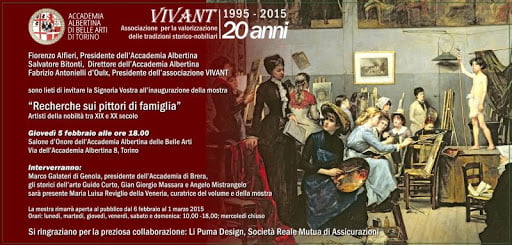
The Association Vivant believes that the role of Nobility should not be considered exhausted and that today, in the overall crisis of values that involves contemporary society, it can play a specific role that is not easily replaceable, ideally reconnecting to the great industriousness of the past ruling classes. To this end, the Association intends to carry out a double-action, aimed towards the interior of the aristocratic world to re-aggregate it in common values and towards the outside, with the aim of making known the positive role of the Nobility. Fabrizio Antonelli d'Oulx is the president and actively supports many initiatives with passion and a lot of work.

Sara Ferrara Carello spent most of her childhood in Turin. Very young, she married Massimo Carello and moved to London's Chelsea. She is mother of three successful boys and has always been very active with important charities and patronages. She especially sustains woman all around the world leaving in countries dealing with wars. Also made a difference in the prevention of breast cancer in the UK guiding to introduce a law to receive free tests. As a very successful Italian woman both in the UK and in Italy, she received the honour of becoming Ufficiale Ordine al Merito della Repubblica Italiana.
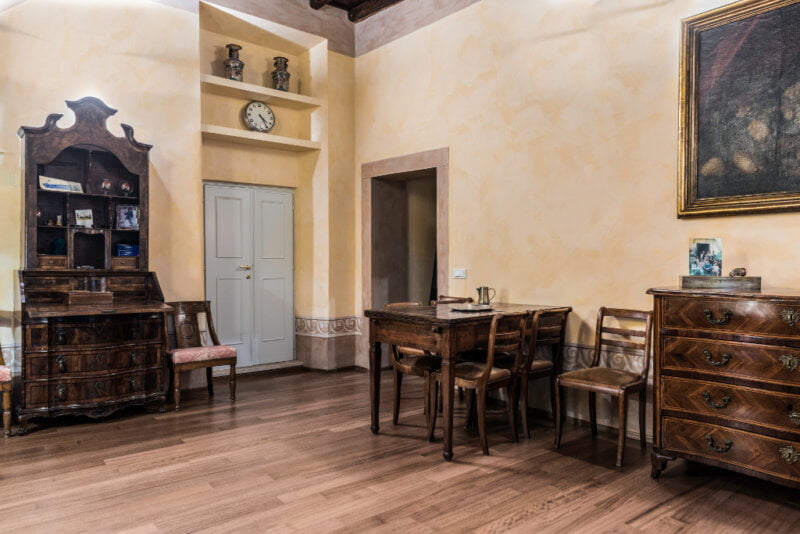
Santino and his brother Giuliano are sons of art, their father a master of lime and construction work in the surroundings of Rome. Today their company Sa.Gi. performs renovations in the center of Rome and in the surrounding countryside on historic buildings. The care and passion of their interventions and the installers they use, denote a rare precision and attention in achieving the design results. The results are long-lasting and aesthetically of the highest quality.
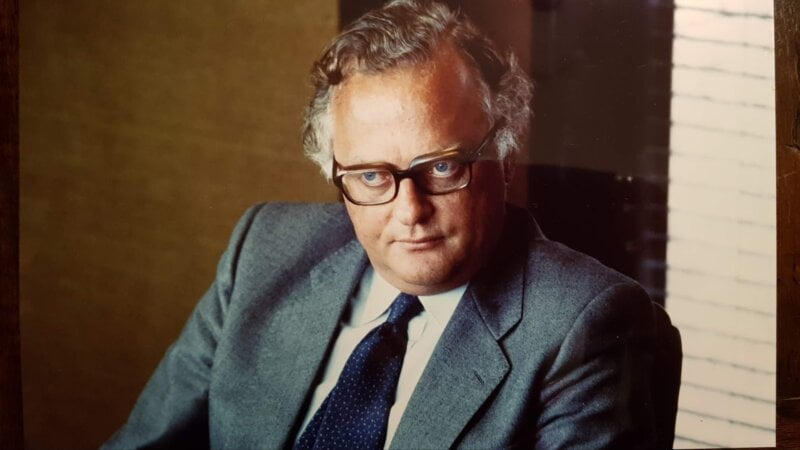
Reviglio was born in Turin. He was also educated in Turin. His undergraduate thesis was about improving efficiency in state-owned companies. Reviglio worked as a professor of public finance at the University of Turin. He was a member of the Socialist Party and served as the minister of finance and of balance for many years with different prime ministers. After working at the University of Turin for two more years he left his job in 1983 and became the president of the Italian energy firm Ente Nazionale Idrocarburi, which is commonly known as ENI. He was appointed to the post in order to reorganize and improve the firm. He achieved goals in large degree. He dedicated his life and his skills to the common good of his country and of Europe. He worked also for the MF and as a senior advisor at Lehmann Brothers. After leaving office and politics, he is the emeritus professor at the University of Turin, grandfather and finally enjoying his country house.
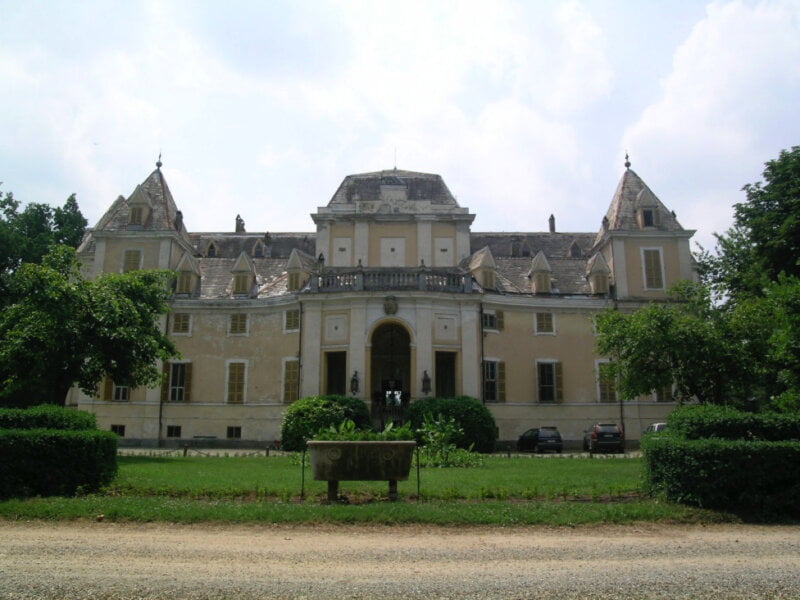
At the fourteenth-century castle with crenelated males stands the splendid hunting lodge, which repeatedly hosted Vittorio Emanuele II and, in June 1940, Vittorio Emanuele III. Marquis Giuseppe Alessandro Thaon di Revel and Saint’Andrè, founder in 1814 of the Carabinieri Corps, rests in the small burial ground of the church. A few tens of meters from the castle of Ternavasso stands the eighteenth-century hunting lodge that was home to the Roero Blancardi and Thaon families. It is surrounded by a large park with an artificial lake existing since the seventeenth century. The villa has an elegant facade and an imposing entrance hall decorated with the alliance weapons of the Blancards and the Saint Andrés.

Benedetto Camerana, architect, landscape painter, Ph.D. in History of Architecture and Urbanism, after his studies he continued his theoretical research working on the integration between architecture and landscape, in the direction of a clear-cut “green architecture” environmental, both as Director of the magazines “Eden. The design research is directed to technical and formal innovation through the constant implementation of a concrete environmental commitment, with the experimental use of innovative technologies and natural energy-saving systems, and the integration of them and the natural element in the project.

Moglie, madre, nonna, Paola Thaon di Revel ama i fiori e la natura. L'eredità è il suo background. È cresciuta in una famiglia dove la disciplina militare era un dato di fatto, così come la voglia di divertirsi. Sei sorelle e un fratello, in una grande villa chiamata “Cimena”, dove molti sono venuti in visita: da Umberto I, agli americani colti, ai vicini Bruni Tedeschi sulla stessa collina. Una vita dedicata al marito, Franco Reviglio e ai tre figli con tanti spostamenti e viaggi, in tutto il mondo. Oggi, i sette nipoti e la casa di campagna, regalano giornate intensamente soddisfacenti. Wife, mother, grandmother, Paola Thaon di Revel loves flowers and nature. Heritage is her background. She grew up in a family where military discipline was a given, as well as the desire to have fun. Six sisters and one brother, in a large villa called “Cimena”, and everyone came to visit: from Umberto I, to educated Americans, to the Bruni Tedeschi neighbours on the same hill. A life dedicated to her husband, Franco Reviglio and the three children with many moves and travels, all over the world. Today, the seven grandchildren and country house, make for intensely satisfying days.
Each forcola I create is like a journey. I start by studying the walnut wood trunk, as though I were in a foreign land which will slowly become friendlier. I outline the “forcola” with care respecting the grains of the wood, and then embark on the task, sweating and taking delight in the hard work. Every now and then I observe it as a traveler would when he gazes back to see how far he has come and stops for a moment to contemplate the scenery. I work slowly at times, and at others with a sense of urge, vigor and tenderness until I begin to see the curves and the lines I wanted emerging from the wood. Completing a forcola is a bit like crossing a finish line. I savor the moment as it will stay forever. Something has been created. And I must wait a little longer before embarking on another journey.

L'azienda agricola Gianfranco Boeri Vini, presente da ben tre generazioni, come agricoltori e produttori di vino, ha sede a Costigliole d'Asti, nel cuore delle verdi colline del Monferrato. Attingendo alla propria esperienza nel settore, si è specializzata nella produzione di numerosi vini di qualità. Con l'attenta cura che accompagna l'intero processo produttivo, dalla vite alla tavola del consumatore, garantiamo un prodotto buono, genuino e di qualità. L'azienda propone un'ampia gamma di vini per soddisfare le esigenze di tutta la clientela. La storia di Gianfranco Boeri Vini comincia negli ultimi anni dell’800, quando Boeris Edoardo fondò una cascina sul Bricco dei Quaglia, in frazione Bionzo di Costigliole d’Asti, il nucleo originario della loro azienda. L'azienda, all'epoca, era agricola nel senso stretto del termine: si coltivavano campi di grano, granoturco, vigneti e si manteneva una piccola stalla di bestiame. I prodotti del territorio, ottenuti con sistemi di lavorazione tradizionali, erano pochi e destinati quasi esclusivamente all'autoconsumo. Nel 1937, l'unico figlio maschio di Edoardo, Pierino Boeri (la -s del cognome fu fatta togliere per alcuni errori burocratici) sposò Rosso Orsola. Continuarono a lavorare la terra come il loro predecessore, mantenendo la natura mista dell'azienda. In questo periodo l'innovazione tecnologica si affacciò al mondo agricolo: negli anni '40 acquistarono il primo trattore, un Landini Testacalda. Negli anni '50 del Novecento, l'azienda divenne di proprietà di Boeri Edoardo, figlio di Pierino. Con lui l'azienda, pur mantenendo l'antica vocazione, divenne via via più simile a quella che conosciamo noi oggi: venne drasticamente ridotto il numero di capi di bestiame e di campi coltivati, a favore di una netta specializzazione verso la coltivazione di mele (vendute ai mercati generali di Genova) e la produzione del vino. Il vino divenne un prodotto per il commercio: le prime consegne ai clienti di Torino sono datate 1972. Negli anni '80, l'azienda passò ai figli di Edoardo ed infine, nel 1994, con Boeri Gianfranco, tutta la produzione fu convertita: i frutteti, i prati ed i campi divennero vigneti. Vennero acquistate nuove macchine e adottate nuove tecnologie per confezionare un vino genuino, rispettoso della tradizione e dell'ambiente. Nel 1999 nacque uno dei prodotti di punta dell'azienda. Fin dall'inizio ed ancora oggi, Gianfranco Boeri Vini lavorano per portare sempre sulle tavole dei loro clienti un prodotto di eccellenza, che parli della loro storia, della loro terra. La loro produzione oggi comprende gran parte dei migliori vini del Monferrato Astigiano, Barbera, Dolcetto, Grignolino, Bonarda, Moscato d'Asti, Chardonnay, Cortese e spumante. "Our wine is the reflection of our values. When you pour some of it into a glass, stop to observe the purple waterfall that slips into the shining crystal, feel the scent that emanates, raise the glass and, moving it under the light, appreciate its ruby highlights. Bring the wine to your lips and savor. The sun, the earth, the wind between the vine leaves, the bunches, the ancient tradition, the hills ... THE WINE, that since 1896 our family produces".
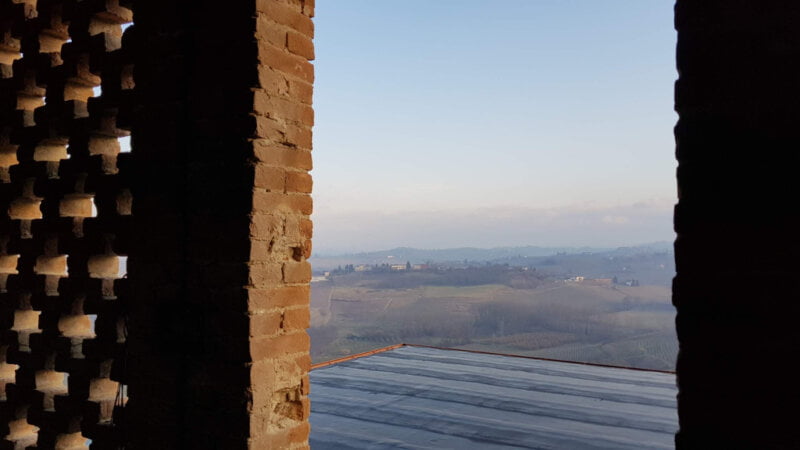
Ilaria Boeri becomes architect with a Master's Degree Thesis in Architecture, for the Sustainable Project at the Polytechnic of Turin, for a proposal of natural ancient paths on the layout of the medieval roads still existing on the territory of Costigliole d’Asti. Passionate about her territory, she specializes in Bio architecture, collaborates with various entities and develops a deep experience and knowledge in the field and of natural construction sites. Her passion is the Langhe and its historical buildings with special sensitivity to the Unesco landscape and its natural and oenological resources.

Sul colle Gianicolo, più nota a tutti come il Fontanone, la fontana dell’acqua Paola si trova al termine dell’acquedotto attivato da Paolo V Borghese (da cui prende il nome) per fornire approvvigionamento idrico al rione Trastevere che fino ad allora aveva dovuto accontentarsi quasi soltanto dei pozzi e dell’acqua del fiume. In effetti l’acquedotto Paolo era l’originario acquedotto di Traiano ripristinato nel Rinascimento. L’acqua veniva portata dal Lago di Bracciano e nell’antichità era servita a mettere in movimento i mulini di Roma. Un braccio dell’acquedotto venne distaccato per portare acqua al Vaticano e alle fontane dei giardini e a quelle di Piazza San Pietro. La bella fontana fu costruita da Flaminio Ponzio in collaborazione con Giovanni Fontana tra il 1610 e il 1612. La facciata monumentale del Fontanone, animata da angeli, mostri e draghi, è costituita da cinque archi e sei colonne in granito, delle quali quattro provengono dalla facciata dell’antica basilica di San Pietro. Altri marmi furono presi dal tempio di Minerva nel foro di Nerva. Il suo vastissimo bacino è opera di Carlo Fontana. Il piazzale che offre una visuale meravigliosa della fontana e uno splendido scorcio su Roma non esisteva ai tempi di Paolo V, quando la fontana era sull’orlo scosceso del Gianicolo. Fu Alessandro VIII Ottoboni ad aumentare la portata dell’acquedotto creando il piazzale mediante lavori di terrazzamento. Nell’orto retrostante ebbe sede dall’epoca di Alessandro VII il “Giardino dei Semplici” od Orto Botanico che nel 1820 venne trasferito nel giardino di Palazzo Salviati ai piedi del Gianicolo per ordine di Pio VII.

Antarctica, the southernmost continent and site of the South Pole, is a virtually uninhabited, ice-covered landmass. Most cruises to the continent visit the Antarctic Peninsula, which stretches toward South America. It’s known for the Lemaire Channel and Paradise Harbor, striking, iceberg-flanked passageways, and Port Lockroy, a former British research station turned museum. The peninsula’s isolated terrain also shelters rich wildlife, including many penguins.Antarctica is a de facto condominium, governed by parties to the Antarctic Treaty System that have consulting status. Twelve countries signed the Antarctic Treaty in 1959, and thirty-eight have signed it since then. The treaty prohibits military activities and mineral mining, prohibits nuclear explosions and nuclear waste disposal, supports scientific research, and protects the continent's ecozone. Ongoing experiments are conducted by more than 4,000 scientists from many nations.

Chiara Donà dalle Rose, lawyer and member of the board of the University of Architecture of Venice, a woman of high profile and great commitment, cultural, social, and human. Chiara, for many simply "Countess", is a lawyer, member of the board of the IAUV University of Architecture in Venice, founder of Bias, Biennale Contemporary art of the religions of humanity. She is a culture consultant to the Municipality of Castelvetrano. Chiara has many interests, unable to list them all, among others, she works in close synergy with the United Nations High Commissioner for Refugees and, on the Sinai Peninsula, is a humanitarian head of a project to create a hospital for Wish, World International Sicilian Heritage. Chiara is a strong-willed woman who does everything with seriousness and competence. And all with the enthusiasm, sensitivity, generosity and feminine sweetness. She is a champion for Venice safeguard.

Da sempre, la storia della famiglia Eger si intreccia con quella dei tessuti. A Mussolente, in provincia di Vicenza e a ridosso della provincia di Treviso, oltre un secondo fa fonda le sue radici l’azienda della famiglia Eger, grazie al bisnonno Francesco che, dal cuore dell’Europa, trova nel comune vicentino il luogo adatto per lo sviluppo della sua attività. La produzione di tessuti viene avviata da subito con metodi all’avanguardia per l’epoca: i telai sfruttavano la forza dell’acqua, al posto dei vecchi modelli a mano. Questo approccio innovativo è stata una vera e propria rivoluzione per quei tempi. E’ nel 1927, grazie al nipote Emilio, che l’attività intraprende la strada di vendita diretta di tessuti pregiati e di alta qualità, attività che tutt’oggi è costituisce il cuore dell’impresa, e che i figli mantengono viva profondendo entusiasmo, dedizione e profonda conoscenza della materia. Il personale, affidabile, attento e competente di Casa Eger vi accoglierà e vi accompagnerà a conoscere gli ambienti di questo fantastico luogo ricco di colori, geometrie, stoffe pregiate e tessuti raffinati. Lasciatevi incantare dalla vostra selezione di stoffe di altissima qualità, sapranno consigliarvi con gusto e professionalità per le vostre necessità di arredamento della casa, dai tendaggi per vestire le finestre e donare atmosfera agli ambienti domestici, le lenzuola pregiate per un fresco riposo, o le tovaglie ricamate a mano per arricchire le tavole. I tessuti di Casa Eger sapranno emozionarvi: realizzazioni artistiche di qualità e soluzioni personalizzate e di prestigio per trasformare ogni ambiente dotandolo di eleganza e creatività. Le soluzioni di arredamento proposte sono adatte non solo per le abitazioni private, ma anche di alberghi, ristoranti e residence.

Established in 1992, the World Heritage Centre is the focal point and coordinator within UNESCO for all matters related to World Heritage. Ensuring the day-to-day management of the Convention, the Centre organizes the annual sessions of the World Heritage Committee and its Bureau, provides advice to States Parties in the preparation of site nominations, organizes international assistance from the World Heritage Fund upon request, and coordinates both the reporting on the condition of sites and the emergency action undertaken when a site is threatened. The Centre also organizes technical seminars and workshops, updates the World Heritage List and database, develops teaching materials to raise awareness among young people of the need for heritage preservation, and keeps the public informed of World Heritage issues.

The Royal Palace of Caserta is a former royal residence in Caserta, southern Italy, constructed by the House of Bourbon-Two Sicilies as their main residence as kings of Naples. It is one of the largest palaces erected in Europe during the 18th century. In 1997, the palace was designated a UNESCO World Heritage Site; its nomination described it as "the swan song of the spectacular art of the Baroque, from which it adopted all the features needed to create the illusions of multidirectional space". In terms of volume, the Royal Palace of Caserta is one of the largest royal residences in the world with over 1 million m³ and covering an area of 47,000 m². The construction of the palace was begun in 1752 for Charles VII of Naples (Charles III of Spain), who worked closely with his architect, Luigi Vanvitelli. The palace has 5 floors, 1,200 rooms, including two dozen state apartments, a large library, and a theatre modelled after the Teatro San Carlo of Naples. The garden, a typical example of baroque extension of formal vistas, stretches for 120 ha, partly on hilly terrain. It is also inspired by the park of Versailles.

The city of Petra, the capital of the Nabataean Arabs, is one of the most famous archaeological sites in the world. Petra the world wonder is undoubtedly Jordan's most valuable treasure and greatest tourist attraction, and it is visited by tourists from all over the world. It is not known precisely when Petra was built, but the city began to prosper as the capital of the Nabataean Empire from the 1st century BC, which grew rich through trade in frankincense, myrrh, and spices. Petra was later annexed to the Roman Empire and continued to thrive until a large earthquake in 363 AD destroyed much of the city in the 4th century AD. The earthquake combined with changes in trade routes, eventually led to the downfall of the city which was ultimately abandoned. In 1812 a Swiss explorer named Johannes Burckhardt set out to ‘rediscover’ Petra; he dressed up as an Arab and convinced his Bedouin guide to take him to the lost city, After this, Petra became increasingly known in the West as a fascinating and beautiful ancient city, and it began attracting visitors and continues to do so today. Petra is also known as the rose-red city, a name it gets from the wonderful colour of the rock from which many of the city’s structures were carved.

L'azienda ND - Tecnologia del Restauro si occupa di progettazione, coordinamento tecnico-scientifico e interventi specialistici per l'edilizia e per il recupero integrativo e conservativo del patrimonio storico monumentale-architettonico. Tecnologia del Restauro si propone nel mercato di: recupero conservativo del patrimonio storico, restauro, edilizia, tenendo sempre in considerazione la massima tutela dell'ambiente naturale, dell'ambiente di vita familiare, dell'ambiente di lavoro. I prodotti e le soluzioni sviluppate sono destinati non solo a chi deve restaurare, ripristinare o consolidare edifici (o parti ed elementi di essi, come colonne, tetti e volte) ed opere d'arte, ma anche a chi, costruendo ex novo qualcosa, ha intenzione di garantire la massima durabilità nel tempo di quello che sta realizzando. L'elevata preparazione e specializzazione dell'intero team, è frutto di studi avanzati in tecnologia dei materiali di scuola americana, uniti ad un'esperienza ventennale in ricerca applicata, finalizzata alla conservazione del patrimonio storico-monumentale e civile

Nevio Del Monico, professore di Tecnologia del Restauro, il tecnico dei materiali per il restauro e consulente dei Musei Vaticani voluto dal commissario Sgarbi, ha messo mano e restaurato con tecnica e maestria innumerevoli beni. Appassionato da una vita, è diventato punto di riferimento per tanti giovani del settore. Preoccupato della situazione del nostro Paese, non perde occasione per far sentire la sua voce: "Il patrimonio storico più importante al mondo è gravemente e pressochè irreversibilmente compromesso dall'uso irresponsabile di sabbiature varie e soprattutto da improprie applicazioni di etilsilicati. Le pietre vengono modificate nella composizione petrografica, implodono, polverizzano, scagliano. Ignoranza e speculazione hanno preso il posto della scienza e conoscenza."
Back in 1846, Antonio Rummo launches the family business of milling wheat and making pasta where the grain is good and the waters are pure: Benevento. Our three horses (Bruto, Bello, and Baiardo) pull the wheat from Puglia and Campania to our mill. You can still see them today on every package of pasta. The Italian President awards Cosimo Rummo the Leonardo Award of Excellence “Made in Italy” in honor of the firm’s innovation and product quality. Our pasta is healthy, gluten-free, eco-friendly, legume pasta and other that you can find in many shops through the country and on the website.

Portofino is an Italian fishing village and holiday resort famous for its picturesque harbor and historical association with celebrity and artistic visitors. It is a comune located in the Metropolitan City of Genoa on the Italian Riviera. The town is clustered around its small harbor and is known for the pastel-colored houses, exclusive boutiques and restaurants with fish specialties overlook the cobbled Piazzetta overlooking the harbor, where megayachts are docked. A path connects the Piazzetta to Castello Brown, a sixteenth-century fortress with an adjoining museum in which art exhibitions are set up and offers views of the town and the Ligurian Sea.
.
.

.