

Three generations of the Bonomi family have worked hard and with the foresight to realize what are now the Azienda Agricola and the Agriturismo San Faustino, two pearls set between the Pizzo Badile and the Concarena, in the beautiful Valcamonica. It took luck, a lot of work and study, but only thanks to this and the tenacity of a family that has never left their land, today the San Faustino Farm is a modern company, based on respect for tradition and of the rhythms and cycles of nature.
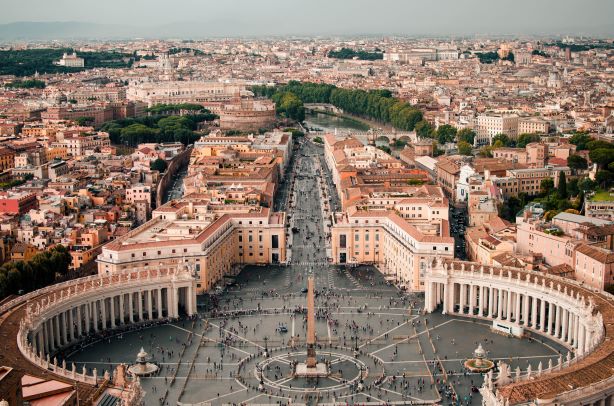
Roma caput mundi, a city of a thousand faces. Rome is the political capital of Italy, but also the center of Christianity and houses within its territory the city-state of the Vatican. The seat of the papacy, its structure today is the result of numerous urban and architectural interventions that have been stratified over the millennia. in Rome imperial is surely the best known. The splendor of antiquity revives throughout the capital: from the Colosseum to the Imperial Fora, the Domus Aurea, the Pantheon and the Circus Maximus. The capital is also a lively city that offers its visitors a multitude of cultural events and museums.

Elegant, precious, inimitable, fun, romantic: this is Venice, the gem of the Venetian and Italian tourism scene, where churches, palaces, ancient bridges, monuments, and squares tell the artistic and cultural vivacity that has marked and still marks the history of this city. The heart of Venice is the splendid Piazza San Marco, the most elegant living room in Europe, surrounded by works of unquestionable value: the imposing bell tower and the Basilica with its five portals and the decorations of marble and mosaics that anticipate the splendor and the wealth of interiors. Also the museums, the Biennale of Architecture, the gondolas and the ancient caffè Florian, everything is worth a visit. Even those who have never set foot there know the places that make the city of Venice famous all over the world: Piazza San Marco, the Rialto bridge, the Grand Canal. But Venice is also something else. There are entire areas of the historic city to be explored, far from the places obliged by tradition, where every corner hides wonders. Going off the beaten track, you will be lucky enough to look at the city from a less conventional, more intimate, authentic and original point of view. The best way to get to know the hidden soul of Venice, in fact, is to get lost in the streets and fields, explore the city slowly, preferably aboard a traditional boat or on foot, and look at it with the eyes of those who live there, maybe entering one of the many artisan shops to discover the stories of the authentic Made in Venice, such as gondolas, glass, pearls, lace, typical sweets and fabrics. But not only that: Venice is part of a real archipelago of islands, each with a unique beauty, even the lesser known, such as Torcello, Sant'Erasmo, Mazzorbo, Lazzaretto Nuovo, Certosa, Vignole, Pellestrina, and many others. You can go to the discovery of these small islands with quiet walks in the villages, visit unusual museums and take archaeological itineraries that tell of the origins of the Serenissima and its ancient history, or take short bike excursions ideal also for families with children. For example, in the Lido of Venice and Pellestrina, in addition to the beaches, there are also splendid protected natural areas that extend for tens of hectares, between the sea and the lagoon, a true paradise for birdwatchers and days outdoors. The Venice of the mainland - Mestre and Forte Marghera - can reserve beautiful discoveries, such as the woods and green parks that can be visited with urban trekking itineraries, cycle paths and bridleways. Even a visit to one of the ancient forts defending the city is an experience not to be missed to discover an unprecedented Venice, along a widespread route between the mainland and the islands of the lagoon, of extraordinary archaeological, architectural and naturalistic interest. Anche chi non vi ha mai messo piede, conosce i luoghi che rendono celebre la città di Venezia in tutto il mondo: Piazza San Marco, il ponte di Rialto, il Canal Grande. Ma Venezia è anche altro. Ci sono intere zone della città storica tutte da esplorare, lontano dai luoghi obbligati dalla tradizione, dove ogni angolo nasconde meraviglie. Uscendo dai sentieri più battuti, avrete la fortuna di guardare la città da un punto di vista meno convenzionale, più intimo, autentico e originale. Il miglior modo per conoscere l'anima nascosta di Venezia, infatti, è perdersi in calli e campi, esplorare la città con lentezza, meglio se a bordo di un'imbarcazione tradizionale o a piedi, e guardarla con gli occhi di chi ci vive, magari entrando in una delle tante botteghe artigiane per scoprire le storie dell'autentico Made in Venice, come gondole, vetri, perle, merletti, dolci tipici e tessuti. Ma non solo: Venezia è parte di un vero e proprio arcipelago di isole, ciascuna dalla bellezza unica, anche le meno conosciute, come Torcello, Sant'Erasmo, Mazzorbo, Lazzaretto Nuovo, Certosa, Vignole, Pellestrina, e tantissime altre. Potrete andare alla scoperta di queste piccole isole con tranquille passeggiate nei borghi, visitare musei insoliti e percorrere itinerari archeologici che raccontano delle origini della Serenissima e della sua antica storia, oppure fare brevi escursioni in bicicletta ideali anche per le famiglie con bambini. Per esempio, al Lido di Venezia e a Pellestrina, oltre alle spiagge, ci sono anche splendide aree naturali protette che si estendono per decine di ettari, tra mare e laguna, un vero paradiso per gli amanti del birdwatching e delle giornate all'aria aperta. La Venezia di terraferma - Mestre e Forte Marghera - può riservare bellissime scoperte, come i boschi e i parchi verdi visitabili con itinerari di trekking urbano, vie ciclabili e ippovie. Anche la visita di uno degli antichi forti a difesa della città è un'esperienza da non perdere per scoprire una Venezia inedita, lungo un percorso diffuso tra la terraferma e le isole della laguna, di straordinario interesse archeologico, architettonico e naturalistico.

La Fondazione Musei Civici è un soggetto privato che gestisce un patrimonio pubblico, che fa capo al Consiglio di Amministrazione, e che autofinanzia tutte le proprie attività. Ha un unico socio fondatore, il Comune di Venezia. MUVE è un network di musei autonomi con una regia centrale. Oltre alle tradizionali attività museali (ricovero, conservazione, studio, valorizzazione) comprende un ampio insieme di attività e servizi culturali: ricerca, formazione, divulgazione, didattica, produzione di eventi temporanei, in un dialogo incessante con il territorio e con i suoi frequentatori. La Fondazione Musei Civici di Venezia favorisce l’aggregazione di soci partecipanti, pubblici e privati, che condividano e sostengano le sue finalità. Istituisce e consolida relazioni con altri sistemi museali, nazionali e internazionali, e altre istituzioni culturali, scientifiche, educative, e sviluppa partnership su progetti specifici con soggetti privati. Obiettivi comuni sono l’implementazione della visibilità e della reputazione internazionali e lo sviluppo di relazioni locali virtuose e innovative, da perseguire con un’offerta di alto profilo associata alla massima accessibilità. La Fondazione Musei Civici di Venezia (MUVE) riunisce undici musei: Palazzo Ducale, Museo Correr, Torre dell’Orologio, Ca’ Rezzonico Museo del Settecento Veneziano, Palazzo Mocenigo – Centro Studi di Storia del Tessuto e del Costume, Casa di Carlo Goldoni, Ca’ Pesaro – Galleria Internazionale d’Arte Moderna, Palazzo Fortuny, Museo del Vetro di Murano, Museo del Merletto di Burano e Museo di Storia Naturale. Un immenso patrimonio culturale, con oltre 700.000 opere d’arte, cinque biblioteche specialistiche, un archivio fotografico e un attrezzato deposito nel Vega Stock a Marghera. Un sistema museale ricco, articolato, complesso che MUVE gestisce, tutela e valorizza dalla sua nascita nel 2008. Arricchito recentemente da altre due importanti partnership che prendono corpo oltre lo storico nucleo lagunare della città, con il Centro Culturale Candiani e Forte Marghera a Mestre. The Fondazione Musei Civici is a private entity reporting to a Board of Directors that manages a public heritage and which self-finances all its activities. It has only one founding member, the City of Venice. MUVE is a network of autonomous museums with a central direction. In addition to traditional museum activities (recovery, conservation, study, promotion), it includes a wide range of cultural activities and services: research, training, dissemination, teaching, production of temporary events, in a ceaseless dialogue with the territory and its visitors. The Fondazione Musei Civici di Venezia encourages the integration of public and private participating members that share and support its aims. It establishes and consolidates relationships with other national and international museums, and other cultural, scientific and educational institutions, and develops partnerships for specific projects with private subjects. Shared objectives are the implementation of international visibility and reputation and the development of virtuous and innovative local relationships, to be pursued with a high profile offer associated with maximum accessibility. The Fondazione Musei Civici di Venezia (MUVE) is responsible for eleven museums: the Doge’s Palace; the Museo Correr; the Torre dell’Orologio; Ca’ Rezzonico – Museum of the eighteenth-century Venice; Palazzo Mocenigo – Centre for the History of Textiles and Costume; the Casa di Carlo Goldoni; Ca’ Pesaro – International Gallery of Modern Art; Palazzo Fortuny; the Museo del Vetro di Murano (Murano glass museum); the Museo del Merletto di Burano (Burano lace museum); the Natural History Museum of Venice. It boasts an immense cultural heritage, with over 700,000 works of art, five specialist libraries, a photographic archive and a well-equipped warehouse in the Vega Stock in Marghera. This rich and complex museum system has been managed, protected and promoted by MUVE since its foundation in 2008. It has been recently enriched by two other important partnerships developing outside the historic centre of the city: with the Centro Culturale Candiani and Forte Marghera in Mestre.

Been there, done that... doing it all over again! Herby, a product of South Africa, vintage '63, Internaut since '82. Roaming the world since the age of 23 to date. Jack of all trades, master of none. Techie, pilot, nomad. Can travel~live~work, anywhere. Global village citizen, living without boundaries, my primary passions are aviation, the sea and Ubuntu Synergy. I am, because we are. Together. We create unity, foster community, motivate affiliates to generate residual revenue, and facilitate networking events. It's time to LIVE your life! My mission is to help people from all walks of life, gain financial independence, while caring for the world around us. I believe charity begins at the cash register. Just say no to donations. Learn how to earn. Make sure you have a meal, an income, clothes, a home and good health. Constantly bombing your mind with books and exercise, are two battles that win the war of longevity. I want to grow old. There is no planet B. I'm a big fan of renewable resources and ethical commerce. Gardens, farming, trees and bees, and anything that carries fleas. Helping our paw-legged friends in shelters, finding furever homes much faster. Same for birds, horses, donkeys, circus prisoners and liberating zoos. Noble causes that need proactive participants. Anyone can help: Scholars, students, employment seekers, those just over broke. Single and stay-at-home parents. Business owners, administrators and managers of any ilk. Retrenched and retired folks who still have much to give. Everyone can become successful super affiliates. Generating residual income is easy, and I will be your guide. With 40+ years in technology, aviation and extensive travel, this digital nomad has a wealth of experience to share. Helping others navigate the fear of failure and proven pathway to success. Point-and-click easy here >> https://herbyolschewski.com/action/worksheet/

Sabina Corsini, discendente da una delle più antiche principesche e influenti famiglie fiorentine, sostiene e promuovecon passione e professionalità il Patrimonio Culturale e artistico nel quale è cresciuta e Italiano nel mondo. Con grazia e determinazione, Sabina Corsini si occupa della gestione del patrimonio di famiglia e degli eventi nazionali e internazionali ospitati nei Giardini Corsini, nel Castello di Marsiliana e altri. Dalle cacce a Pitti Uomo ai concerti del Festival Internazionale della Gioventù, è molto attiva anche per la cultura e il sostegno delle arti fiorentine. Sabina Corsini, descendant of one of the most ancient princely and influential Fiorentine families, supports and promotes with passion and professionalism the cultural and artistic heritage in which she grew up and Italian in the world. With grace and determination, Sabina Corsini takes care of the management of the family heritage and of the national and international events hosted in the Corsini Gardens, in the Castle of Marsiliana and others. From the hunts at Pitti Uomo to the concerts of the International Youth Festival, she is also very active for the culture and support of the Florentine arts.

Cresciuta tra le colline piemontesi e la nobiltà veneziana, Carolina Reviglio ha assorbito fin dall'infanzia l'amore per l'arte nella dimora di famiglia, Villa Cimena. Con una formazione tra Italia e USA, unisce un’identità profondamente italiana a una visione internazionale. Dal 1987 si dedica al restauro di edifici storici, trasformando la sfida della conservazione in una missione di vita. "Il mio Paese è ricco di patrimonio, ma privo dei mezzi per preservarlo", afferma. Per questo ha scelto di restituire valore al settore, supportando gli artigiani e connettendo i professionisti ai progetti più ambiziosi. Come Heritage Doyenne, promuove la figura degli Heritage Ambassadors per traghettare il passato nel futuro. Il suo obiettivo è creare sinergia tra cultura e territorio: "Solo quando comprendiamo le nostre radici possiamo immaginare un futuro straordinario, arricchito dalla bellezza del passato. La vita è nostra, spetta a noi progettarla".

Marielle Stella è un artista estremamente talentuosa e poliedrica. Nata e cresciuta in Francia ha un profondo legame famigliare anche con la meravigliosa terra di Sicilia. Ha vissuto in Italia e all'estero facendo esperienza nel settore della moda e nel settore artistico. Il calore e i colori della sua terra d'origine traspaiono nelle sue opere e nel suo sorriso contagioso, così come la sua esperienza internazionale traspare nell'universalità delle sue opere. Stella ha lavorato su opere come lo zainetto e il "U Mungibeddu" (come viene chiamato il vulcano siciliano dell'Etna), dove ha usato la forma per posizionare i tasselli scelti in base alla sua esperienza artistica pittorica e nel campo della moda. Stella usa materiali eco sostenibili così come gli smalti di vari colori preparati appositamente senza sostanze tossiche e dannose in considerazione della malattia che da anni accompagna la designer italo-francese (MCS sensibilità chimica multipla) e che le impone di vivere in un ambiente senza sostanze chimiche.Nell'opera in questione utilizza tasselli fosforescenti che ne permettono la visibilità di giorno e di notte. Marielle Stella is an extremely talented and multifaceted artist. She was born and raised in France and has a profound family-bond with the wonderful land of Sicily. She has lived in Italy and abroad gaining experience in the fashion sector and in the artistic sector. The warmth and color of her homeland shine through in her works and in her contagious smile. Her international experiences give her a wide understanding of life that expands from her works. Stella has worked on works such as the backpack and the "U Mungibeddu" (as the Sicilian volcano of Etna is called), where she used the shape to position the pieces chosen according to her pictorial and fashion artistic experience . Stella uses eco-sustainable materials as well as glazes of various colors specially prepared without toxic and harmful substances in consideration of the disease that has accompanied the Italian-French designer for years (MCS multiple chemical sensitivity) and which requires her to live in an environment without chemicals .In the work in question he uses phosphorescent inserts that allow visibility by day and by night.

To be dressed by Alberta Florence is to take a stroll in Rome between the Via Veneto and the Piazza del Popolo in the perfume of a late afternoon in June, losing oneself in an art gallery, a cinema set, a bookshop, or in a poem. Wearing the clothes of the Atelier means realizing the dream of owning a unique object; Alberta Florence is a breath of classical originality in a world that changes, but that never compromises on style. The Atelier, established in 2014, finds its inspiration in the Italy of the 1950s and 60s, a period infused with ferment and magic, and in the soft lines and brilliant colors of the Tuscan landscape. A Bel Paese where nature's verdant profusion of olive groves, woods and luxuriant gardens became the framework for a cultural renaissance in which intense friendships gave birth to artistic movements. Novels such as The Garden of the Finzi Contini and the writings of Natalia Ginzburg and Truman Capote are further seminal influences on the ethos of Alberta Florence, which also derives creative impulse from beautiful and courageous women, the likes of Peggy Guggenheim and Paola Bucarelli, and from legendary painters with powerful personalities such as De Chirico and Guttuso. References to the cinema of the dreamlike visionary Federico Fellini are ever present. The way in which the clothes are cut represents the synthesis of the philosophy and style of Giulia Mondolfi, the heart and soul of the Atelier. Alberta Florence does not follow fashion, but is rather classically contemporary, the constant references to a past elegance always reinterpreted with a modern twist. What emerges is clothing of extreme formal simplicity which is at the same time distinctive, timeless. Giulia adores collecting fabrics which she considers real works of art in their own right, and which she sources mainly in Florence, but also during her travels to Rome, Bologna, Milan and Paris. It is indeed the fabric itself that gives form to her clothes, the prints, colors and patterns of the materials providing her inspiration. Each piece of the collection is unique because it is created from a limited quantity of fabric, and is expertly tailored by hand in Florence. The result is a perfect coming together of fashion, design and skilled craftsmanship. The Atelier Alberta Florence believes strongly in sustainable development, and for this reason has entrusted part of its production to a social cooperative which provides work for disadvantaged young people.

Edinburgh Castle is one of the oldest fortified places in Europe. With a long rich history as a royal residence, military garrison, prison and fortress, it is alive with many exciting tales. When you climb Castle Hill, you will walk in the footsteps of soldiers, kings and queens – and even the odd pirate or two. Though parts of it remain in military use, the castle is now a world-famous visitor attraction. It’s also an iconic part of the Old and New Towns of Edinburgh World Heritage Site. Edinburgh Castle has played a pivotal role in Scottish history, both as a royal residence – King Malcolm Canmore and Queen Margaret first made their home here in the 11th century – and as a military stronghold. The castle last saw military action in 1745; from then until the 1920s it served as the British army’s main base in Scotland. Today it is one of Scotland’s most atmospheric and popular tourist attractions.
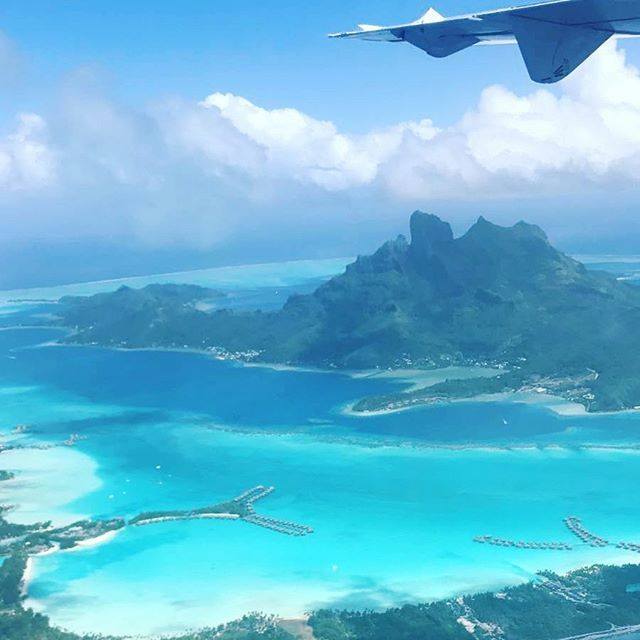
Bora Bora is a small South Pacific island north-west of Tahiti in French Polynesia. Bora Bora is located on a dormant volcano island, set on one of the most beautiful and crystal-clear lagoons in the world, coloured in a million shades of blue. Known for gorgeous luxury resorts and numerous adventurous activities, it is one of the northwestern islands that make up The Islands of Tahiti. The vast motu of Bora Bora’s white-sand beaches lined with coconut trees encircle the emerald lagoon that’s populated with myriad fish and multicoloured corals. The tallest point is the breathtaking Mount Otemanu at Bora Bora’s centre. It’s easy to understand why this little 15 square mile island is revered as one of the most intimate and idyllic vacation destinations. Every 50 minutes, flights to Bora Bora from Papeete and Moorea are available through Air Tahiti for those looking to island-hop.

The Egyptian Museum in Cairo is situated on the northeast of the centrally located Tahrir Square. It is one of the largest museums in the world, and the first national museum in the Middle East. It is actually the fifth building to house Egyptian antiquities, and has had a long and illustrious history until today. The idea of a museum for Egyptian antiquities in Egypt goes back to Muhammad Ali Pasha, who was viceroy of Egypt from 1805 to 1848. Attempting to put an end to the export of antiquities, he issued a decree on the 15th of August 1835, which resulted in the first Egyptian museum for antiquities in Cairo. Housed in a building near El-Ezbekia Garden, the display was designed by Hakikan Effendi, and the collection was managed by Youssef Diaa Effendi. At the same time, Sheikh Rifa'a al-Tahtawi, who was responsible for the excavation and conservation of Egyptian monuments, also ordered that no further excavations be undertaken without his permission. He announced that the export of artefacts from Egypt was strictly forbidden, and that all finds were to be transported to the El-Ezbekia Museum. In 1851, under the reign of Abbas I, the entire collection was transferred from El-Ezbekia to one of the halls within the Citadel of Salah El-Din (Saladin), where it was accessible only to private visitors. However, in 1854, most of the objects were offered to Austria’s heir to the throne, Archduke Maximilian, who had shown great interest in them during his visit to Egypt. They now represent a major part of the Egyptian collection in the Kunsthistorisches Museum in Vienna. The Egyptian Museum of Antiquities contains many important pieces of ancient Egyptian history. It houses the world's largest collection of Pharaonic antiquities. The Egyptian government established the museum built in 1835 near the Ezbekieh Garden and later moved to the Cairo Citadel. In 1855, Archduke Maximilian of Austria was given all of the artifacts by the Egyptian government; these are now in the Kunsthistorisches Museum, Vienna. A new museum was established at Boulaq in 1858 in a former warehouse, following the foundation of the new Antiquities Department under the direction of Auguste Mariette. The building lay on the bank of the Nile River, and in 1878 it suffered significant damage due to the flooding of the Nile River. In 1891, the collections were moved to a former royal palace, in the Giza district of Cairo. They remained there until 1902 when they were moved, for the last time, to the current museum in Tahrir Square, built by the Italian company of Giuseppe Garozzo and Francesco Zaffrani to a design by the French architect, Marcel Dourgnon. In 2004, the museum appointed Wafaa El Saddik as the first female director general. During the Egyptian Revolution of 2011, the museum was broken into, and two mummies were destroyed. Several artifacts were also shown to have been damaged and around 50 objects were lost. Since then, 25 objects have been found. Those that were restored were put on display in September 2013 in an exhibition entitled Damaged and Restored. Among the displayed artifacts are two statues of King Tutankhamun made of cedar wood and covered with gold, a statue of King Akhenaten, ushabti statues that belonged to the Nubian kings, a mummy of a child and a small polychrome glass vase.

En lo alto de la montaña, grandes e impresionantes bloques de piedra unidos entre sí sin amalgama alguna conforman uno de los centros religiosos, políticos y culturales más importantes del imperio incaico: Machu Picchu. Descubierta en 1911 por Hiram Bingham, la Ciudad Inca está dividida en dos grandes sectores: el agrícola, con una vasta red de andenes o terrazas artificiales, y el urbano, con bellas construcciones como el Templo del Sol. Sus andenes de un verde intenso y la imponente cordillera que la rodean conforman un hermoso paisaje que supera cualquier expectativa. Machu Picchu es hoy Patrimonio de la Humanidad y orgullo del Perú. Ubicada en el corazón de los Andes peruanos, la sagrada ciudadela inca construida alrededor de 1450 y descubierta en 1911, esconde aún enigmas y misterios sobre su real propósito continuando ocultos hasta el día de hoy y que despiertan el interés tanto de visitantes como arqueólogos de todo el mundo. Debido a su estratégica ubicación en la cima de una alta montaña, existen diversas teorías sobre lo que pudo significar para los incas. Unas sostienen que fue construido como un gran mausoleo para el inca Pachacútec, mientras que otras afirman que fue un importante centro administrativo y agrícola cuyas zonas de cultivo sirvieron para el sustento de sus habitantes. Sin embargo, también se considera que fue utilizado como un necesario nexo entre los Andes y la Amazonía peruana o como una residencia de descanso para el gobernador inca. Lo cierto es que Machu Picchu conforma uno de los más grandes símbolos detrás de lo que fue la impresionante arquitectura e ingeniería del Imperio Inca. Si bien su origen aún es objeto de estudio, el valor y trascendencia que representó en su época, así como su imponente diseño, le han valido para ser considerada una de las siete maravillas del mundo moderno.

The Galápagos Islands, or Islas Galápagos in Spanish, are an archipelago of volcanic islands located in the Republic of Ecuador. They are distributed on either side of the equator in the Pacific Ocean, surrounding the centre of the Western Hemisphere. Located 906 km (563 mi) west of continental Ecuador, the islands are known for their large number of endemic species that were studied by Charles Darwin during the second voyage of HMS Beagle. His observations and collections contributed to the inception of Darwin's theory of evolution by means of natural selection. The Galápagos Islands and their surrounding waters form the Galápagos Province of Ecuador, the Galápagos National Park, and the Galápagos Marine Reserve. The principal language on the islands is Spanish. The islands have a population of slightly over 25,000. The first recorded visit to the islands happened by chance in 1535, when Fray Tomás de Berlanga, the Bishop of Panamá, was surprised with this undiscovered land during a voyage to Peru to arbitrate in a dispute between Francisco Pizarro and Diego de Almagro. De Berlanga eventually returned to the Spanish Empire and described the conditions of the islands and the animals that inhabited them. The group of islands was shown and named "Insulae de los Galopegos" (Islands of the Tortoises) in Abraham Ortelius's atlas, published in 1570. The first crude map of the islands was made in 1684 by the buccaneer Ambrose Cowley, who named the individual islands after some of his fellow pirates or after British royalty and noblemen. These names were used in the authoritative navigation charts of the islands prepared during the Beagle survey under captain Robert FitzRoy, and in Darwin's popular book The Voyage of the Beagle. The newly independent Republic of Ecuador took the islands from Spanish ownership in 1832, and subsequently gave them official Spanish names. The older names remained in use in English-language publications, including Herman Melville's The Encantadas of 1854. Administratively, Galápagos constitutes one of the provinces of Ecuador, made up of three cantons that bear the names of its most populated islands, namely: San Cristóbal, Santa Cruz and Isabela.
Officina Profumo-Farmaceutica di Santa Maria Novella sets its roots back to 1221. Founded as a Dominican friars conventum, it is considered today the oldest pharmacy in the world, which carries its activities in the very places where they all began. Its apothecary art legacy crosses eight centuries and is deeply intertwined with Florence history, personalities and social tissue, in a continuously-renewed alchemy of tales and wonders. Today’s Officina is famous all over the world for its perfumes, candles, and “traditional preparations”. It all began 800 years ago, when the Dominican friars were granted the use of Santa Maria Inter Vineas ("Holy Mary Among the Vines”): it was a small church just outside the city walls, where they cultivated a botanical garden of herbs and plants to craft medicines, ointments and balms. In 1334, the Dominican friars of Santa Maria Novella rose to greatness for healing the rich merchant Dardano Acciaioli: coming from one of the most powerful families of Florence, as a sign of gratitude, he donated them the magnificent San Niccolò-devoted chapel that still today sits at the very heart of our boutique-museum in Via della Scala 16 in Florence. Some time later, in 1533, once again the Officina played a leading role in Europe’s history of perfume-making. 1533 was the year in which the young Caterina de’ Medici chooses Renato Bianco, raised by Santa Maria Novella’s Dominican friars, to accompany her as personal perfumer at the Court of France, where she was about to marry Henry II of Valois. Legend has it that in that very occasion "Acqua della Regina" was born: a fragrance to recall Florence’s elegance and grace. Today’s “Acqua della Regina” (The Water of the Queen) is our homage to that gift: a citrusy discovery, a bewitching essence, that intrigues us since the dawn of times. In 1542 the Pharmacy doors officially opened to the greater public, and in 1612 it was formally recognised with the name of “Officina Profumo-Farmaceutica” by the Granduca di Toscana (the Grand Duke of Tuscany), who also granted it the title of Fonderia di Sua Altezza Reale (Foundry of His Royal Highness). The Officina Profumo-Farmaceutica was later to be run by notable Dominican personalities such as Angiolo Marchissi, a great medicine and alchemy scholar, and Cosimo Bucelli, the aromatist who began to pair medicinal properties with pleasurable ones. In the 19th century, the Officina’s pharmacy spaces became a municipal property, managed by layman Cesare Augusto Stefani. Officina’s fame by then seems to reach the five corners of the world: its products gain international acclaim, and are prized by royal houses, notable artists and personalities. It was a period of audacious growth and innovation: alongside the traditional preparations, cosmetic and personal care items such as balms, ointments, soaps and perfumes become extremely popular. In the 20th Century, the Officina relaunched and turned its Florentine traditional shop in Via della Scala 16 into a major museum, a prominent touristic and cultural destination. Lastly, in September 2020, Officina Profumo-Farmaceutica di Santa Maria Novella is acquired by Italmobiliare, the investment holding that enhances important Made in Italy brands.

The Great Temple of Abu Simbel, in Nubia near Egypt’s southern border, is among the most awe-inspiring monuments of Egypt. It was cut into the living rock by King Ramesses II (the Great) of the Nineteenth Dynasty, around 1264 BC. The temple is most well known for the four imposing seated colossal statues that dominate its façade. One of these collapsed because of an ancient earthquake, and its fragments can still be seen on the ground. Colossal standing statues of the king line the main hall, leading to the sanctuary where four deities are sat: Amun‑Ra, Ra‑Horakhty, Ptah, and a deified version of Ramesses II. The temple was built with such precision that on two days a year, the 22nd of February and 22nd of October, the sun’s rays enter the temple, cross the main hall, and illuminate the innermost statues. These dates are thought to correspond to the coronation and birthday of Ramesses II. Another rock-cut temple to the north, known as the Small Temple, is dedicated to the goddess Hathor and Ramesses II’s Great Royal Wife, Queen Nefertari. On the façade of the Small Temple, her colossi are the same size as those of her husband, a very rare example of such display. The two temples were moved from their original location in 1968 after the Aswan High Dam was built, which threatened to submerge them. The relocation was completed thanks to an international effort led by UNESCO, and the temple was admitted into the list of World Heritage Sites in 1979.

Siamo un laboratorio di falegnameria che nasce nel 1966, anno in cui Giorgio Girelli rileva l’antica falegnameria “Artigianelli” e da allora operiamo nel centro storico di Venezia. Progettiamo e realizziamo arredamento su misura, oggetti di design, prototipi, serramenti – finestre, porte da interno ed esterno, portoncini blindati, scuri. Ci dedichiamo inoltre al restauro unendo anche in questo caso la conoscenza delle metodologie di lavoro antiche con le possibilità offerte dai moderni materiali e le tecnologie a essi connesse. Siamo in grado di offrire al cliente un efficiente servizio di manutenzione e di assistenza post vendita. A una consolidata esperienza artigianale uniamo moderne tecnologie e apparecchiature all’avanguardia per coniugare al meglio le conoscenze acquisite grazie a una lunga esperienza con le possibilità offerte dalle macchine a controllo numerico. Lavoriamo il legno e una vasta gamma di materiali (vetro, plexiglass, metalli di differente natura, etc.), per realizzare al meglio lavorazioni complesse ed elaborate. La nostra collocazione nel centro storico veneziano ci consente di operare al meglio nella particolare realtà veneziana grazie ad ampi spazi di lavorazione, deposito ed esposizione. Vantiamo numerose realizzazioni in Italia e all’estero per clienti privati e pubblici. Proponiamo sempre un prodotto di alta qualità, grazie anche alla collaborazione con altre figure professionali per offrire un servizio completo. We are a woodworking workshop founded in Venice when Giorgio Girelli took over the old "Artigianelli" carpentry, and since then we have been working in the historic centre of Venice. We design and manufacture bespoke furniture, design objects, prototypes, window frames, windows, interior and exterior doors, armoured doors, dark windows. Likewise, we also dedicate ourselves to the restoration by combining also, in this case, the knowledge of ancient work methods with the possibilities offered by modern materials.

Inspirazioninfiera was started from two friends bloggers who love creativity in all its forms.They tell each other the stories of all those who live by their passions, whatever they may be.

La ricerca stilistica e l’ispirazione concettuale di Guido Toschi Marazzani Visconti, spazia dalle tende da guerra delle Campagne Romane, agli accampamenti medioevali per giostre e tornei, dai lussuosi padiglioni sette/ottocenteschi fino a spingersi alle suggestioni esotiche delle tende berbere del nord Africa. Creare tende e padiglioni dal fascino antico, esotico, a volte fiabesco, nasce dall’esigenza di conciliare la nostra passione per tempi e luoghi lontani con la concreta necessità di realizzare coperture belle da vedere ma anche solide e resistenti per creare nuovi luoghi di vita all’aperto. Nel corso degli anni abbiamo ideato numerosi modelli dalle forme e dalle dimensioni più varie, ma solo quelli che hanno dimostrato le migliori performance di affidabilità e durata sono entrati a far parte della nostra collezione permanente e brevettata. Ogni dimora possiede un fascino e un’identità propri. Il fine delle nostre creazioni è quello di integrarsi armoniosamente allo stile di ogni casa e giardino, esaltandone la bellezza e svelandone nuove possibilità abitative. Questo ci porta a creare coperture sempre nuove e personalizzate nelle forme, dimensioni e decori, seguendo i desideri e le esigenze di ogni nostro cliente. Tutte però ideate e realizzate nel segno della bellezza e della funzionalità. Non solo tende e padiglioni. Il nostro amore per l’esterno ci porta a progettare e realizzare terrazzi e giardini, treillage in legno e ferro, comodi cuscini, roulon e materassini in tessuto idrorepellente, resistenti all’umidità e alla pioggia in tutti i colori presenti in collezione e passamanerie multicolori. Guido Toschi’s Design reveals a passion for the Historic and the Exotic. His work being inspired by the Lists of medieval Jousting Events, other by the Luxury Pavilions of the 17th and 18th centuries, still more by the traditional tents of North Africa’s Berber People. Designing Tents and Pavilions in an ancient, exotic, sometimes fairy-tale style, stems from our need to combine our passion for distant times and places with the need to create beutiful but useful products. Over the years we have designed numerous models with the most varied shapes and sizes, but only those that have shown the best performance in terms of reliability and durability have become part of our permanent and patented collection. Every house has its own charm and identity. The purpose of our work is to harmoniously integrate with the style of each house and garden, enhancing their beauty and revealing new housing possibilities. This leads us to create new models all the time, customized in shape, size and decoration. Following the needs and desires of any customers. All however designed and built under the sign of beauty and functionality. Not only Tents and Pavilions. Our love for the outdoors leads us to design and create furnishing and accessories for terraces and gardens, treillage in wood and iron, comfortable cushions, roulons and mattresses covered in waterproof fabric, resistant to moisture and rain, customizable with stencil decorations and trimmings.

Europa Nostra is the leading citizens’ movement to protect and celebrate Europe’s cultural and natural heritage. They are the voice of all who believe that cultural heritage is vital for their economy, their society, their culture, their environment, their well-being and for the future of Europe. As Europeans – people who have lived here for generations as well as people who have newly arrived – They have to take full responsibility for transmitting this heritage in good shape to future generations. Europa Nostra acts as advocates of heritage towards policy-makers at all levels of governance, campaign to save threatened heritage sites through the 7 Most Endangered programme, and promotes excellence through the European Heritage Awards / Europa Nostra Awards.

The GP Interior Design collection born from the passion and experience of Gabriele Pici, an artist-craftsman from Lecce, in Salento. Since 2000 he started working with Lecce stone in a historic local workshop. The home decor catalogue of this master of handcraft, is a showcase of unique sculptures that combine art and manual work. The artistic craftsmanship of Gabriele Pici brings to life an original interpretation of lamps, wall lights and other creations that enhances the light effects, creating a warm cocooning ambience, ideal for both classic and modern interiors’ design. "Lecce stone is versatile and easily malleable allowing me to create unique and sinuous shapes… starting from a block of stone and an idea… every sculpture is a challenge between tightness and fragility, between the stone’s static nature and its dynamic potential… in order to give new life and humanity to a material already carved by nature, the source of my inspiration. My hands become one with the block of stone I model using exclusively rasps, chisels, hammer and other traditional tools". Every creation is entirely hand-made thereby unique and by refusing the use of curving stone machines we aim at preserving authenticity and history of traditional crafts. Interiors are enriched with ivory-coloured stone masterpieces, inspired by olive trees or rocks carved by the sea and the wind; another exceptional decoration you can find in some of their creations is offered by nature itself thanks to the presence in the stone of fossils from marine fauna such as seashells, that they preserve and present as part of the GP Interior Design collection.

The Doge's Palace is one of the main historical buildings and museums of the Ligurian capital, formerly the seat of the ancient republic. It hosts important art exhibitions, debates and conventions on the main floor (organized in the frescoed rooms of the Maggior and Minor Consiglio) and, in the courtyards and arcades, shops and refreshment points. The building is managed by the foundation "Genova Palazzo Ducale Foundation for Culture" which has divided the spaces into multiple functions.
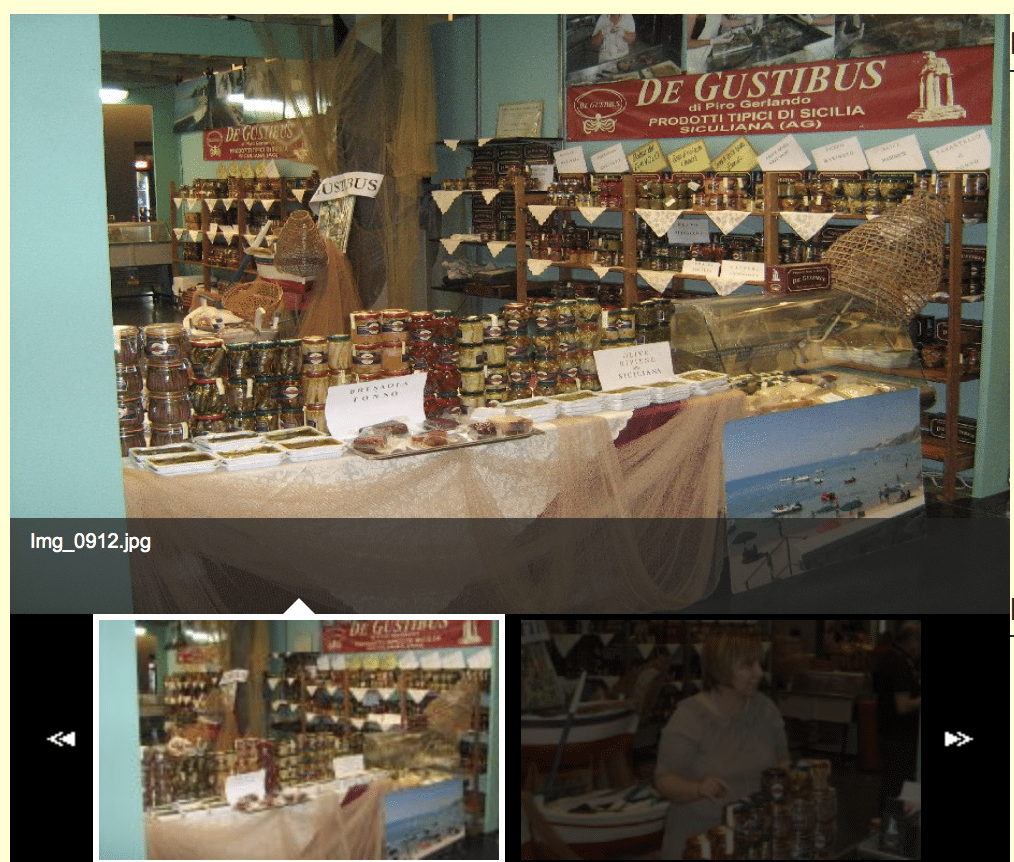
DE GUSTIBUS nasce agli inizi del novecento nella borgata marinara di Siculiana Marina in provincia di Agrigento. Gerlando Piro, patriarca di una delle più antiche famiglie del borgo, lavora il pesce azzurro sotto salamoia usando fusti di castagno. Oggi, i prodotti dell'azienda DE GUSTIBUS , rappresentano nel panorama gastronomico ed alimentare nazionale, l'essenza della tradizione siciliana, fatta di equilibrio tra i sapori tipici del mare e della campagna intorno alla Valle dei Templi.

Palazzo Strozzi a Firenze è uno dei più bei palazzi rinascimentali italiani. Di mole imponente (furono distrutti ben 15 edifici per fargli posto), si trova fra le omonime via Strozzi e piazza Strozzi, e via Tornabuoni, con tre grandiosi portali identici, su altrettanti lati. Vero e proprio capolavoro dell'architettura civile fiorentina del Rinascimento, fu iniziato per volere di Filippo Strozzi, un ricco mercante appartenente a una delle famiglie più facoltose di Firenze, per tradizione ostile alla fazione dei Medici.

Raro is an atelier where bags are designed and developed with traditional artisan techniques, we uphold the rebirth of a centenary heritage as the framework of a modern classic. A romantic soul that directly draws from the past to look at it with renewed eyes: a fresh take on tradition that aims to keep high quality and ancient techniques, combined with minimalist and modern designs, with thoughtful details conceived for everyday life.

The base-concept of Handmade is Cool ...by Il Neonato di Graziella is to transmit, even to the little ones, the love and the warmth of the Made in Italy style, completely handmade, revisited, however, in all original and trendy. Each t-shirt comes from a unique and distinctive theme given by the experience of the ten-year collections, each print comes from an embroidery or an application made with crochet, strictly unique, original and hand made!

Franco Dal Bello, an artisan restorer expert in mortars and lime decorations. He works with the same passion as the first day when he started as a young boy. His wide experience in old buildings helps him solving any difficult situation on facades and in humidity situations using only natural materials.

Giovanni Consolo è un restauratore di mobili antichi, esperto di antiquariato, con la missione di rendere l’arte del restauro semplice per tutti e d’ispirare centinaia di persone a imparare a riconoscere e restaurare con successo i propri mobili antichi. Negli ultimi anni Giovanni grazie alla condivisione d'informazioni didattiche, ha aiutato centinaia di hobbisti a ridare vita ai propri mobili di famiglia e ha fondato “Restauro che Passione“, la più grande piattaforma di formazione digitale sul restauro del mobile antico in lingua Italiana. Se sei alla ricerca di un maestro artigiano che ti aiuti ad eseguire le giuste azioni, con una corretta cronologia, per effettuare il restauro di un mobile antico di “alta qualità” e che ti dica esattamente come fare, allora Giovanni è la persona da seguire. Giovanni è partito svolgendo mansioni umili (“faceva il garzone di bottega e puliva le aree di lavoro”) fino a costruire il suo successo mattone dopo mattone, unicamente con le proprie mani. Zero aiuti, zero colpi di fortuna (anzi, molti fallimenti e notti insonni di mezzo) e nemmeno un atomo di vita lasciato al caso. Pura azione, strategia e tantissime ore di lavoro. Giovanni non accetta scuse, ed è convinto che chiunque ce la può fare, perché non importa da dove parte, ma solo ed unicamente dove vuole arrivare. Giovanni insegna solo cose pratiche. Da lui ti puoi aspettare unicamente metodi, tecniche e ricette che puoi applicare immediatamente per avere risultati fin da subito nel restauro del tuo mobile antico. Spesso ci sono teorici del settore che millantano conoscenze ed esperienze mirabolanti: li vedi di frequente sul web ad esporre concetti teorici di difficile comprensione: non trasmettono né contenuti di valore, né tecniche applicabili in laboratorio per chi sta iniziando. Giovanni invece si batte per la pratica ed insegna ogni singola cosa passo passo, in modo che le azioni derivate dalla tua formazione possano essere replicate anche nei tuoi progetti di restauro futuri. Da molti anni Giovanni si dedica a condividere ogni cosa che ha imparato nel suo lungo viaggio di conoscenza nel campo del restauro. È attivo su tutti i social con video, dirette live e contenuti esclusivi ogni giorno, ed è felice d'insegnare le tecniche che ha applicato per anni nella sua bottega ed è convinto, grazie alla sua esperienza, di poter essere il formatore giusto per tutte le persone alla ricerca di un maestro che li guidi per realizzare grandi o piccoli progetti di restauro.

As a designer of experience, Federica Piccoli focuses on the inter-connection between land, culture, food and wellbeing. Starting from the personality of the producer/locations, the sensory and emotional experiences are focused on recovering personal rhythm and perception of time and space, and on finding the starting point to fully live blissful moments. "The seven senses of wine", "Tasting ∞ Meditation", and "Esperienze immersive di degustazioni erranti" are examples of designed paths. Wine, chocolate, food and well-being is her passion. She is very active in the land of wine in Italy, from Piedmont Monferrato and Barolo down to Puglia Primitivo passing through Chianti and Montalcino in Tuscany. Federica Piccoli lived abroad for many years, these experiences made her appreciate more and more the importance of appreciating little moments of joy through high quality food and wine that she found in her homeland: Italy. She created a format for wine tasting through the cellars where the wine is produced that one must do at lest once in a lifetime.

The thread of the history of Toppino Camini is the pursuit of excellence, which we pursue daily with care and perseverance. Always against the current, Toppino anticipates the times to offer its customers tailored solutions, in compliance with the highest quality standards. In 1930 the family laboratory specializes in the construction of grained products.
.
.

.