

Trieste is a beautiful city and a seaport in northeastern Italy. It is situated towards the end of a narrow strip of Italian territory lying between the Adriatic Sea and Slovenia, which lies approximately 10–15 km (6.2–9.3 mi) south and east of the city. Croatia is some 30 km (19 mi) to the south. Trieste is located at the head of the Gulf of Trieste and throughout history, it has been influenced by its location at the crossroads of Latin, Slavic, and Germanic cultures. Trieste was one of the oldest parts of the Habsburg Monarchy, belonging to it from 1382 until 1918. In the 19th century, the monarchy was one of the Great Powers of Europe and Trieste was its most important seaport. As a prosperous seaport in the Mediterranean region, Trieste became the fourth largest city of the Austro-Hungarian Empire. In the fin de siècle period at the end of the 19th century, it emerged as an important hub for literature and music. Trieste underwent an economic revival during the 1930s, and Trieste was an important spot in the struggle between the Eastern and Western blocs after the Second World War.

Capri, an island in Italy’s Bay of Naples, is famed for its rugged landscape, upscale hotels and shopping, from designer fashions to limoncello and handmade leather sandals. One of its best-known natural sites is the Blue Grotto, a dark cavern where the sea glows electric blue, the result of sunlight passing through an underwater cave. In summer, Capri's dramatic, cove-studded coastline draws many yachts. The island of Capri is famous for a reason. All those celebrities on yachts anchored in the Marina Grande really do know something you don’t. Capri is an island that has it all; jaw-dropping natural beauty, a see and be seen scene, amazing cuisine, world-class shopping and water in colors you have to see to believe. These are our top 12 reasons to put Capri on your bucket list.

Le Case del Principe are located on the beautiful and enchanting island of Pantelleria, in the heart of the Mediterranean Sea, between Sicily and North Africa. Our houses were built in the ’70s by Prince Paolo Sallier de La Tour and his wife Costanza, who created this little oasis of peace and relaxation in the place they loved. We have seven “dammusi”, as the stone-built houses typical of Pantelleria are called, each far enough from one other to ensure its own privacy and silence. Ariane runs the hospitality. She loves flowers and nature, silence and colours, and the emotions aroused by the sea. She loves Pantelleria with its dense and vivid colors, the deep blue of the sky which seems almost possible to touch where it merges with the sea, the bright green of the vegetation in all seasons, all the scents of the island, the intense colours of the flowers sprouting from the black volcanic rocks, and the harsh summer light. A landscape that has always been part of her world, and it is the refuge of her soul.

Pompeii was an ancient Roman city located in the modern comune of Pompei near Naples in the Campania region of Italy. Pompeii, along with Herculaneum and many villas in the surrounding area, was buried under 4 to 6 m (13 to 20 ft) of volcanic ash and pumice in the eruption of Mount Vesuvius in AD 79. Largely preserved under the ash, the excavated city offers a unique snapshot of Roman life, frozen at the moment it was buried and providing an extraordinarily detailed insight into the everyday life of its inhabitants. It was a wealthy town, enjoying many fine public buildings and luxurious private houses with lavish decorations, furnishings and works of art which were the main attractions for the early excavators. Organic remains, including wooden objects and human bodies, were entombed in the ash and decayed leaving voids that archaeologists found could be used as moulds to make plaster casts of unique and often gruesome figures in their final moments of life. The numerous graffiti carved on the walls and inside rooms provide a wealth of examples of the largely lost Vulgar Latin spoken colloquially at the time, contrasting with the formal language of the classical writers. Pompeii is a UNESCO World Heritage Site status and is one of the most popular tourist attractions in Italy, with approximately 2.5 million visitors annually.

VeniceGreen pensa, racconta e realizza storie di verde, storie di giardini e spazi che invochino bellezza, benessere e armonia nella natura. Quella sensazione che si prova in un ambiente green è ciò che contraddistingue la sensibilità per il verde, la connessione con la Natura. La nostra attitudine è di seguire e proporre quella sensazione. Il nostro è un green mood che decliniamo e plasmiamo sulle esigenze di chi, con noi, vuol costruire la sua “emozione verde”. VeniceGreen è una realtà oggi, che unisce tre aziende storiche del panorama veneziano (GreenService, StudioGiardino e Idrogarden e Idroponico) offrendo risposta a 360° in tema di cura, progettazione del verde e realizzazione di “idee e spazi verdi”, interni ed esterni.

At Sacred Nature, we specialise in high-quality, intimate tours where we delve into the most remarkable medicinal plant sanctuaries on earth. From tropical rainforests, high and wild mountains, to the poetic and rich landscapes of Provence, you will have an authentic experience connecting with mystical cultures who maintain a deep connection with nature and spirit alike and who still possess ancient wisdom that so many have forgotten. More than a tour, what we offer are sacred journeys, where you will not only discover the healing power of medicinal herbs, ancient healing practices, and different cultural traditions but rediscover your own sacred nature. We are sure you will live a transformative and authentic adventure where you will deepen your connection with nature and with yourself. Sacred Nature was founded by Alicia and Guillaume. Both sharing a deep passion for travel, nature and natural ways of living, they discovered the healing world of plants. Enthused and amazed by how powerful Nature’s ability to heal is, they decided to quit the rat race and make their passions their daily reality.

The Vatican Museums (Italian: Musei Vaticani; Latin: Musea Vaticana) are Christian art museums located within the city boundaries of the Vatican City. They display works from the immense collection amassed by popes throughout the centuries, including several of the most renowned Roman sculptures and most important masterpieces of Renaissance art in the world. The museums contain roughly 70,000 works, of which 20,000 are on display, and currently employ 640 people who work in 40 different administrative, scholarly, and restoration departments. Pope Julius II founded the museums in the early 16th century. The Sistine Chapel, with its ceiling decorated by Michelangelo and the Stanze di Raffaello decorated by Raphael, are on the visitor route through the Vatican Museums. In 2017, they were visited by six million people, which combined makes them the 4th most visited art museum in the world. They are one of the largest museums in the world. There are 54 galleries, or sale, in total, with the Sistine Chapel, notably, being the very last sala within the Museum.

Lo studio santagiuliaDesign dell' Arch. Carlo Nonnis progetta e realizza arredi per interni su commissione. Attraverso contaminazioni tra vecchio e nuovo, offre la possibilità a chi lo desideri, di rendere unico ed originale un elemento d'arredo in proprio possesso. Il mobile vecchio o malandato, da disegno superato o più semplicemente inadatto all'ambiente circostante, viene elaborato nella forma, colore ed impiego abituale. Il processo di trasformazione a volte radicale, mira alla creazione di un oggetto nuovo ed inaspettato, verso forme insolite e volumi insospettabili.
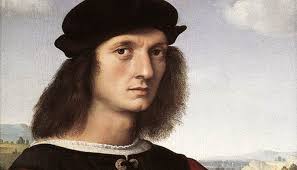
Raffaello Sanzio ( Urbino, 28 March 1483 - Rome, 6 April 1520 ) was a painter and architect Italian, among the most famous of the Renaissance. Considered one of the greatest artists of all time, his work marked an essential path for all subsequent painters and was of vital importance for the development of the artistic language of the centuries to come, giving life to a school that made art "in its own way" and that goes by the name of mannerism . A fundamental model for all the academies until the first half of the nineteenth century, its influence can also be seen in 20th century painters such as Salvador Dalí. His major paintings are in the Uffizi Museum in Florence.

Il Castello di Limatola, che sovrasta l’antico borgo medioevale, si trova a guardia della valle solcata dal fiume Volturno, tra il massiccio del Taburno, il monte Maggiore ed i monti Tifatini. Sorge su una collina che sovrasta il Borgo, in posizione strategica. Venne edificato dai Normanni sui resti di un’antica torre longobarda. Al 1277 risalgono gli interventi promossi da Carlo I d’Angiò, da riconoscersi negli ambienti a volte ogivali contigui alla parte più antica della struttura corrispondente al mastio di forma rettangolare. Ai Conti Della Ratta, feudatari di Limatola dal 1420, sono ascrivibili gli interventi sulla cinta muraria più esterna e di ristrutturazione ed ampliamenti attuati in alcuni ambienti sulle scale e sulle logge, di gusto rinascimentale. Grazie al progetto di riqualificazione terminato nel 2010, portato avanti con grande profusione di impegno ed energie, dalla famiglia Sgueglia, attuale proprietaria dell’antica fortezza , il Castello di Limatola, rappresenta oggi un prestigioso punto di interesse storico, artistico e culturale. Da oggi la proposta del Castello di Limatola si arricchisce: chi pernotta in una delle suites potrà usufruire della nostra SPA. Nel periodo natalizio dall'8 novembre all'8 dicembre il mercatino di Natale vede più di 250mila visitatori aggirarsi nelle meravigliose sale e nei giardini.

For over a thousand years, the Castello di Masino has dominated the vast Canavese plain from a height in front of the suggestive morainic barrier of the Serra di Ivrea, an intact and infinite landscape. This strategic position cost the manor frequent disputes, but the noble family of the Valperga, which tradition has descended from Arduino, known in legend as the first king of Italy, kept it from the beginning, documented as early as 1070. Over the centuries the illustrious family converted the castle into an aristocratic residence, then into an elegant holiday residence. All around, a monumental romantic park with one of the largest labyrinths in Italy, a majestic tree-lined avenue, large clearings, and scenic corners that in spring are flooded with exceptional blooms. Going to visit Masino gives each time a different experience: from visiting the Castle, according to different formulas, to a day outdoors to experience the Park or, again, one of the many events organized along the course of the year, perhaps enjoying of the panoramic cafeteria. Also in the company of children, who can have fun with the treasure hunt or visit the Carriage Museum, the Torre dei Venti.

La Perla di Torino links its name to the Piedmont sweet tradition, celebrating quality chocolate in one of the most beloved historical expressions in the MOLE building city: chocolate truffles. With the first 3 creations La Perla Nera, La Perla Bianca and the dark chocolate truffle Extreme, today iconic products, the founder of the artisanal laboratory Sergio Arzilli wanted to celebrate Torino, its adoptive city. He started a path oriented in valorizing traditional chocolate truffle and inventive creations, that in over 25 years of activity conquered the attention – and the palate – of Italian and international gourmands. Sergio Arzilli’s history is a story of success born from a glitch: being diagnosed gluten intolerant, at 38 years old realizes that he cannot continue to work as a pastry chef in the family patisserie. With the intention of not leaving this background experience, he decided to deepen the chocolate world, transforming his curiosity in a continuous exploration itinerary. His passion for good chocolate, transmitted to his daughter Valentina that today, next to him, leads the company, can be translated in high standard of excellence in La Perla di Torino’s laboratory. Each chocolate truffle and each recipe are prepared, today as before, with high quality ingredients and with process that respect the raw materials, to glorify perfumes and flavours.

Nella Scuola di Cucina più glamour di Torino organizziamo corsi di cucina amatoriale adatti a tutti gli appassionati che desiderino approcciarsi a questo mondo, partendo dalle basi, per momenti conviviali di apprendimento e divertimento. La programmazione dei corsi, in continuo aggiornamento, permette di scegliere tra diversi argomenti, tutti coinvolgenti e svolti da docenti qualificati. Dai corsi per bambini, ai corsi di team building per professionisti. I corsi di cucina cofinanziati dalla Città Metropolitana di Torino, invece, danno la possibilità di partecipare a percorsi più duraturi, il cui costo è coperto al 70% dall’ente, e solo per la restante parte a carico dell’iscritto.

Dalai Lama is a title given by the Tibetan people for the foremost spiritual leader of the Gelug or "Yellow Hat" school of Tibetan Buddhism, the newest of the classical schools of Tibetan Buddhism. The 14th and current Dalai Lama is Tenzin Gyatso, who lives as a refugee in India. Bodhisattvas are realized beings, inspired by the wish to attain complete enlightenment, who have vowed to be reborn in the world to help all living beings.

In Italy, panettone comes with an often varied history, but one that invariably states that its birthplace was Milan. The word "panettone" derives from the Italian word "panetto", a small loaf cake. The augmentative Italian suffix "-one" changes the meaning to "large cake". The origins of this cake appear to be ancient, dating back to the Roman Empire, when ancient Romans sweetened a type of leavened cake with honey. In the early 20th century, two enterprising Milanese bakers began to produce panettone in large quantities in the rest of Italy. In 1919, Angelo Motta started producing his eponymous brand of cakes. It was also Motta who revolutionized the traditional panettone by giving it its tall domed shape by making the dough rise three times, for almost 20 hours, before cooking, giving it its now-familiar light texture. The recipe was adapted shortly after by another baker, Gioacchino Alemagna, around 1925, who also gave his name to a popular brand that still exists today. Specially baked for Christmas, you'll find many different types everywhere in Italy.
ARTedilia works in every aspect of restoration with passion and professionalism. The personnel of the firm is divided into specif c teams depending on their skills. The working group for the architectural area is primarily employed in wooden building such as floors, roof, covering and false ceiling, restoration of walling or mixed elevation structures; foundation consolidation utilizing foundation underpinning, curbs and micro piles; furthermore, this team is specialized in plaster or marble finishing always according to the latest techniques developed in the sector thanks to a constant updating and experience. The artistic restoration team is specialized in the recovery of frescos and painting and also in the recovery of wood and stone elements. One of the requirements for obtaining excellent results is the constant training and learning in which all the employees are involved. All the company’s employees take part in a periodical meeting about construction. ARTedilia has developed another activity in addition to high-level restoration work. This activity concern the luxury constructions of hotels, Spa, private house, residences both national and international.

Adriano Olivetti (1901 – 1960) è stato un imprenditore, ingegnere e politico italiano, figlio di Camillo Olivetti fondatore della prima fabbrica italiana di macchine per scrivere. Uomo di grande e singolare rilievo nella storia italiana del secondo dopoguerra, si distinse per i suoi innovativi progetti industriali basati sul principio secondo cui il profitto aziendale deve essere reinvestito a beneficio della comunità. Adriano Olivetti riuscì a creare nel secondo dopoguerra italiano un'esperienza di fabbrica nuova e unica al mondo in un periodo storico in cui si fronteggiavano due grandi potenze: capitalismo e comunismo. Olivetti credeva che fosse possibile creare un equilibrio tra solidarietà sociale e profitto, tanto che l'organizzazione del lavoro comprendeva un'idea di felicità collettiva che generava efficienza. Gli operai vivevano in condizioni migliori rispetto alle altre grandi fabbriche italiane: ricevevano salari più alti, vi erano asili e abitazioni vicino alla fabbrica che rispettavano la bellezza dell'ambiente, i dipendenti godevano di convenzioni. Per tutelare e promuovere la figura di Adriano Olivetti e il suo pensiero gli eredi hanno costituito nel 1962 la Fondazione Adriano Olivetti con sede a Roma e a Ivrea. "Adriano Olivetti" è un marchio registrato, depositato nel 2018 dalla Fondazione Adriano Olivetti. Adriano Olivetti (1901 - 1960) was an Italian entrepreneur, engineer and politician, son of Camillo Olivetti, founder of the first Italian typewriter factory. A man of great and singular importance in post-World War II Italian history, he distinguished himself for his innovative industrial projects based on the principle that corporate profits must be reinvested for the benefit of the community. Adriano Olivetti succeeded in creating a new and unique factory experience in the world after the Second World War in a historical period in which two great powers were facing each other: capitalism and communism. Olivetti believed that it was possible to create a balance between social solidarity and profit, so much so that the organization of work included an idea of collective happiness that generated efficiency. The workers lived in better conditions than the other large Italian factories: they received higher wages, there were kindergartens and houses near the factory that respected the beauty of the environment, the employees enjoyed agreements. To protect and promote the figure of Adriano Olivetti and his thoughts, the heirs set up the Adriano Olivetti Foundation in 1962 with offices in Rome and Ivrea. "Adriano Olivetti" is a registered trademark, filed in 2018 by the Adriano Olivetti Foundation.
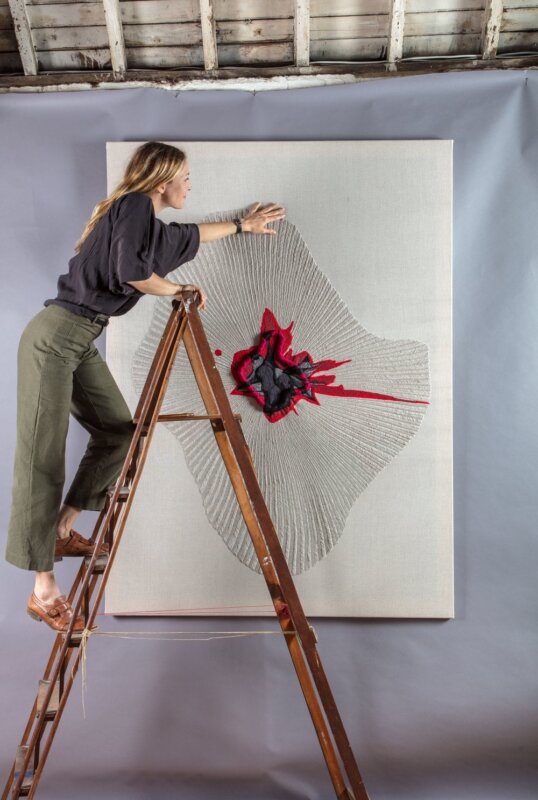
Carolina Mazzolari is a Milanese artist known for her multidisciplinary practice involving textile manipulation, painting, photography, video and performance. I visited the studio she shares with her husband Conrad Shawcross in Clapton, London and left feeling both uplifted and inspired by her practice. While her range of mediums in extensive, Mazzolari is formally trained as a textile artist, graduating from the Chelsea College of Art in 2003; with a focus on dyeing techniques and screen printing. As her primary medium, Mazzolari’s textiles are identifiable by their extraordinary level of craftsmanship and detail - often addressing the emotionally charged concepts of grief, love and struggle. She is inspired by psychoanalysis, intuition, cognition, human behavior, and emotional development. Often addressing deep human emotions such as loss, grief, love, and struggle, her works exude an overwhelming power, making memory and the unconscious physical and tangible.

Once owned by the Pesaro family, this large Gothic palazzo in Campo San Beneto, was transformed by Mariano Fortuny into his own atelier of photography, stage-design, textile-design, and painting. The building retains the rooms and structures created by Fortuny, together with tapestries and collections. The working environment of Mariano Fortuny is represented through precious wall-hangings, paintings, and the famous lamps – all objects that testify to the artist’s inspiration and still give a count of his eclectic work and of his presence on the intellectual and artistic scene at the turn of the 19th century. The collections within the museum comprise an extensive number of pieces and materials which reflect the various fields investigated in the artist’s work organized under certain specific headings: painting, light, photography, textiles and grand garments.

The family-run F.lli Buonannata farm grows, works and ships Sicilian citrus fruits to Italy and, on request, also abroad. In this part of Sicily, in the province of Syracuse, the smell of lemons and oranges pervades the entire farm making these unique jewels their strong point for the flavor. The passion for agriculture and dedication to a work handed down from generation to generation makes the agricultural work in the F.lli Buonannata farm the true leitmotif of every single part committed to the cultivation of the vast fields belonging to the farmers family working in the province of Syracuse. A loving effort conducted under the warm sun of Sicily is what carries out this business reality, rising in the fertile valley of the Anapo and turning out to be a goodness production center. The recognized value for lemons and oranges of the family-run Fratelli Buonannata Farm is confirmed by the possibility of making numerous recipes inspired by the authenticity of these products in accordance with the principles of seasonality, sustainability, and quality.
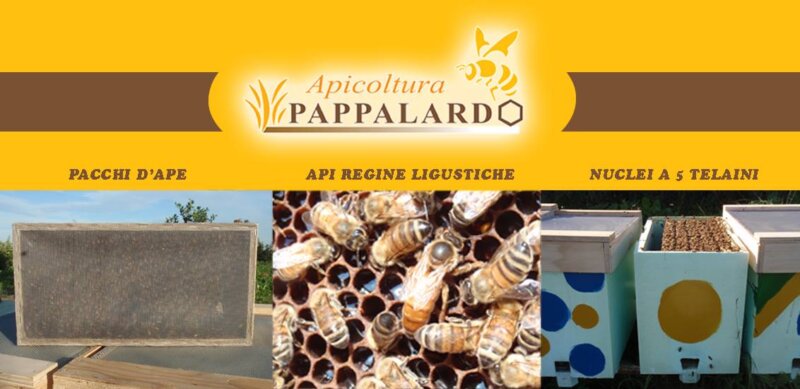
Apicoltura Pappalaro da tre generazioni, dal 1925, in Sicilia, precisamente a Floridia, tra agrumeti di arance e limoni, produce un miele naturale profumatissimo senza aggiunta di zucchero. Nel tempo le tecniche lavorative si sono rafforzate e migliorate L’Azienda si trova nella Sicilia sud-orientale, precisamente a Floridia in provincia di Siracusa, tra gli agrumeti di arance e limoni.

The Falkland Islands consist of two main islands and several hundred smaller islands in the South Atlantic Ocean, off the east coast of southern South America. They are a United Kingdom Overseas Territory, but nearby Argentina claims jurisdiction under the name Islas Malvinas. Most visitors to the islands come between October and March (Southern Hemisphere summer) to enjoy the spectacular wildlife and quaint rural lifestyle. The windswept and almost-treeless territory is made up of two main islands, East Falkland and West Falkland, as well as hundreds of smaller islands and islet. The most popular reason to visit is for the scenic beauty and the flora and fauna. Conservation is high on the islands' agenda. Bird and marine species are the most prevalent fauna and include five species of penguin, four species of seal, albatross, petrels, the Falkland flightless steamer duck (logger duck), other duck species, geese, hawks and falcons. The striated caracara (johnny rook) is a rare bird of prey found only on the Falkland Islands and some islands off Cape Horn. Porpoises and dolphins are often sighted, with the occasional sighting of whales.

Casa Badellino, a hotel with a traditional restaurant, is situated in the old heart of Bra, a small town at the foot of the Langa and Roero hills in Piedmont, in northwest Italy. Whether you come for tourism or for business, it’s an ideal setting for a pleasant stay. Casa Badellino awaits you with all the charm of a place that has conserved the architectural style of the local tradition, where time has stood still and the pleasures of the Italian way of life survive intact. A converted townhouse with a traditional courtyard balcony, Casa Badellino welcomes you with all mod cons and exclusive services in the warm and cozy atmosphere Giacomo and Marilena have managed to preserve in the heart of a Slow City, par excellence.
From the study of the ancient techniques of building, formulation, and production of specific materials for historical, archaeological, monumental restoration and sustainable construction. Calchèra San Giorgio Research and Formulation Center studies and produces specialist materials for restoration, structural consolidation, and renewal of buildings of historical interest. Our focus is developed according to project requirements, historic building techniques and local traditional materials that characterize the physical quality of the structure and its associated culture. We produce mortars, plasters, leveling mortars, coatings, paints, and finishing: breathable, biocompatible and sustainable, free from substances harmful to health and the environment.
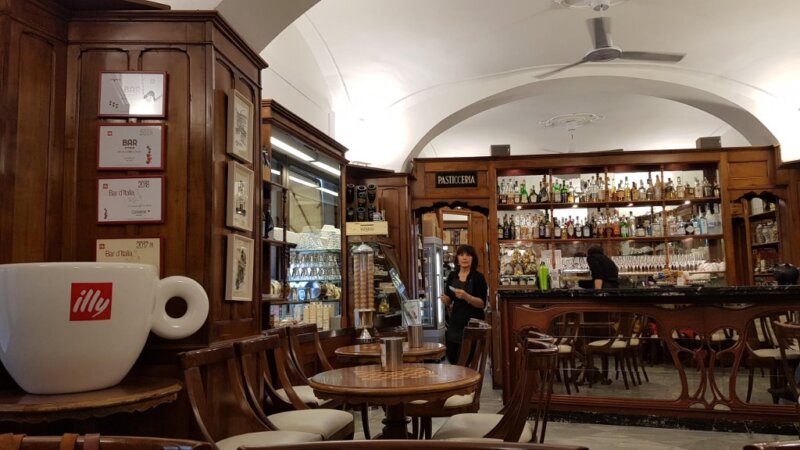
Il Bar Pasticceria Converso prende il via nel lontano 1838, grazie ad una licenza di esercizio di confetteria, ottenuta dal capostipite della famiglia Converso. Ma è agli albori del secolo che Felice Converso, il nipote del fondatore, apre nella centralissima via Vittorio Emanuele, la liquoreria, nonché Bar Pasticceria Gelateria di Bra, di cui ancora porta il nome. Successivamente divenuto luogo di ritrovo degli anni novanta di proprietà della famiglia Boglione, oggi il Bar si effigia di un riconoscimento di tutto rispetto, infatti, grazie ai suoi illustri trascorsi storici e grazie all’unicità dei suoi interni, è diventato membro dei "Locali storici d'Italia", associazione patrocinata dal Ministero per i Beni e le Attività Culturali. Tutt’ora vengono riproposte le classiche specialità come: le caramelle genziana e menta, la pasticceria mignon dolce e salata, la pralineria, i braidesi di cioccolato al rhum, i gianduiotti, i gelati, i marron glace, i panettoni al moscato senza canditi, ma con un impasto arricchito da uvetta macerata nel moscato ed altre sorprese di fantasia dolciaria.
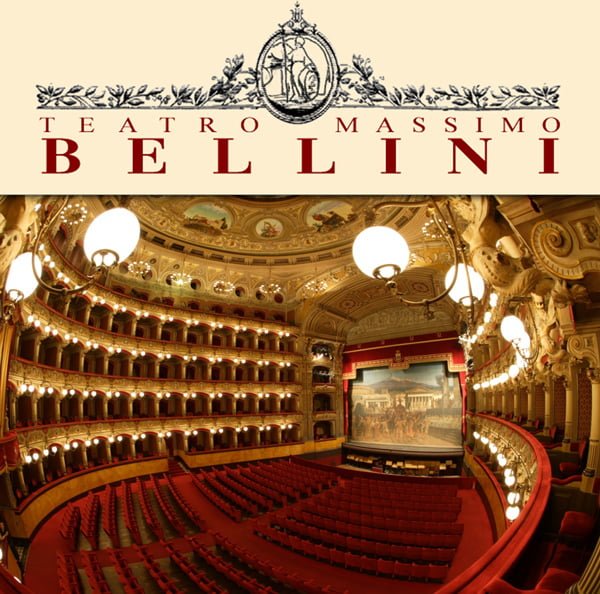
The Teatro Massimo Bellini is an opera house in Catania, Sicily, southern Italy. Named after the local-born composer Vincenzo Bellini, it was inaugurated on 31 May 1890 with a performance of the composer's masterwork, Norma. The creation of what was to finally become the Teatro Massimo Bellini took almost two hundred years, beginning with discussions following the disastrous 1693 earthquake which completely destroyed Catania. The construction of a public theatre was discussed, and a foundation stone was finally laid in 1812. Throughout its history, the opera house has performed almost all of Bellini's work. From its beginnings, a wide variety of operas have been performed by some highly renowned singers. In 1951, to mark the 150th anniversary of the birth of Bellini, Maria Callas sang Norma, repeating her success in 1952 and 1953. In recent years, there has been an infusion of about $2 million, leading to the celebration of the Bellini bicentennial during the 2001 season and to a major renovation of the house.

The Cassa di Risparmio di Torino Foundation, or Fondazione CRT is a private, non-profit legal entity, endowed with full statutory and management autonomy. He has always held an important social function of redistribution of wealth, both in the form of charity in the strict sense, and also alongside public initiatives. The Foundation exclusively pursues aims of social utility and promotion of economic development, directing its activity and allocating resources in the fields of scientific research, education, art, conservation and enhancement of cultural assets and activities and environmental assets, health care and assistance to weak social categories. The Foundation’s operational area is mainly composed of Piedmont and Valle d’Aosta. Fondazione CRT è un ente privato non profit nato nel 1991 e da 30 anni è un “motore” di sviluppo e crescita del Piemonte e della Valle d’Aosta. Grazie a progetti e risorse proprie, è impegnata costantemente nella valorizzazione dei beni artistici e culturali, nella ricerca scientifica e la formazione dei giovani, l’imprenditoria sociale e l’assistenza, la salvaguardia dell’ambiente e delle persone.
Susan Kleinberg is a New York-based artist. Her latest video installation piece, HELIX, derived from her work with the scientific team of the Louvre in April 2018, premiered in at the Museo Internazionale delle marionette Antonio Pasqualino in Palermo, Italy on June 2018, coinciding with Manifesta 2018 in Palermo. Susan works for a better world. She spoke with a wide range of people, primarily the least visible in our society, about what would make for a better world. The still photographs, which I took afterwards, were linked to the audio on a DVD. The densely colored DVD runs on plasma screens mounted on the walls. Hanging from the ceiling were painted Chinese fans with the photographs of the participants embedded into them. Visitors fanned themselves in the warm Turkish breeze, as they watched and listened.

The complex of Santa Maria Novella, one of the most beautiful and famous art treasures in Florence, by its nature is either a religious and a museum site. It has currently a new form that seeks to harmonize both the functions. Basilica of Santa Maria Novella was founded by the monks of Dominican Order in the first half of the thirteenth century, becoming one of the most important points of religious and artistic interest in Italy. The celebrity of Santa Maria Novella during the Middle Ages and Renaissance period attracted important artists such as Giotto, Brunelleschi, Masaccio, Michelangelo, Ghirlandaio, Botticelli and Vasari (just name a few), who realized beautiful artworks inside the complex. This particular artistic and religious fortune bound forever the place to its artwork.
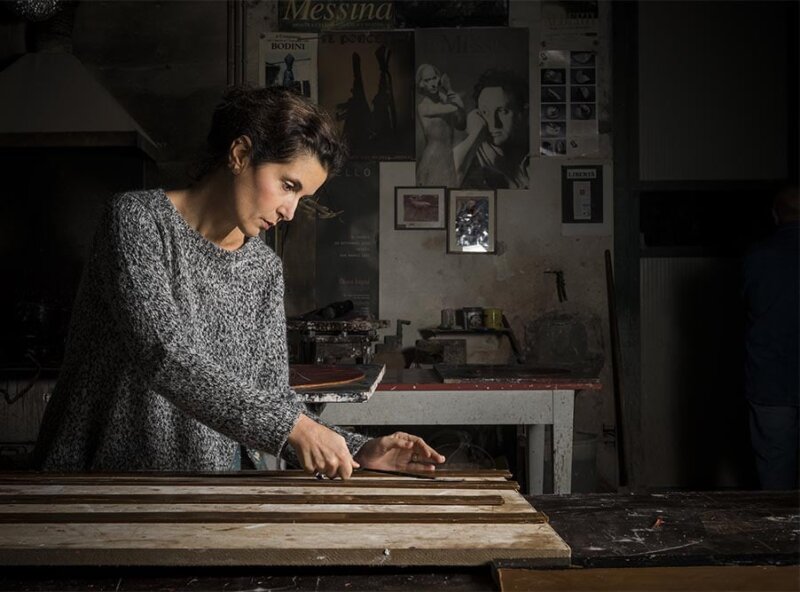
During her childhood in Rome, Osanna and her sister Turchese would play with pieces of art created for their mother by Lucio Fontana, Mario Ceroli and Arnaldo Pomodoro. It could be said that the pieces she creates today are inspired by those wonderful memories, or, maybe, are a result of her own femininity….or maybe both. In recent years, Osanna's attention has focused increasingly on objects and furnishings. Artisanally made, every creation is modeled by hand from wax which is then fused in art foundry. Creations conceived as sculptures, metals blended to create flashes of antique gold: An aesthetic of exclusivity, research on forms and desire to explore shapes are integral parts that inform Osanna Visconti di Modrone designs.
.
.

.