
.
Listings
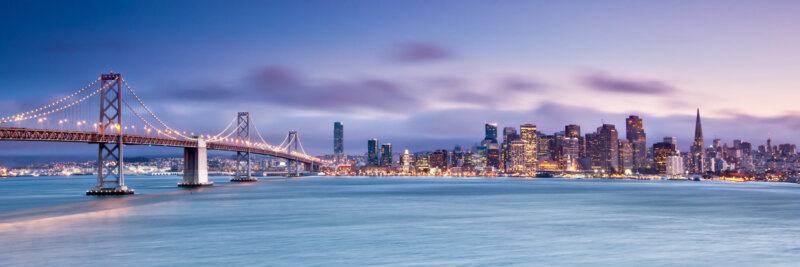
San Francisco, in northern California, is a hilltop town located at the tip of a peninsula surrounded by the Pacific Ocean and the San Francisco Bay. In addition to the perennial fog, it is also famous for the Golden Gate Bridge, trams and Victorian houses with a thousand colors. The Transamerica Pyramid, in the financial district, is the most famous skyscraper in the city. Frisco is home to a little bit of everything. Whether you're a first time visitor or a long-time local, San Francisco's Golden Gates welcome all

Nottingham is a city in central England’s Midlands region. It’s known for its role in the Robin Hood legend and for the hilltop Nottingham Castle Museum and Art Gallery, rebuilt many times since the medieval era. In the Lace Market area, once the center of the world’s lace industry, the Galleries of Justice Museum has crime-related exhibits. Wollaton Hall is an ornate Elizabethan mansion with gardens and a deer park.

New York City comprises 5 boroughs sitting where the Hudson River meets the Atlantic Ocean. At its core is Manhattan, a densely populated borough that’s among the world’s major commercial, financial and cultural centers. Its iconic sites include skyscrapers such as the Empire State Building and sprawling Central Park. Broadway theater is staged in neon-lit Times Square.

Guglielmo Marconi, Premio Nobel per la Fisica nel 1909, effettuò la prima trasmissione radiotelegrafica effettuata il 1903 con un trasmettitore a scintilla. Marconi individuò nella zona di Coltano tra Pisa e Livorno il luogo adatto per costruire la prima stazione radio italiana a onde lunghe. Coloro che arrivando da Livorno e da Pisa entrano nel territorio di Coltano, si trovano davanti a dimensioni senza spazio e senza tempo con l’impressione di giungere in un altro pianeta, un piccolo borgo ricco di storia e circondato da un ambiente dove l’uomo non ha completamente vinto sulla natura. Le origini di Coltano Marconi si perdono nel tempo. Solamente con l’arrivo dei Granduchi Medicei iniziò quel percorso che in molti decenni portò al miglioramento del territorio, soprattutto con la costruzione della Villa Medicea. Oggi necessita di essere valorizzato aiutando la Proloco di Coltano che ha fatto e fa già tantissimo. (1) Guglielmo Marconi, Nobel Prize in Physics in 1909, made the first radiotelegraphic transmission carried out in 1903 with a spark transmitter. Marconi identified the right place in the Coltano area between Pisa and Livorno to build the first Italian longwave radio station. Those who arrive from Livorno and Pisa enter the territory of Coltano, find themselves in front of dimensions without space and time with the impression of reaching another planet, a small village rich in history and surrounded by an environment where man has not completely won over nature. The origins of Coltano Marconi are lost in time. Only with the arrival of the Medici Grand Dukes did the path begin which in many decades led to the improvement of the territory, especially with the construction of the Medici Villa. Today it needs to be enhanced by helping the Proloco di Coltano that has done and already does a lot.

Shoreham-by-Sea is a seaside town and port in West Sussex, England. The town is bordered to its north by the South Downs, to its west by the Adur Valley and to its south by the River Adur and Shoreham Beach on the English Channel.

Matera è una città tra le più antiche del mondo il cui territorio custodisce testimonianze di insediamenti umani a partire dal paleolitico e senza interruzioni fino ai nostri giorni. Rappresenta una pagina straordinaria scritta dall’uomo attraverso i millenni di questa lunghissima storia.Nel 1993 l’UNESCO dichiara i Sassi di Matera Patrimonio Mondiale dell’Umanità I Sassi di Matera sono il 6° sito in Italia in ordine cronologico, il primo nel meridione. In occasione di questa iscrizione, per la prima volta l’UNESCO utilizza nei criteri e nelle motivazioni il concetto di Paesaggio Culturale, che in seguito verrà utilizzato per motivare l’iscrizione di altri siti nel mondo. Matera è stata designata Capitale Europea della Cultura per il 2019. Matera è al centro di un incredibile paesaggio rupestre che conserva un grande patrimonio di cultura e tradizioni, ed è sede di eventi espositivi di grande prestigio nazionale ed internazionale. L’architettura irripetibile dei Sassi di Matera racconta la capacità dell’uomo di adattarsi perfettamente all’ambiente e al contesto naturale, utilizzando con maestria semplici caratteristiche come la temperatura costante degli ambienti scavati, la calcarenite stessa del banco roccioso per la costruzione delle abitazioni fuori terra e l’utilizzo dei pendii per il controllo delle acque e dei fenomeni meteorici. La struttura architettonica è costituita da due sistemi, quello immediamente visibile realizzato con le stratificazioni successive di abitazioni, corti, ballotoi, palazzi, chiese, strade orti e giardini, e quello interno e invisibile a prima vista costituito da cisterne, neviere, grotte cunicoli e sistemi di controllo delle acque, sistemi essenziali per la vita e la ricchezza della comunità. Originariamente i Sassi di Matera erano un ambiente rupestre molto simile a quello dove si trova il Parco di fronte sull’altro lato del canyon scavato dalla Gravina di Matera. Il versante dei Sassi, quello occidentale è caratterizzato in basso da pareti ripide che si affacciano sul torrente. In alto il versante presenta una serie di terrazzamenti, colline e pianori più adatti all’insediamento umano, luoghi che nel corso dei millenni sono stati trasformati da villaggi rupestri in una vera e propria città. I primi insediamenti umani nel territorio di Matera risalgono al paleolitico e si svilupparono utilizzando le grotte naturali che in gran numero definiscono il paesaggio rupestre di Matera. Nel corso del tempo alle grotte naturali si sono aggiunte quelle scavate dall’uomo che ha trovato nella friabile roccia tufacea una eccezzionale possibilità di insediamento al riparo dagli agenti naturali. I complessi rupestri hanno costituito la prima forma del nucleo urbano con ambienti ancora oggi presenti inglobati dentro edifici e fabbricati costruiti fuori terra dal medioevo in poi. I Sassi di Matera sorgono su uno dei versanti di un canyon scavato nel tempo dal torrente Gravina. Sull’altro versante si estende il Parco Archeologico Storico Naturale delle Chiese Rupestri del Materano anche conosciuto come Parco della Murgia Materana, il cui paesaggio rappresenta il contesto originario dei luoghi, sviluppatosi nel tempo con gli insediamenti urbani soltanto sul versante dei Sassi. Il Parco custodisce gli insediamenti più antichi del territorio. Tra questi la Grotta dei Pipistrelli i cui ritrovamenti paleolitici sono conservati presso il Museo Nazionale Domenico Ridola a Matera, i villaggi neolitici di Murgecchia, Murgia Timone e Trasanello a nord e i villaggi rupestri della Selva, il villaggio Saraceno a Sud. Visitare i Sassi di Matera Oggi i Sassi di Matera offrono al visitatore un grande paesaggio culturale, motivo per il quale l’UNESCO li ha inseriti nella lista del Patrimonio Mondiale.Dal punto di vista architettonico presentano una serie incredibile di elementi che si sono stratificati nel tempo, dai complessi rupestri scavati dall’uomo, alle chiese rupestri, aree di sepoltura, che si alternano continuamente con fabbricati di tutte le diverse ere: medioevo, rinascimento, barocco fino all’epoca moderna. Il visitatore troverà in continuità grotte, ipogei, palazzotti, chiese, vicinati, scalinate, ballatoi, giardini e orti tutti incastonati l’uno nell’altro a formare un luogo unico e magico. Passeggiando lungo l’asse principale che collega i due rioni Sassi via Bruno Buozzi, via Madonna delle Virtù e via D’Addozio è possibile attraversare questo paesaggio e ammirare nello stesso tempo quello del versante opposto del Parco della Murgia Materana. E’ possibile salire e scendere dai numerosissimi vicoli che si alternano tra gli edifici e trovarsi in angoli sempre diversi e sorprendenti. Matera è la città dei Sassi, il nucleo urbano originario, sviluppatosi a partire dalle grotte naturali scavate nella roccia e successivamente modellate in strutture sempre più complesse all’interno di due grandi anfiteatri naturali che sono il Sasso Caveoso e il Sasso Barisano.

Genoa, Genova in Italian, is the capital of the Italian region of Liguria and the sixth-largest city in Italy. It is known for its important role in maritime trade over many centuries. In the historic center is the Cathedral of San Lorenzo, in Romanesque style, with a black and white striped façade and frescoed interiors. Narrow streets lead to monumental squares like the Piazza de Ferrari, with its characteristic bronze fountain and the Carlo Felice opera house. It has the biggest ancient city centre, still remained as it was through the centuries. Famous all over the world for its handmade focaccia. On the Gulf of Genoa in the Ligurian Sea, Genoa has historically been one of the most important ports on the Mediterranean: it is currently the busiest in Italy and in the Mediterranean Sea and twelfth-busiest in the European Union. Genoa was the capital of one of the most powerful maritime republics for over seven centuries, from the 11th century to 1797. Particularly from the 12th century to the 15th century, the city played a leading role in the commercial trade in Europe, becoming one of the largest naval powers of the continent and considered among the wealthiest cities in the world. It was also nicknamed la Superba ("the proud one") by Petrarch due to its glories on the seas and impressive landmarks. The city has hosted massive shipyards and steelworks since the 19th century, and its solid financial sector dates back to the Middle Ages. The Bank of Saint George, founded in 1407, is the oldest known state deposit bank in the world and has played an important role in the city's prosperity since the middle of the 15th century. The historical center, also known as old town, of Genoa is one of the largest and most-densely populated in Europe. Part of it was also inscribed on the World Heritage List (UNESCO) in 2006 as Genoa: Le Strade Nuove and the system of the Palazzi dei Rolli. Genoa's historical city centre is also known for its narrow lanes and streets that the locals call "caruggi". Genoa is also home to the University of Genoa, which has a history going back to the 15th century, when it was known as Genuense Athenaeum. The city's rich cultural history in art, music and cuisine allowed it to become the 2004 European Capital of Culture. It is the birthplace of Guglielmo Embriaco, Christopher Columbus, Andrea Doria, Niccolò Paganini, Giuseppe Mazzini, Renzo Piano and Grimaldo Canella, founder of the House of Grimaldi, among others. Genoa, which forms the southern corner of the Milan-Turin-Genoa industrial triangle of Northwest Italy, is one of the country's major economic centers. A number of leading Italian companies are based in the city, including Fincantieri, Selex ES, Ansaldo Energia, Ansaldo STS, Edoardo Raffinerie Garrone, Piaggio Aerospace, Mediterranean Shipping Company and Costa Cruises.
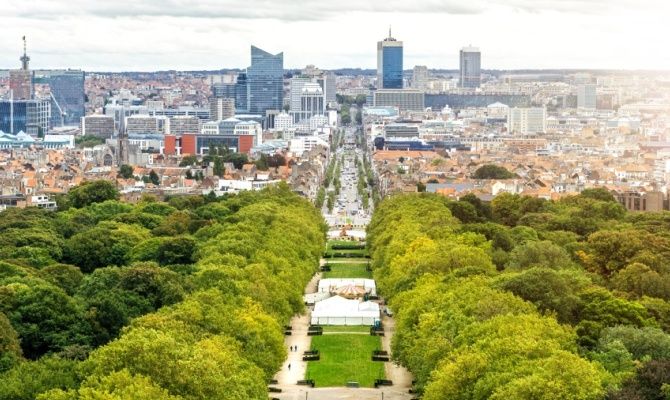
The City of Brussels is the largest municipality and historical center of the Brussels-Capital Region, and the de jure capital of Belgium. Besides the strict center, it also covers the immediate northern outskirts where it borders municipalities in Flanders, famous for its antique fabrics and painters. Today, although the seat of the European Parliament is in Strasbourg, most of the activities of the parliamentary committees take place in Brussels, while the general secretariat of the institution is in Luxembourg. The Edinburgh summit in 1992 and the Amsterdam Treaty in 1999 sanctioned this state of affairs.

Roberto Salomone è un professionista originario di Cuneo che ha mantenuto quei profondi valori Piemontesi che hanno l'intelligenza di guardare al futuro e adattarsi, con elasticità, al mondo in continuo cambiamento. Appassionato della Valle Maira, sito Unesco, da cui la sua famiglia trae le sue origini, usa le sue capacità imprenditoriali per creare sviluppo e lavoro per gli uomini d'affari e le giovani generazioni, con uno sguardo rivolto verso la vicina Costa Azzurra e oltre le Alpi. Il suo studio di Dottore Commercialista si trova in pieno centro città, dove da anni col socio dott. Agnese segue i clienti non solo in Piemonte ma anche in tutt'Italia e all'estero. La cura e l'attenzione che pone nel suo lavoro, fa sentire il cliente sicuro e la sua professionalità e conoscenza del settore e delle dinamiche italiane, lo rendono capace di districarsi con certezza e profonda onestà nel dedalo di leggi in continua modifica e aggiornamento, tipiche dello Stato di diritto Italiano. Roberto Salomone is a professional originally from Cuneo who has maintained those deep Piedmontese values that have the intelligence to look to the future and adapt, with elasticity, to the constantly changing world. Passionate about the Maira Valley, Unesco site, from which his family draws its origins, uses his entrepreneurial skills to create development and work for businessmen and the younger generations, with a look towards the nearby French Riviera and beyond the Alps. His firm of Chartered Accountant is located in the city center, where for years with his partner dr. Agnese follows their customers not only in Piedmont but also throughout Italy and abroad. The care and attention he places in his work, makes the customer feel safe and his professionalism and knowledge of the sector and of Italian dynamics, make him able to extricate himself with certainty and deep honesty in the maze of laws that are constantly changing and updated, typical of the Italian rule of law. (1)
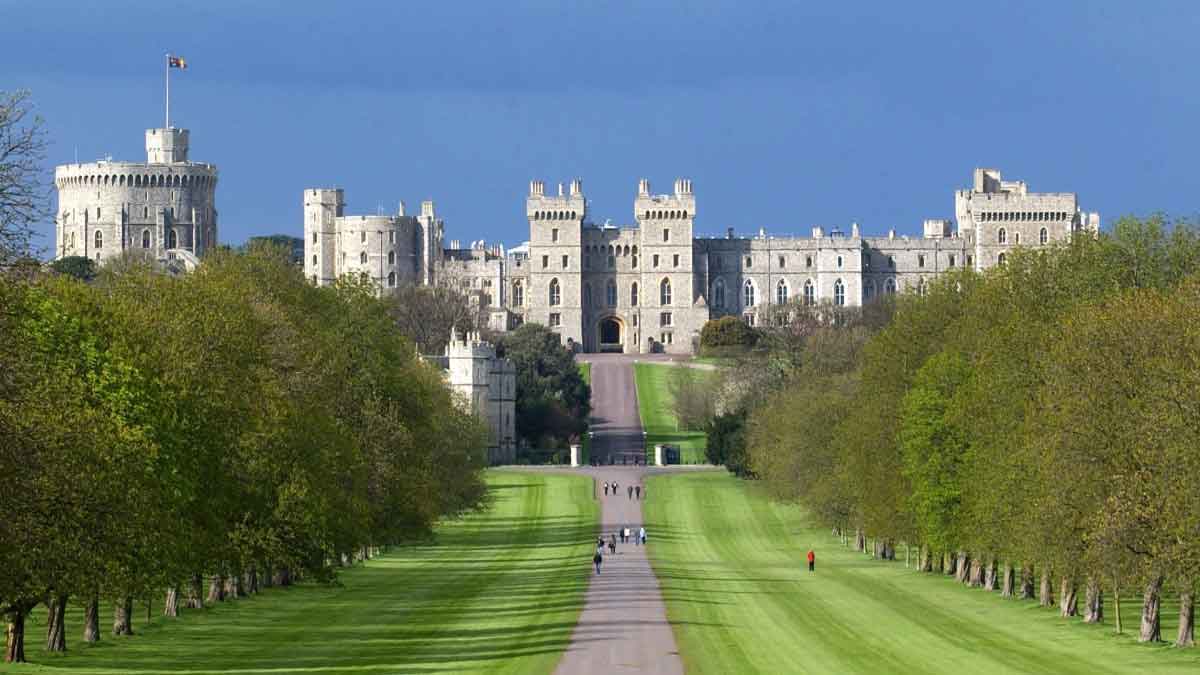
Windsor Castle is a royal residence at Windsor in the English county of Berkshire. It is notable for its long association with the English and later British royal family and for its architecture. The original castle was built in the 11th century after the Norman invasion of England by William the Conqueror. The oldest and largest occupied castle in the world.
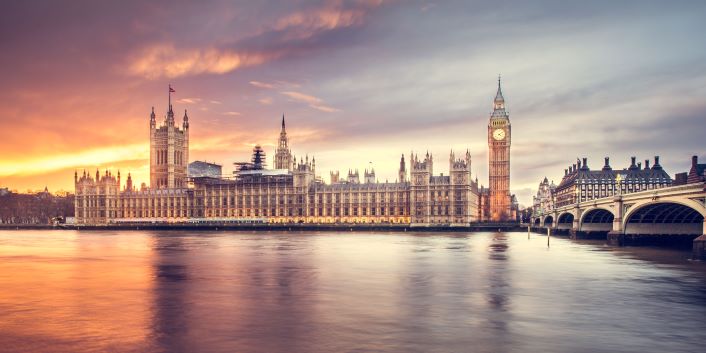
London has been a major settlement for two millennia. Londinium was founded by the Romans. The City of London, London's ancient core, colloquially known as the Square Mile, retains boundaries that follow closely their medieval limits. The City of Westminster is also an Inner London borough holding city status. Greater London is governed by the Mayor of London and the London Assembly. London is often considered as the world's leading global city and has been termed as the world's most powerful, most desirable, most influential, most visited, most expensive, innovative, sustainable, most investment-friendly, most popular for work, and the most vegetarian-friendly city in the world. London exerts a considerable impact upon the arts, commerce, education, entertainment, fashion, finance, healthcare, media, professional services, research and development, tourism and transportation. London ranks 26 out of 300 major cities for economic performance. It is one of the largest financial centers.

Three generations of the Bonomi family have worked hard and with the foresight to realize what are now the Azienda Agricola and the Agriturismo San Faustino, two pearls set between the Pizzo Badile and the Concarena, in the beautiful Valcamonica. It took luck, a lot of work and study, but only thanks to this and the tenacity of a family that has never left their land, today the San Faustino Farm is a modern company, based on respect for tradition and of the rhythms and cycles of nature.
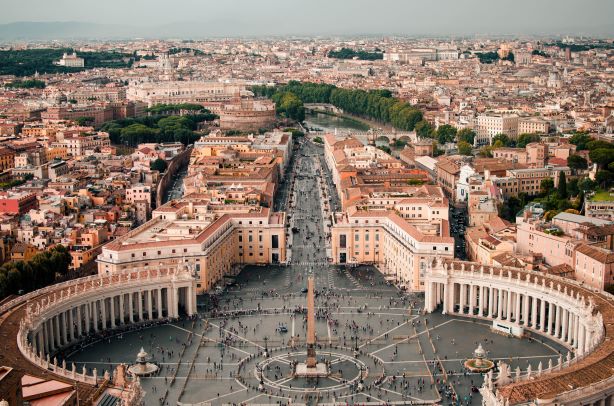
Roma caput mundi, a city of a thousand faces. Rome is the political capital of Italy, but also the center of Christianity and houses within its territory the city-state of the Vatican. The seat of the papacy, its structure today is the result of numerous urban and architectural interventions that have been stratified over the millennia. in Rome imperial is surely the best known. The splendor of antiquity revives throughout the capital: from the Colosseum to the Imperial Fora, the Domus Aurea, the Pantheon and the Circus Maximus. The capital is also a lively city that offers its visitors a multitude of cultural events and museums.

Elegant, precious, inimitable, fun, romantic: this is Venice, the gem of the Venetian and Italian tourism scene, where churches, palaces, ancient bridges, monuments, and squares tell the artistic and cultural vivacity that has marked and still marks the history of this city. The heart of Venice is the splendid Piazza San Marco, the most elegant living room in Europe, surrounded by works of unquestionable value: the imposing bell tower and the Basilica with its five portals and the decorations of marble and mosaics that anticipate the splendor and the wealth of interiors. Also the museums, the Biennale of Architecture, the gondolas and the ancient caffè Florian, everything is worth a visit. Even those who have never set foot there know the places that make the city of Venice famous all over the world: Piazza San Marco, the Rialto bridge, the Grand Canal. But Venice is also something else. There are entire areas of the historic city to be explored, far from the places obliged by tradition, where every corner hides wonders. Going off the beaten track, you will be lucky enough to look at the city from a less conventional, more intimate, authentic and original point of view. The best way to get to know the hidden soul of Venice, in fact, is to get lost in the streets and fields, explore the city slowly, preferably aboard a traditional boat or on foot, and look at it with the eyes of those who live there, maybe entering one of the many artisan shops to discover the stories of the authentic Made in Venice, such as gondolas, glass, pearls, lace, typical sweets and fabrics. But not only that: Venice is part of a real archipelago of islands, each with a unique beauty, even the lesser known, such as Torcello, Sant'Erasmo, Mazzorbo, Lazzaretto Nuovo, Certosa, Vignole, Pellestrina, and many others. You can go to the discovery of these small islands with quiet walks in the villages, visit unusual museums and take archaeological itineraries that tell of the origins of the Serenissima and its ancient history, or take short bike excursions ideal also for families with children. For example, in the Lido of Venice and Pellestrina, in addition to the beaches, there are also splendid protected natural areas that extend for tens of hectares, between the sea and the lagoon, a true paradise for birdwatchers and days outdoors. The Venice of the mainland - Mestre and Forte Marghera - can reserve beautiful discoveries, such as the woods and green parks that can be visited with urban trekking itineraries, cycle paths and bridleways. Even a visit to one of the ancient forts defending the city is an experience not to be missed to discover an unprecedented Venice, along a widespread route between the mainland and the islands of the lagoon, of extraordinary archaeological, architectural and naturalistic interest. Anche chi non vi ha mai messo piede, conosce i luoghi che rendono celebre la città di Venezia in tutto il mondo: Piazza San Marco, il ponte di Rialto, il Canal Grande. Ma Venezia è anche altro. Ci sono intere zone della città storica tutte da esplorare, lontano dai luoghi obbligati dalla tradizione, dove ogni angolo nasconde meraviglie. Uscendo dai sentieri più battuti, avrete la fortuna di guardare la città da un punto di vista meno convenzionale, più intimo, autentico e originale. Il miglior modo per conoscere l'anima nascosta di Venezia, infatti, è perdersi in calli e campi, esplorare la città con lentezza, meglio se a bordo di un'imbarcazione tradizionale o a piedi, e guardarla con gli occhi di chi ci vive, magari entrando in una delle tante botteghe artigiane per scoprire le storie dell'autentico Made in Venice, come gondole, vetri, perle, merletti, dolci tipici e tessuti. Ma non solo: Venezia è parte di un vero e proprio arcipelago di isole, ciascuna dalla bellezza unica, anche le meno conosciute, come Torcello, Sant'Erasmo, Mazzorbo, Lazzaretto Nuovo, Certosa, Vignole, Pellestrina, e tantissime altre. Potrete andare alla scoperta di queste piccole isole con tranquille passeggiate nei borghi, visitare musei insoliti e percorrere itinerari archeologici che raccontano delle origini della Serenissima e della sua antica storia, oppure fare brevi escursioni in bicicletta ideali anche per le famiglie con bambini. Per esempio, al Lido di Venezia e a Pellestrina, oltre alle spiagge, ci sono anche splendide aree naturali protette che si estendono per decine di ettari, tra mare e laguna, un vero paradiso per gli amanti del birdwatching e delle giornate all'aria aperta. La Venezia di terraferma - Mestre e Forte Marghera - può riservare bellissime scoperte, come i boschi e i parchi verdi visitabili con itinerari di trekking urbano, vie ciclabili e ippovie. Anche la visita di uno degli antichi forti a difesa della città è un'esperienza da non perdere per scoprire una Venezia inedita, lungo un percorso diffuso tra la terraferma e le isole della laguna, di straordinario interesse archeologico, architettonico e naturalistico.

La Fondazione Musei Civici è un soggetto privato che gestisce un patrimonio pubblico, che fa capo al Consiglio di Amministrazione, e che autofinanzia tutte le proprie attività. Ha un unico socio fondatore, il Comune di Venezia. MUVE è un network di musei autonomi con una regia centrale. Oltre alle tradizionali attività museali (ricovero, conservazione, studio, valorizzazione) comprende un ampio insieme di attività e servizi culturali: ricerca, formazione, divulgazione, didattica, produzione di eventi temporanei, in un dialogo incessante con il territorio e con i suoi frequentatori. La Fondazione Musei Civici di Venezia favorisce l’aggregazione di soci partecipanti, pubblici e privati, che condividano e sostengano le sue finalità. Istituisce e consolida relazioni con altri sistemi museali, nazionali e internazionali, e altre istituzioni culturali, scientifiche, educative, e sviluppa partnership su progetti specifici con soggetti privati. Obiettivi comuni sono l’implementazione della visibilità e della reputazione internazionali e lo sviluppo di relazioni locali virtuose e innovative, da perseguire con un’offerta di alto profilo associata alla massima accessibilità. La Fondazione Musei Civici di Venezia (MUVE) riunisce undici musei: Palazzo Ducale, Museo Correr, Torre dell’Orologio, Ca’ Rezzonico Museo del Settecento Veneziano, Palazzo Mocenigo – Centro Studi di Storia del Tessuto e del Costume, Casa di Carlo Goldoni, Ca’ Pesaro – Galleria Internazionale d’Arte Moderna, Palazzo Fortuny, Museo del Vetro di Murano, Museo del Merletto di Burano e Museo di Storia Naturale. Un immenso patrimonio culturale, con oltre 700.000 opere d’arte, cinque biblioteche specialistiche, un archivio fotografico e un attrezzato deposito nel Vega Stock a Marghera. Un sistema museale ricco, articolato, complesso che MUVE gestisce, tutela e valorizza dalla sua nascita nel 2008. Arricchito recentemente da altre due importanti partnership che prendono corpo oltre lo storico nucleo lagunare della città, con il Centro Culturale Candiani e Forte Marghera a Mestre. The Fondazione Musei Civici is a private entity reporting to a Board of Directors that manages a public heritage and which self-finances all its activities. It has only one founding member, the City of Venice. MUVE is a network of autonomous museums with a central direction. In addition to traditional museum activities (recovery, conservation, study, promotion), it includes a wide range of cultural activities and services: research, training, dissemination, teaching, production of temporary events, in a ceaseless dialogue with the territory and its visitors. The Fondazione Musei Civici di Venezia encourages the integration of public and private participating members that share and support its aims. It establishes and consolidates relationships with other national and international museums, and other cultural, scientific and educational institutions, and develops partnerships for specific projects with private subjects. Shared objectives are the implementation of international visibility and reputation and the development of virtuous and innovative local relationships, to be pursued with a high profile offer associated with maximum accessibility. The Fondazione Musei Civici di Venezia (MUVE) is responsible for eleven museums: the Doge’s Palace; the Museo Correr; the Torre dell’Orologio; Ca’ Rezzonico – Museum of the eighteenth-century Venice; Palazzo Mocenigo – Centre for the History of Textiles and Costume; the Casa di Carlo Goldoni; Ca’ Pesaro – International Gallery of Modern Art; Palazzo Fortuny; the Museo del Vetro di Murano (Murano glass museum); the Museo del Merletto di Burano (Burano lace museum); the Natural History Museum of Venice. It boasts an immense cultural heritage, with over 700,000 works of art, five specialist libraries, a photographic archive and a well-equipped warehouse in the Vega Stock in Marghera. This rich and complex museum system has been managed, protected and promoted by MUVE since its foundation in 2008. It has been recently enriched by two other important partnerships developing outside the historic centre of the city: with the Centro Culturale Candiani and Forte Marghera in Mestre.

Been there, done that... doing it all over again! Herby, a product of South Africa, vintage '63, Internaut since '82. Roaming the world since the age of 23 to date. Jack of all trades, master of none. Techie, pilot, nomad. Can travel~live~work, anywhere. Global village citizen, living without boundaries, my primary passions are aviation, the sea and Ubuntu Synergy. I am, because we are. Together. We create unity, foster community, motivate affiliates to generate residual revenue, and facilitate networking events. It's time to LIVE your life! My mission is to help people from all walks of life, gain financial independence, while caring for the world around us. I believe charity begins at the cash register. Just say no to donations. Learn how to earn. Make sure you have a meal, an income, clothes, a home and good health. Constantly bombing your mind with books and exercise, are two battles that win the war of longevity. I want to grow old. There is no planet B. I'm a big fan of renewable resources and ethical commerce. Gardens, farming, trees and bees, and anything that carries fleas. Helping our paw-legged friends in shelters, finding furever homes much faster. Same for birds, horses, donkeys, circus prisoners and liberating zoos. Noble causes that need proactive participants. Anyone can help: Scholars, students, employment seekers, those just over broke. Single and stay-at-home parents. Business owners, administrators and managers of any ilk. Retrenched and retired folks who still have much to give. Everyone can become successful super affiliates. Generating residual income is easy, and I will be your guide. With 40+ years in technology, aviation and extensive travel, this digital nomad has a wealth of experience to share. Helping others navigate the fear of failure and proven pathway to success. Point-and-click easy here >> https://herbyolschewski.com/action/worksheet/

Sabina Corsini, discendente da una delle più antiche principesche e influenti famiglie fiorentine, sostiene e promuovecon passione e professionalità il Patrimonio Culturale e artistico nel quale è cresciuta e Italiano nel mondo. Con grazia e determinazione, Sabina Corsini si occupa della gestione del patrimonio di famiglia e degli eventi nazionali e internazionali ospitati nei Giardini Corsini, nel Castello di Marsiliana e altri. Dalle cacce a Pitti Uomo ai concerti del Festival Internazionale della Gioventù, è molto attiva anche per la cultura e il sostegno delle arti fiorentine. Sabina Corsini, descendant of one of the most ancient princely and influential Fiorentine families, supports and promotes with passion and professionalism the cultural and artistic heritage in which she grew up and Italian in the world. With grace and determination, Sabina Corsini takes care of the management of the family heritage and of the national and international events hosted in the Corsini Gardens, in the Castle of Marsiliana and others. From the hunts at Pitti Uomo to the concerts of the International Youth Festival, she is also very active for the culture and support of the Florentine arts.

Cresciuta tra le colline piemontesi e la nobiltà veneziana, Carolina Reviglio ha assorbito fin dall'infanzia l'amore per l'arte nella dimora di famiglia, Villa Cimena. Con una formazione tra Italia e USA, unisce un’identità profondamente italiana a una visione internazionale. Dal 1987 si dedica al restauro di edifici storici, trasformando la sfida della conservazione in una missione di vita. "Il mio Paese è ricco di patrimonio, ma privo dei mezzi per preservarlo", afferma. Per questo ha scelto di restituire valore al settore, supportando gli artigiani e connettendo i professionisti ai progetti più ambiziosi. Come Heritage Doyenne, promuove la figura degli Heritage Ambassadors per traghettare il passato nel futuro. Il suo obiettivo è creare sinergia tra cultura e territorio: "Solo quando comprendiamo le nostre radici possiamo immaginare un futuro straordinario, arricchito dalla bellezza del passato. La vita è nostra, spetta a noi progettarla".

Marielle Stella è un artista estremamente talentuosa e poliedrica. Nata e cresciuta in Francia ha un profondo legame famigliare anche con la meravigliosa terra di Sicilia. Ha vissuto in Italia e all'estero facendo esperienza nel settore della moda e nel settore artistico. Il calore e i colori della sua terra d'origine traspaiono nelle sue opere e nel suo sorriso contagioso, così come la sua esperienza internazionale traspare nell'universalità delle sue opere. Stella ha lavorato su opere come lo zainetto e il "U Mungibeddu" (come viene chiamato il vulcano siciliano dell'Etna), dove ha usato la forma per posizionare i tasselli scelti in base alla sua esperienza artistica pittorica e nel campo della moda. Stella usa materiali eco sostenibili così come gli smalti di vari colori preparati appositamente senza sostanze tossiche e dannose in considerazione della malattia che da anni accompagna la designer italo-francese (MCS sensibilità chimica multipla) e che le impone di vivere in un ambiente senza sostanze chimiche.Nell'opera in questione utilizza tasselli fosforescenti che ne permettono la visibilità di giorno e di notte. Marielle Stella is an extremely talented and multifaceted artist. She was born and raised in France and has a profound family-bond with the wonderful land of Sicily. She has lived in Italy and abroad gaining experience in the fashion sector and in the artistic sector. The warmth and color of her homeland shine through in her works and in her contagious smile. Her international experiences give her a wide understanding of life that expands from her works. Stella has worked on works such as the backpack and the "U Mungibeddu" (as the Sicilian volcano of Etna is called), where she used the shape to position the pieces chosen according to her pictorial and fashion artistic experience . Stella uses eco-sustainable materials as well as glazes of various colors specially prepared without toxic and harmful substances in consideration of the disease that has accompanied the Italian-French designer for years (MCS multiple chemical sensitivity) and which requires her to live in an environment without chemicals .In the work in question he uses phosphorescent inserts that allow visibility by day and by night.

To be dressed by Alberta Florence is to take a stroll in Rome between the Via Veneto and the Piazza del Popolo in the perfume of a late afternoon in June, losing oneself in an art gallery, a cinema set, a bookshop, or in a poem. Wearing the clothes of the Atelier means realizing the dream of owning a unique object; Alberta Florence is a breath of classical originality in a world that changes, but that never compromises on style. The Atelier, established in 2014, finds its inspiration in the Italy of the 1950s and 60s, a period infused with ferment and magic, and in the soft lines and brilliant colors of the Tuscan landscape. A Bel Paese where nature's verdant profusion of olive groves, woods and luxuriant gardens became the framework for a cultural renaissance in which intense friendships gave birth to artistic movements. Novels such as The Garden of the Finzi Contini and the writings of Natalia Ginzburg and Truman Capote are further seminal influences on the ethos of Alberta Florence, which also derives creative impulse from beautiful and courageous women, the likes of Peggy Guggenheim and Paola Bucarelli, and from legendary painters with powerful personalities such as De Chirico and Guttuso. References to the cinema of the dreamlike visionary Federico Fellini are ever present. The way in which the clothes are cut represents the synthesis of the philosophy and style of Giulia Mondolfi, the heart and soul of the Atelier. Alberta Florence does not follow fashion, but is rather classically contemporary, the constant references to a past elegance always reinterpreted with a modern twist. What emerges is clothing of extreme formal simplicity which is at the same time distinctive, timeless. Giulia adores collecting fabrics which she considers real works of art in their own right, and which she sources mainly in Florence, but also during her travels to Rome, Bologna, Milan and Paris. It is indeed the fabric itself that gives form to her clothes, the prints, colors and patterns of the materials providing her inspiration. Each piece of the collection is unique because it is created from a limited quantity of fabric, and is expertly tailored by hand in Florence. The result is a perfect coming together of fashion, design and skilled craftsmanship. The Atelier Alberta Florence believes strongly in sustainable development, and for this reason has entrusted part of its production to a social cooperative which provides work for disadvantaged young people.

664 Listings
.
.