
.
Listings

Rosenfeld sponge processing Ltd. has been in the business for more than 100 years. In Trieste, the opening of Rosenfeld Ltd. was possible because of the hard work of David Rosenfeld in 1896. The city was under the rule of the Austro-Hungarian Franz Joseph I. To date it is the oldest Sponge Processing Company in Europe. The family, which for four generations continues to run the company, has made the processing of sea sponge a point of excellence: the family knows the secrets, the particularities and the waters where there are the best specimens. Rosenfeld Ltd sponges come from the waters of the Mediterranean and the Atlantic sea. They are s processed in the sponge processing plant in Trieste and exported worldwide. The purification and washing treatment, necessary to remove the impurities and organic calcareous substances from the sponge. It is done using traditional methods. The final inspections ensure the correct PH balance of the product. The shaping is the last part of the process, strictly done by hand to improve the shape and appearance of the sponge. Rosenfeld sponges are especially requested in the field of cosmetics and wellness by both Italian and foreign clients: Pharmaceutical companies, manufacturers of cosmetic lines and distributors of children's items, market their products under their own "private label" or using the Rosenfeld brand. Also the ceramic industry, footwear and paint industry make huge requests. Rosenfeld Ltd. support and finance research for sponge culture in the Adriatic Sea and in the seas of the Bahamas in collaboration with the University of Trieste and the Cape Eleuthera Institute in the Bahamas.

Leonardo di ser Piero da Vinci, more commonly Leonardo da Vinci, was an Italian polymath of the Renaissance whose areas of interest included invention, drawing, painting, sculpture, architecture, science, music, mathematics, engineering, literature, anatomy, geology, astronomy, botany, paleontology, and cartography. He is widely considered one of the greatest painters of all time, despite perhaps only 15 of his paintings have survived. The Mona Lisa is the most famous of his works and the most popular portrait ever made. The Last Supper is the most reproduced religious painting of all time and his Vitruvian Man drawing is regarded as a cultural icon as well. Leonardo's paintings and preparatory drawings, together with his notebooks, which contain sketches, scientific diagrams, and his thoughts on the nature of painting, compose a contribution to later generations of artists rivaled only by that of his contemporary Michelangelo. Although he had no formal academic training, many historians and scholars regard Leonardo as the prime exemplar of the 'Universal Genius' or 'Renaissance Man', an individual of "unquenchable curiosity" and "feverishly inventive imagination", and he is widely considered one of the most diversely talented individuals ever to have lived.

Siamo ad Alessano, un piccolo borgo nel cuore del basso Salento nel quale la quiete resiste al trascorrere di un tempo immerso nelle tradizioni e nella storia. L'atmosfera di distacco e riservatezza che avvolge i paesi dell'entroterra viene rafforzata dal contrasto con la confusione estiva che investe Santa Maria di Leuca, Otranto e Gallipoli, mete di turismo di massa a pochi km di distanza. Lì il caos, qui un'oasi di pace. Palazzo Ducale si trova nella piazza antica del paese, piazza Castello. Ed eccomi qui, Romana e Salentina . Tanti anni fa ho iniziato a ricevere gli amici degli amici, italiani e stranieri. Il sole, la terra rossa, i tramonti mozzafiato, un mare da sogno, le masserie,l'ottima cucina e l'ospitalità erano spesso gli unici scopi del viaggio. Poi il rispetto delle tradizioni, l'arte, la cultura, la disponibilità degli abitanti, l'artigianato, la storia, il barocco. Le voci corrono e gli amici arrivano. Nella consapevolezza di essere ricevuti in una dimora storica privata, mentre il passato viene rispettato e le tradizioni raccontate, la vita presente viene condivisa, respirando aria di casa. Questo è il mio modo di accogliere gli ospiti, come se fossero degli amici, aspettandoli con un sorriso e rendendoli partecipi di un passato che in armonia si è unito ad un quotidiano al passo coi tempi. Susanna Mariani Sangiovanni

Jane’s focus on direct action comes from her training as an environmental scientist (MA, Oxford University, M. Phil. Imperial College London) and international experience as a consultant on sustainable development. She founded We are Here Venice to protect and preserve Venice and it's lagoon and especially to stop the big ships by coming inside Venice. Research investigations have covered climate change and wetland ecology plus methodological issues like indicators and valuation approaches and the integration of different branches of knowledge and/or levels of uncertainty to overcome complexity and characterize urgent issues. She is also very much into the cultural life and events in Venice always for a wake-up call in protecting Venice.

We operate both as a think tank and activist platform, strengthening connections between the best available information and stakeholders. We collaborate with universities, businesses, cultural institutions, and public authorities to deliver projects and recommendations based on rigorous research to bring about real changes according to social, economic, physical and ecological indicators. The city and the lagoon are considered inseparable elements of a single system, highlighting the importance of negotiations between the natural environment and human intervention. Venice’s singular circumstances offer huge potential as a laboratory for exploring innovative approaches to community resiliency. Our initiatives range from self-contained projects and exhibitions often with the aim of raising awareness, to other more substantial ongoing campaigns, research and Ph.D. programs.

Lentini's high-quality Restaurants have their roots the day Alfonso Lentini descended from the train that took him to Turin from his home in Calabria, in 1953 at the age of 14. He was welcomed by aunt Gina, who taught him the spirit of sacrifice and the first foundation to become a future fruit merchant. From that moment on, the story of the Lentini family began in the world of agro-food which brought Nicola, the first-born son, to follow his father's footsteps. First, as a fruit merchant and subsequently, as an entrepreneur in the food business. Since Nicola opened his first restaurant in Turin, he discovered a certainty: the quality and origin of our raw materials are fundamental for an excellent final result. For this reason, he personally follows each and every one of the producers of the ingredients that I use. Only Italian, genuine, traceable and high-quality products. Lentini's restaurants, starting from Germany, are now opening around the world. We can also find high-quality frozen Lentini's pizza.

The Verace Pizza Napoletana Association (AVPN) was founded in 1984, under the patronage of the Chamber of Commerce, Industry, and Crafts of Naples. The old Neapolitan pizza masters, decided to set up an association, with so much disciplinary and implementing regulation, for the defense and enhancement of pizza, produced and processed according to the ancient Neapolitan traditions and customs. In 1984, Antonio Pace the son of Vincenzo Pace who has been working at the bakery since he was 10, decided to write precise rules for preparing and processing "veracious" pizzas, using, for the codification of the rules and regulations, the help and experience of the old Neapolitan pizza masters. Much work has led to the recognition of pizza as a UNESCO World Heritage Site in 2017.

Pizza is a savory dish of Italian origin, consisting of a usually round, flattened base of leavened wheat-based dough topped with tomatoes, cheese, and various other ingredients (anchovies, olives, meat, etc.) baked at a high temperature, traditionally in a wood-fired oven. The term pizza was first recorded in the 10th century in a Latin manuscript from the Southern Italian town of Gaeta in Lazio, on the border with Campania. The modern pizza was invented in Naples, and the dish and its variants have since become popular in many countries. It has become one of the most popular foods in the world and a common fast food item in Europe and North America, available at pizzerias (restaurants specializing in pizza), restaurants offering Mediterranean cuisine, and via pizza delivery. Many companies sell ready-baked frozen pizzas to be reheated in an ordinary home oven. The Associazione Verace Pizza Napoletana (lit. True Neapolitan Pizza Association) is a non-profit organization founded in 1984 with headquarters in Naples that aims to promote traditional Neapolitan pizza. In 2009, upon Italy's request, Neapolitan pizza was registered with the European Union as a Traditional Speciality Guaranteed dish, and in 2017 the art of its making was included on UNESCO's list of intangible cultural heritage

La Scala is an opera house in Milan, Italy. The theatre was inaugurated on 3 August 1778 and was originally known as the Nuovo Regio Ducale Teatro alla Scala (New Royal-Ducal Theatre alla Scala). The premiere performance was Antonio Salieri's Europa. Most of Italy's greatest operatic artists, and many of the finest singers from around the world, have appeared at La Scala. The theatre is regarded as one of the leading opera and ballet theatres in the world and is home to the La Scala Theatre Chorus, La Scala Theatre Ballet and La Scala Theatre Orchestra. The theatre also has an associate school, known as the La Scala Theatre Academy (Italian: Accademia Teatro alla Scala), which offers professional training for music, dance, stage craft, and stage management. La Scala's season opens on 7 December, Saint Ambrose's Day, the feast day of Milan's patron saint. All performances must end before midnight, and long operas start earlier in the evening when necessary. Amazing original dresses worn by soprano Maria Callas in various ehxibitions, are held at Teatro La Scala.

Alex Polizzi is an English television personality, hotelier, and businesswoman. Since 2008, she has appeared on the British television series The Hotel Inspector on Channel 5. In 2014, Alex launched a new Channel 5 series, Alex Polizzi's Secret Italy, where she visits either lesser-known places within Italy or well-known towns and cities and, using local connections, shows areas that tourists would not ordinarily experience. From 2018, she invited, the resAlex Polizzitaurateur Oliver Peyton, to join her in a new Channel 5 series Peyton And Polizzi’s Restaurant Rescue. Her contagious smile carries you through her videos into a beautiful unknown experience oh heritage and handcrafts skills. She discovers heritage to be saved for the future generations.

La Gondola is perhaps the most famous boat in the world, certainly the most photographed. Its unique silhouette has become the symbol of Venice over the centuries. Carlo Donatelli Passi, a Venetian who grew up among his streets and fields, became an engineer at the Polytechnic in Milan, an officer in the Navy during the Second World War, and he has always passionate about sailing boats and precision naval mechanics. After many years of research and after having built a gondola on a perfect scale 1: 100, he publishes La Gondola: a unique, detailed and historical book, very documented and even fun. It's certainly a book to read before going to visit Venice, and certainly an amazing gift that you may find on the web.

Il Palazzo Ducale Castello di Gallese, è una ristrutturazione dell’originale rocca medievale, come è facile intuire dalla pianta quadrangolare e dalle torri ancora visibili. L’edificio spicca alla vista e si trova sul lato est del borgo storico di Gallese. Forse già in epoca romana in questo luogo erano presenti delle fortificazioni, perché è l’unica zona priva di difese naturali. Nel tempo, la fortificazione cresce fino a diventare un castello medievale. Nel Rinascimento Papa Alessandro VI commissiona la ristrutturazione del castello. Durante il loro governo, gli Altemps trasformano il castello in palazzo, su progetto del Vignola. Di proprietà privata, dei duchi Hardouin di Gallese, discendenti di Maria Hardouin, moglie dello scrittore Gabriele D’Annunzio, oggi il Castello è vivo e attivo ed ospita anche iniziative culturali. (1) The Palazzo Ducale Castello di Gallese is a restructuring of the original medieval fortress, as can be easily guessed from the quadrangular plan and the towers still visible. The building stands out from view and is located on the east side of the historic village of Gallese. Perhaps already in Roman times there were fortifications in this place, because it is the only area without natural defenses. Over time, the fortification grew to become a medieval castle. In the Renaissance Pope Alexander VI commissioned the renovation of the castle. During their rule, the Altemps transformed the castle into a palace, designed by Vignola. Privately owned by the Hardouin dukes of Gallese, descendants of Maria Hardouin, wife of the writer Gabriele D’Annunzio, today the Castle is alive and active and also hosts cultural initiatives. (1)

The Buglioni studio is a space of various professionals, highly technological, in the center of Turin. An innovative study that brings together different and interesting professionals with a very powerful free wifi connection, open to the city. Cristina Buglioni di Monale, a young high-profile civil lawyer, brought together two colleagues in the office, a criminal lawyer and a labor lawyer, an accountant, a computer enthusiast, and an interior designer. Harmony reigns and is contagious, as well as non-traditional but forward-looking communication.

L'edificio, iniziato nel 1675 con impianto barocco, fu convento dei padri Filippini. Acquisito dallo Stato nel 1855 e risistemato con facciata eclettica da Alessandro Mazzucchetti, ospitò ministeri e uffici pubblici. Nel 1929 divenne Casa Littoria, sede provinciale del partito fascista. Fu in seguito intitolato a Felice Cordero di Pamparato, comandante partigiano con il nome di "Campana", impiccato nel 1944. Sede universitaria dal dopoguerra, ha visto nascere il movimento studentesco nel 1967. Restaurato da Pietro Derossi nel 1997 con Adriano Spada.

Gli amici di Venezia onlus è un’associazione di volontariato nata a Venezia il 24 luglio 2007. Il fondatore è Giorgio Girelli che, con la moglie Brunella Cortesi e nove amici, decise di raccogliere fondi per progetti mirati a favore dei bambini del Terzo mondo e per lo sviluppo e la crescita effettiva di alcune comunità locali tra le più povere al mondo. Gli ambiti d'intervento sono: salute, istruzione e sviluppo agricolo. L’associazione e i suoi soci, circa 150, prestano la loro attività gratuitamente e il 100% delle somme raccolte viene utilizzata per i progetti programmati. L’obiettivo generale è promuovere lo sviluppo delle comunità dove l’estrema povertà, la mancanza di acqua e di cibo, le malattie endemiche e le difficoltà di accesso all’istruzione rappresentano una drammatica costante quotidiana. Circa il 40% degli stati africani si collocano agli ultimi posti delle classifiche di ricchezza nazionale e l’elenco delle 50 nazioni meno sviluppate del mondo, stilata dall’ONU, vede ben 23 posizioni occupate dall’Africa. Inoltre la cattiva distribuzione delle risorse idriche, lo scarso progresso nelle tecniche di coltivazione e i cambiamenti climatici rallentano lo sviluppo dell’agricoltura, lasciando immutata la condizione della povertà africana. La loro associazione si propone di migliorare le condizioni di vita mediante l’accesso alle fonti d’acqua potabile, la realizzazione di piccoli presidi medici e di strutture scolastiche, cercando di operare nel rispetto delle tradizioni, delle religioni e dell’ambiente. Gli Amici di Venezia onlus è un’associazione privata, autonoma e apartitica. Fin dall’inizio si è dedicata a progetti importanti e ambiziosi, grazie al sostegno di soci generosi e sensibili. Gli amici di Venezia onlus si autofinanzia attraverso: tesseramento dei soci, donazioni, eventi periodici come cene, brunch, incontri conviviali, lotterie e aste, mercatini di prodotti artigianali etiopi e tanzaniani, vendita di marmellate prodotte dai soci, miele e caffè. Tutti gli associati collaborano gratuitamente alle attività di raccolta dei fondi e alle spese dei viaggi, circa quattro all’anno, che sono interamente a carico del singolo socio, non gravando così sull’associazione. Per il coordinamento dei nostri progetti in loco ci appoggiamo al VIS, “Volontariato Internazionale per lo Sviluppo”, un’organizzazione non governativa che ha sede ad Addis Abeba.

Duccio Mannucci & Partners is a dynamic press and marketing office, based in Florence, specialized in communication strategies, communication plans, press office, and public relations. Their clients are both profit and non-profit organizations to whom they provide pieces of advice for events, marketing, sponsorship, and fundraising. They organize and promote projects of high social value, particularly for children and adolescents with psychological distress. They are particularly interested in the protection and development of the territory and historical-artistic heritage of Florence and Tuscany.

Villa Dosi Delfini, capolavoro del Barocco Pontremolese, è visitabile con un calendario di aperture straordinarie nel corso dell'anno, oppure su prenotazione per visite private e di gruppo. Questa straordinaria dimora storica, in cui si intrecciano arte, architettura, paesaggio e curiosità storiche è inoltre disponibile per eventi, banchetti e matrimoni. La Villa barocca è stata realizzata tra la fine del XVII secolo e l'inizio del XVIII. Nel 1988, la Villa ottiene il riconoscimento di "interesse storico ed artistico particolare" ed è oggi sottoposta a vincolo da parte della Soprintendenza Archeologica Belle Arti e Paesaggio per le province di Lucca e Massa Carrara. Villa Dosi Delfini, a masterpiece of the Pontremolese Baroque, can be visited with a calendar of extraordinary openings during the year, or by appointment for private and group visits. This extraordinary historic home, where art, architecture, landscape and historical curiosities are intertwined, is also available for events, banquets and weddings. The Baroque Villa was built between the end of the 17th century and the beginning of the 18th. In 1988, the Villa obtained the recognition of "particular historical and artistic interest" and is now subject to restrictions by the Archaeological Superintendence for Fine Arts and Landscape for the provinces of Lucca and Massa Carrara.
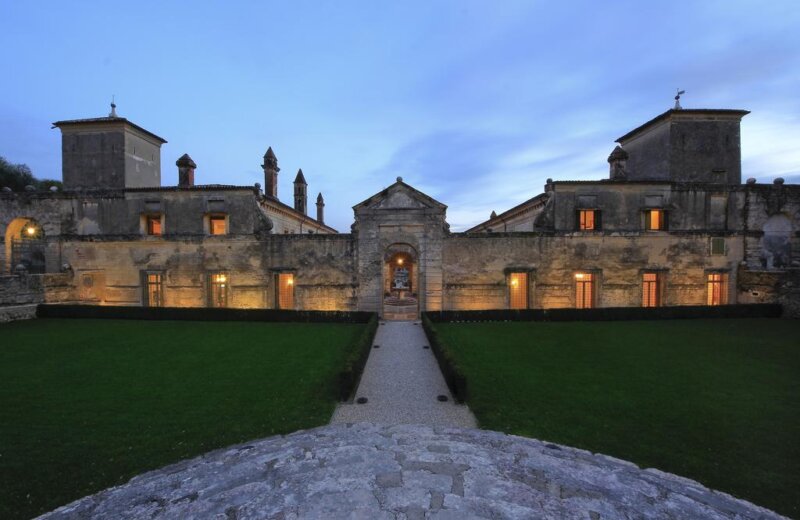
Villa della Torre Allegrini, è una delle ville di maggiore interesse del Cinquecento veneto. La pianta, imperniata su un cortile con peristilio, si rifà alle antiche case romane. Dal 2008 il complesso, divenuto di proprietà Allegrini, Azienda agricola produttrice di vino, tra le più famose al mondo e punto d'eccellenza dell' Amarone, è sede di rappresentanza aziendale e ospita eventi mondani e culturali. Villa della Torre Allegrini, is one of the most interesting villas of the sixteenth century in Veneto. The plant, hinged on a courtyard with peristyle, refers to the ancient Roman houses. Since 2008, the complex, which has become the property of Allegrini, a wine producing farm, one of the most famous in the world and a point of excellence for Amarone, is a corporate representation and hosts social and cultural events.

Il Castello di Bevilacqua fu costruito nel 1336 da Guglielmo Bevilacqua e fu concepito come fortezza per difendersi dalle Signorie confinanti. Durante il periodo della Repubblica Veneziana, il castello perse il suo scopo difensivo in seguito ai danneggiamenti subiti in precedenza. Si susseguirono ulteriori danneggiamenti in seguito all'incendio causato dall'esercito austriaco nel 1848. In seguito ai minuziosi restauri ora il Castello Relais è al servizio della comunità, aperto al pubblico per la visita tutti i giorni della settimana dalle ore 9.30 alle ore 18.30. Un posto magico che ospita eventi e soggiorni particolarmente suggestivi.

Il Registro Italiano delle Dimore Storiche di Eccellenza si occupa della tutela, della valorizzazione e della promozione del patrimonio storico attraverso la certificazione di qualità delle migliori dimore storiche d’Italia per turismo ed eventi. Ogni giorno decine di castelli, ville di pregio e antiche dimore vengono valutati, catalogati e classificati dal Registro Italiano delle Dimore Storiche di Eccellenza per verificare che siano in possesso di tutti i requisiti necessari per ricoprire il delicato ruolo di ambasciatori della cultura dell’ospitalità italiana di alto livello. The Italian Register of Historic Houses of Excellence deals with the protection, enhancement, and promotion of the historical heritage through the quality certification of the best historic homes in Italy for tourism and events. Every day dozens of castles, prestigious villas, and ancient dwellings are evaluated, cataloged and classified by the Italian Register of Historic Houses of Excellence to verify that they meet all the requirements necessary to fill the delicate role of ambassadors of Italian hospitality culture high level.

664 Listings
.
.