
.
Listings

Sul colle Gianicolo, più nota a tutti come il Fontanone, la fontana dell’acqua Paola si trova al termine dell’acquedotto attivato da Paolo V Borghese (da cui prende il nome) per fornire approvvigionamento idrico al rione Trastevere che fino ad allora aveva dovuto accontentarsi quasi soltanto dei pozzi e dell’acqua del fiume. In effetti l’acquedotto Paolo era l’originario acquedotto di Traiano ripristinato nel Rinascimento. L’acqua veniva portata dal Lago di Bracciano e nell’antichità era servita a mettere in movimento i mulini di Roma. Un braccio dell’acquedotto venne distaccato per portare acqua al Vaticano e alle fontane dei giardini e a quelle di Piazza San Pietro. La bella fontana fu costruita da Flaminio Ponzio in collaborazione con Giovanni Fontana tra il 1610 e il 1612. La facciata monumentale del Fontanone, animata da angeli, mostri e draghi, è costituita da cinque archi e sei colonne in granito, delle quali quattro provengono dalla facciata dell’antica basilica di San Pietro. Altri marmi furono presi dal tempio di Minerva nel foro di Nerva. Il suo vastissimo bacino è opera di Carlo Fontana. Il piazzale che offre una visuale meravigliosa della fontana e uno splendido scorcio su Roma non esisteva ai tempi di Paolo V, quando la fontana era sull’orlo scosceso del Gianicolo. Fu Alessandro VIII Ottoboni ad aumentare la portata dell’acquedotto creando il piazzale mediante lavori di terrazzamento. Nell’orto retrostante ebbe sede dall’epoca di Alessandro VII il “Giardino dei Semplici” od Orto Botanico che nel 1820 venne trasferito nel giardino di Palazzo Salviati ai piedi del Gianicolo per ordine di Pio VII.
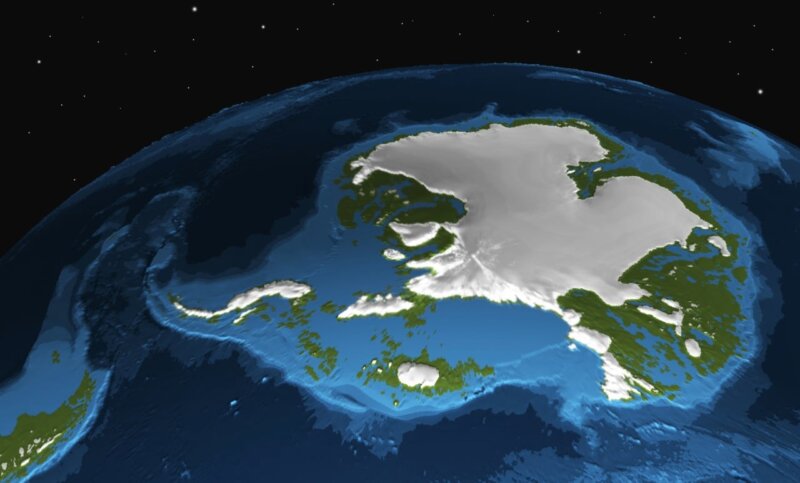
Antarctica, the southernmost continent and site of the South Pole, is a virtually uninhabited, ice-covered landmass. Most cruises to the continent visit the Antarctic Peninsula, which stretches toward South America. It’s known for the Lemaire Channel and Paradise Harbor, striking, iceberg-flanked passageways, and Port Lockroy, a former British research station turned museum. The peninsula’s isolated terrain also shelters rich wildlife, including many penguins.Antarctica is a de facto condominium, governed by parties to the Antarctic Treaty System that have consulting status. Twelve countries signed the Antarctic Treaty in 1959, and thirty-eight have signed it since then. The treaty prohibits military activities and mineral mining, prohibits nuclear explosions and nuclear waste disposal, supports scientific research, and protects the continent's ecozone. Ongoing experiments are conducted by more than 4,000 scientists from many nations.

Chiara Donà dalle Rose, lawyer and member of the board of the University of Architecture of Venice, a woman of high profile and great commitment, cultural, social, and human. Chiara, for many simply "Countess", is a lawyer, member of the board of the IAUV University of Architecture in Venice, founder of Bias, Biennale Contemporary art of the religions of humanity. She is a culture consultant to the Municipality of Castelvetrano. Chiara has many interests, unable to list them all, among others, she works in close synergy with the United Nations High Commissioner for Refugees and, on the Sinai Peninsula, is a humanitarian head of a project to create a hospital for Wish, World International Sicilian Heritage. Chiara is a strong-willed woman who does everything with seriousness and competence. And all with the enthusiasm, sensitivity, generosity and feminine sweetness. She is a champion for Venice safeguard.

Da sempre, la storia della famiglia Eger si intreccia con quella dei tessuti. A Mussolente, in provincia di Vicenza e a ridosso della provincia di Treviso, oltre un secondo fa fonda le sue radici l’azienda della famiglia Eger, grazie al bisnonno Francesco che, dal cuore dell’Europa, trova nel comune vicentino il luogo adatto per lo sviluppo della sua attività. La produzione di tessuti viene avviata da subito con metodi all’avanguardia per l’epoca: i telai sfruttavano la forza dell’acqua, al posto dei vecchi modelli a mano. Questo approccio innovativo è stata una vera e propria rivoluzione per quei tempi. E’ nel 1927, grazie al nipote Emilio, che l’attività intraprende la strada di vendita diretta di tessuti pregiati e di alta qualità, attività che tutt’oggi è costituisce il cuore dell’impresa, e che i figli mantengono viva profondendo entusiasmo, dedizione e profonda conoscenza della materia. Il personale, affidabile, attento e competente di Casa Eger vi accoglierà e vi accompagnerà a conoscere gli ambienti di questo fantastico luogo ricco di colori, geometrie, stoffe pregiate e tessuti raffinati. Lasciatevi incantare dalla vostra selezione di stoffe di altissima qualità, sapranno consigliarvi con gusto e professionalità per le vostre necessità di arredamento della casa, dai tendaggi per vestire le finestre e donare atmosfera agli ambienti domestici, le lenzuola pregiate per un fresco riposo, o le tovaglie ricamate a mano per arricchire le tavole. I tessuti di Casa Eger sapranno emozionarvi: realizzazioni artistiche di qualità e soluzioni personalizzate e di prestigio per trasformare ogni ambiente dotandolo di eleganza e creatività. Le soluzioni di arredamento proposte sono adatte non solo per le abitazioni private, ma anche di alberghi, ristoranti e residence.

Established in 1992, the World Heritage Centre is the focal point and coordinator within UNESCO for all matters related to World Heritage. Ensuring the day-to-day management of the Convention, the Centre organizes the annual sessions of the World Heritage Committee and its Bureau, provides advice to States Parties in the preparation of site nominations, organizes international assistance from the World Heritage Fund upon request, and coordinates both the reporting on the condition of sites and the emergency action undertaken when a site is threatened. The Centre also organizes technical seminars and workshops, updates the World Heritage List and database, develops teaching materials to raise awareness among young people of the need for heritage preservation, and keeps the public informed of World Heritage issues.

The Royal Palace of Caserta is a former royal residence in Caserta, southern Italy, constructed by the House of Bourbon-Two Sicilies as their main residence as kings of Naples. It is one of the largest palaces erected in Europe during the 18th century. In 1997, the palace was designated a UNESCO World Heritage Site; its nomination described it as "the swan song of the spectacular art of the Baroque, from which it adopted all the features needed to create the illusions of multidirectional space". In terms of volume, the Royal Palace of Caserta is one of the largest royal residences in the world with over 1 million m³ and covering an area of 47,000 m². The construction of the palace was begun in 1752 for Charles VII of Naples (Charles III of Spain), who worked closely with his architect, Luigi Vanvitelli. The palace has 5 floors, 1,200 rooms, including two dozen state apartments, a large library, and a theatre modelled after the Teatro San Carlo of Naples. The garden, a typical example of baroque extension of formal vistas, stretches for 120 ha, partly on hilly terrain. It is also inspired by the park of Versailles.

The city of Petra, the capital of the Nabataean Arabs, is one of the most famous archaeological sites in the world. Petra the world wonder is undoubtedly Jordan's most valuable treasure and greatest tourist attraction, and it is visited by tourists from all over the world. It is not known precisely when Petra was built, but the city began to prosper as the capital of the Nabataean Empire from the 1st century BC, which grew rich through trade in frankincense, myrrh, and spices. Petra was later annexed to the Roman Empire and continued to thrive until a large earthquake in 363 AD destroyed much of the city in the 4th century AD. The earthquake combined with changes in trade routes, eventually led to the downfall of the city which was ultimately abandoned. In 1812 a Swiss explorer named Johannes Burckhardt set out to ‘rediscover’ Petra; he dressed up as an Arab and convinced his Bedouin guide to take him to the lost city, After this, Petra became increasingly known in the West as a fascinating and beautiful ancient city, and it began attracting visitors and continues to do so today. Petra is also known as the rose-red city, a name it gets from the wonderful colour of the rock from which many of the city’s structures were carved.

L'azienda ND - Tecnologia del Restauro si occupa di progettazione, coordinamento tecnico-scientifico e interventi specialistici per l'edilizia e per il recupero integrativo e conservativo del patrimonio storico monumentale-architettonico. Tecnologia del Restauro si propone nel mercato di: recupero conservativo del patrimonio storico, restauro, edilizia, tenendo sempre in considerazione la massima tutela dell'ambiente naturale, dell'ambiente di vita familiare, dell'ambiente di lavoro. I prodotti e le soluzioni sviluppate sono destinati non solo a chi deve restaurare, ripristinare o consolidare edifici (o parti ed elementi di essi, come colonne, tetti e volte) ed opere d'arte, ma anche a chi, costruendo ex novo qualcosa, ha intenzione di garantire la massima durabilità nel tempo di quello che sta realizzando. L'elevata preparazione e specializzazione dell'intero team, è frutto di studi avanzati in tecnologia dei materiali di scuola americana, uniti ad un'esperienza ventennale in ricerca applicata, finalizzata alla conservazione del patrimonio storico-monumentale e civile

Nevio Del Monico, professore di Tecnologia del Restauro, il tecnico dei materiali per il restauro e consulente dei Musei Vaticani voluto dal commissario Sgarbi, ha messo mano e restaurato con tecnica e maestria innumerevoli beni. Appassionato da una vita, è diventato punto di riferimento per tanti giovani del settore. Preoccupato della situazione del nostro Paese, non perde occasione per far sentire la sua voce: "Il patrimonio storico più importante al mondo è gravemente e pressochè irreversibilmente compromesso dall'uso irresponsabile di sabbiature varie e soprattutto da improprie applicazioni di etilsilicati. Le pietre vengono modificate nella composizione petrografica, implodono, polverizzano, scagliano. Ignoranza e speculazione hanno preso il posto della scienza e conoscenza."
Back in 1846, Antonio Rummo launches the family business of milling wheat and making pasta where the grain is good and the waters are pure: Benevento. Our three horses (Bruto, Bello, and Baiardo) pull the wheat from Puglia and Campania to our mill. You can still see them today on every package of pasta. The Italian President awards Cosimo Rummo the Leonardo Award of Excellence “Made in Italy” in honor of the firm’s innovation and product quality. Our pasta is healthy, gluten-free, eco-friendly, legume pasta and other that you can find in many shops through the country and on the website.

Portofino is an Italian fishing village and holiday resort famous for its picturesque harbor and historical association with celebrity and artistic visitors. It is a comune located in the Metropolitan City of Genoa on the Italian Riviera. The town is clustered around its small harbor and is known for the pastel-colored houses, exclusive boutiques and restaurants with fish specialties overlook the cobbled Piazzetta overlooking the harbor, where megayachts are docked. A path connects the Piazzetta to Castello Brown, a sixteenth-century fortress with an adjoining museum in which art exhibitions are set up and offers views of the town and the Ligurian Sea.

Trieste is a beautiful city and a seaport in northeastern Italy. It is situated towards the end of a narrow strip of Italian territory lying between the Adriatic Sea and Slovenia, which lies approximately 10–15 km (6.2–9.3 mi) south and east of the city. Croatia is some 30 km (19 mi) to the south. Trieste is located at the head of the Gulf of Trieste and throughout history, it has been influenced by its location at the crossroads of Latin, Slavic, and Germanic cultures. Trieste was one of the oldest parts of the Habsburg Monarchy, belonging to it from 1382 until 1918. In the 19th century, the monarchy was one of the Great Powers of Europe and Trieste was its most important seaport. As a prosperous seaport in the Mediterranean region, Trieste became the fourth largest city of the Austro-Hungarian Empire. In the fin de siècle period at the end of the 19th century, it emerged as an important hub for literature and music. Trieste underwent an economic revival during the 1930s, and Trieste was an important spot in the struggle between the Eastern and Western blocs after the Second World War.

Capri, an island in Italy’s Bay of Naples, is famed for its rugged landscape, upscale hotels and shopping, from designer fashions to limoncello and handmade leather sandals. One of its best-known natural sites is the Blue Grotto, a dark cavern where the sea glows electric blue, the result of sunlight passing through an underwater cave. In summer, Capri's dramatic, cove-studded coastline draws many yachts. The island of Capri is famous for a reason. All those celebrities on yachts anchored in the Marina Grande really do know something you don’t. Capri is an island that has it all; jaw-dropping natural beauty, a see and be seen scene, amazing cuisine, world-class shopping and water in colors you have to see to believe. These are our top 12 reasons to put Capri on your bucket list.

Le Case del Principe are located on the beautiful and enchanting island of Pantelleria, in the heart of the Mediterranean Sea, between Sicily and North Africa. Our houses were built in the ’70s by Prince Paolo Sallier de La Tour and his wife Costanza, who created this little oasis of peace and relaxation in the place they loved. We have seven “dammusi”, as the stone-built houses typical of Pantelleria are called, each far enough from one other to ensure its own privacy and silence. Ariane runs the hospitality. She loves flowers and nature, silence and colours, and the emotions aroused by the sea. She loves Pantelleria with its dense and vivid colors, the deep blue of the sky which seems almost possible to touch where it merges with the sea, the bright green of the vegetation in all seasons, all the scents of the island, the intense colours of the flowers sprouting from the black volcanic rocks, and the harsh summer light. A landscape that has always been part of her world, and it is the refuge of her soul.

Pompeii was an ancient Roman city located in the modern comune of Pompei near Naples in the Campania region of Italy. Pompeii, along with Herculaneum and many villas in the surrounding area, was buried under 4 to 6 m (13 to 20 ft) of volcanic ash and pumice in the eruption of Mount Vesuvius in AD 79. Largely preserved under the ash, the excavated city offers a unique snapshot of Roman life, frozen at the moment it was buried and providing an extraordinarily detailed insight into the everyday life of its inhabitants. It was a wealthy town, enjoying many fine public buildings and luxurious private houses with lavish decorations, furnishings and works of art which were the main attractions for the early excavators. Organic remains, including wooden objects and human bodies, were entombed in the ash and decayed leaving voids that archaeologists found could be used as moulds to make plaster casts of unique and often gruesome figures in their final moments of life. The numerous graffiti carved on the walls and inside rooms provide a wealth of examples of the largely lost Vulgar Latin spoken colloquially at the time, contrasting with the formal language of the classical writers. Pompeii is a UNESCO World Heritage Site status and is one of the most popular tourist attractions in Italy, with approximately 2.5 million visitors annually.

VeniceGreen pensa, racconta e realizza storie di verde, storie di giardini e spazi che invochino bellezza, benessere e armonia nella natura. Quella sensazione che si prova in un ambiente green è ciò che contraddistingue la sensibilità per il verde, la connessione con la Natura. La nostra attitudine è di seguire e proporre quella sensazione. Il nostro è un green mood che decliniamo e plasmiamo sulle esigenze di chi, con noi, vuol costruire la sua “emozione verde”. VeniceGreen è una realtà oggi, che unisce tre aziende storiche del panorama veneziano (GreenService, StudioGiardino e Idrogarden e Idroponico) offrendo risposta a 360° in tema di cura, progettazione del verde e realizzazione di “idee e spazi verdi”, interni ed esterni.
At Sacred Nature, we specialise in high-quality, intimate tours where we delve into the most remarkable medicinal plant sanctuaries on earth. From tropical rainforests, high and wild mountains, to the poetic and rich landscapes of Provence, you will have an authentic experience connecting with mystical cultures who maintain a deep connection with nature and spirit alike and who still possess ancient wisdom that so many have forgotten. More than a tour, what we offer are sacred journeys, where you will not only discover the healing power of medicinal herbs, ancient healing practices, and different cultural traditions but rediscover your own sacred nature. We are sure you will live a transformative and authentic adventure where you will deepen your connection with nature and with yourself. Sacred Nature was founded by Alicia and Guillaume. Both sharing a deep passion for travel, nature and natural ways of living, they discovered the healing world of plants. Enthused and amazed by how powerful Nature’s ability to heal is, they decided to quit the rat race and make their passions their daily reality.

The Vatican Museums (Italian: Musei Vaticani; Latin: Musea Vaticana) are Christian art museums located within the city boundaries of the Vatican City. They display works from the immense collection amassed by popes throughout the centuries, including several of the most renowned Roman sculptures and most important masterpieces of Renaissance art in the world. The museums contain roughly 70,000 works, of which 20,000 are on display, and currently employ 640 people who work in 40 different administrative, scholarly, and restoration departments. Pope Julius II founded the museums in the early 16th century. The Sistine Chapel, with its ceiling decorated by Michelangelo and the Stanze di Raffaello decorated by Raphael, are on the visitor route through the Vatican Museums. In 2017, they were visited by six million people, which combined makes them the 4th most visited art museum in the world. They are one of the largest museums in the world. There are 54 galleries, or sale, in total, with the Sistine Chapel, notably, being the very last sala within the Museum.

Lo studio santagiuliaDesign dell' Arch. Carlo Nonnis progetta e realizza arredi per interni su commissione. Attraverso contaminazioni tra vecchio e nuovo, offre la possibilità a chi lo desideri, di rendere unico ed originale un elemento d'arredo in proprio possesso. Il mobile vecchio o malandato, da disegno superato o più semplicemente inadatto all'ambiente circostante, viene elaborato nella forma, colore ed impiego abituale. Il processo di trasformazione a volte radicale, mira alla creazione di un oggetto nuovo ed inaspettato, verso forme insolite e volumi insospettabili.
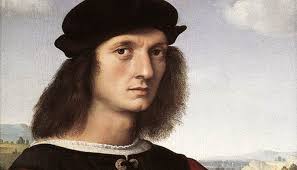
Raffaello Sanzio ( Urbino, 28 March 1483 - Rome, 6 April 1520 ) was a painter and architect Italian, among the most famous of the Renaissance. Considered one of the greatest artists of all time, his work marked an essential path for all subsequent painters and was of vital importance for the development of the artistic language of the centuries to come, giving life to a school that made art "in its own way" and that goes by the name of mannerism . A fundamental model for all the academies until the first half of the nineteenth century, its influence can also be seen in 20th century painters such as Salvador Dalí. His major paintings are in the Uffizi Museum in Florence.

664 Listings
.
.