
Uluru

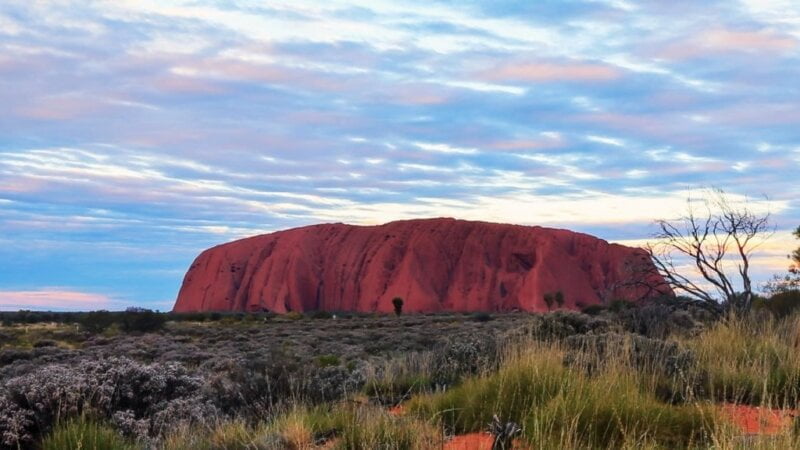
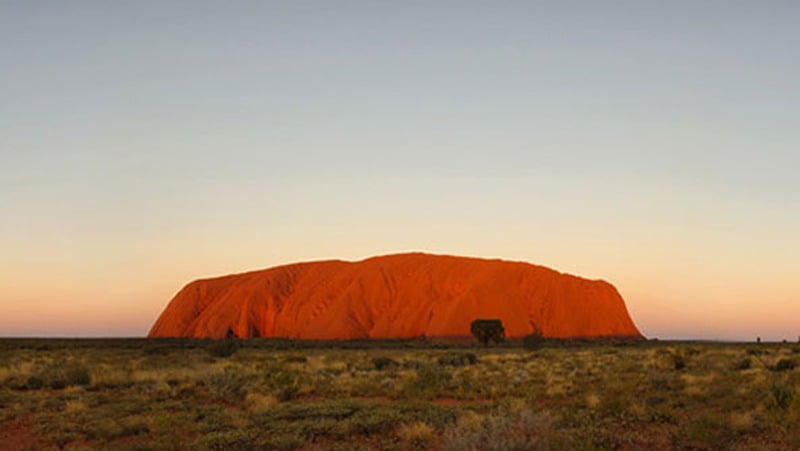
Uluru is at its most stunning around sunrise and sunset, when the golden light makes the rock’s colours come alive. For the Anangu people, Uluru is inseparable from Tjukurpa, or traditional law. The actions of the creation ancestors are still visible around the rock, and their stories are passed on from generation to generation, just as they have been for thousands of years.
Uluru is a spectacular panorama, but it’s real beauty can be found by looking closer. This ancient monolith is home to rare plants and animals, important spiritual sites and caves painted with remarkable rock art.
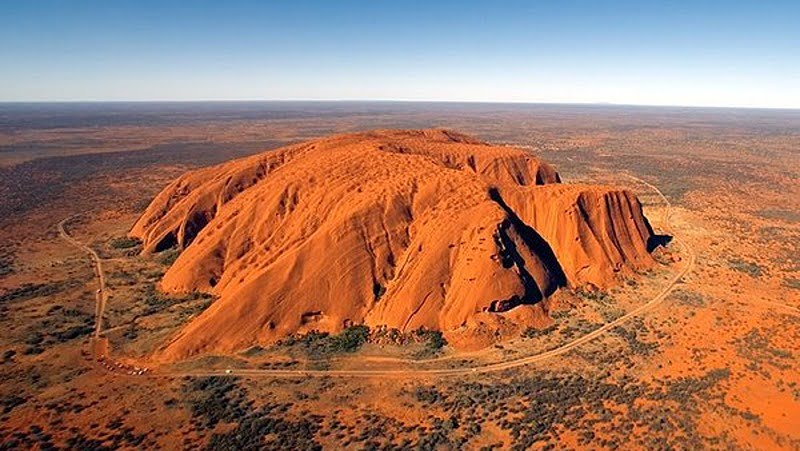
Uluru, also known as Ayers Rock, is a large sandstone formation in the centre of Australia. It is in the southern part of the Northern Territory, 335 km southwest of Alice Springs.
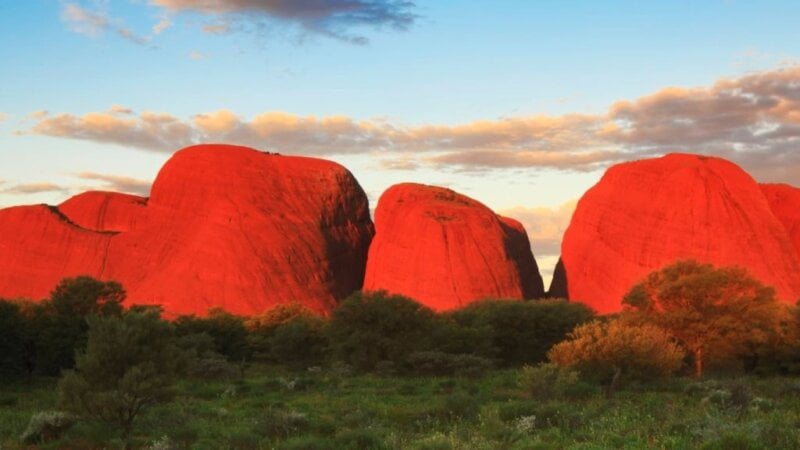
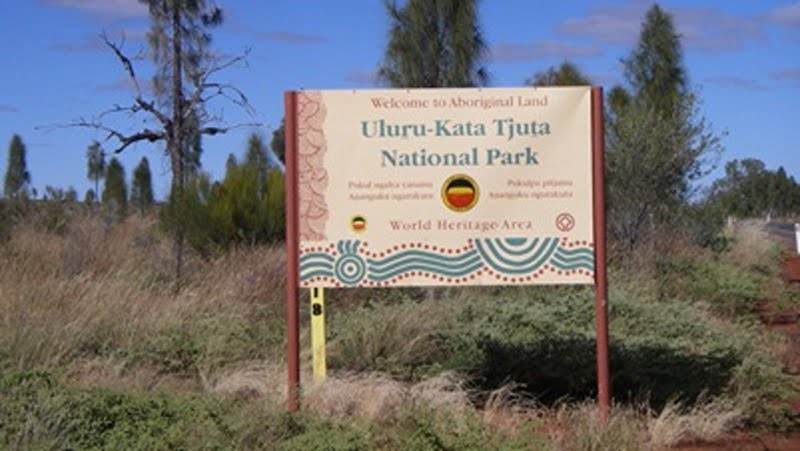
Uluru is sacred to the Pitjantjatjara, the Aboriginal people of the area, known as the Aṉangu. The area around the formation is home to an abundance of springs, waterholes, rock caves, and ancient paintings. Uluru is listed as a UNESCO World Heritage Site. Uluru and Kata Tjuta, also known as the Olgas, are the two major features of the Uluṟu-Kata Tjuṯa National Park.
Uluru is one of Australia’s most recognisable natural landmarks and has been a popular destination for tourists since the late 1930s. It is also one of the most important indigenous sites in Australia.