
Tower of London

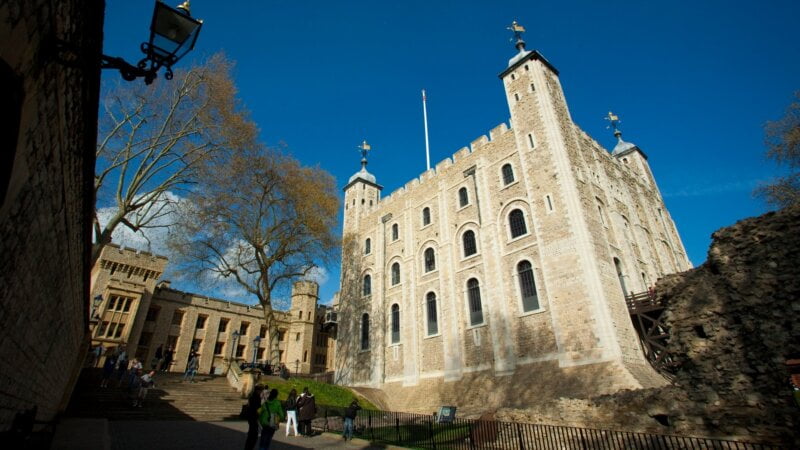
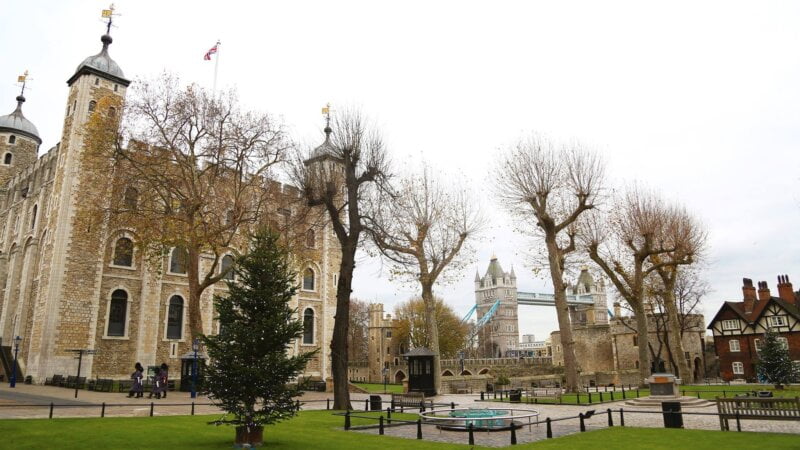
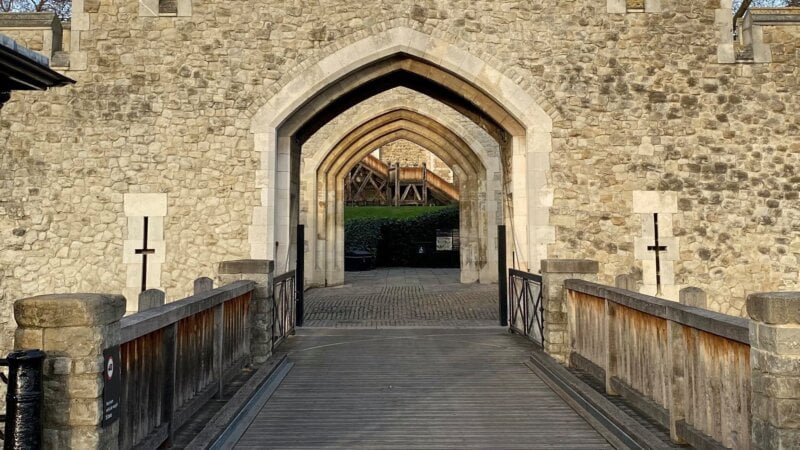

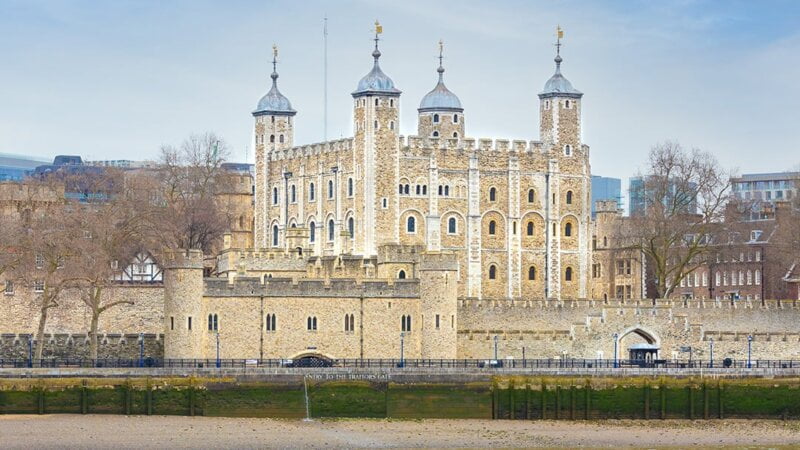
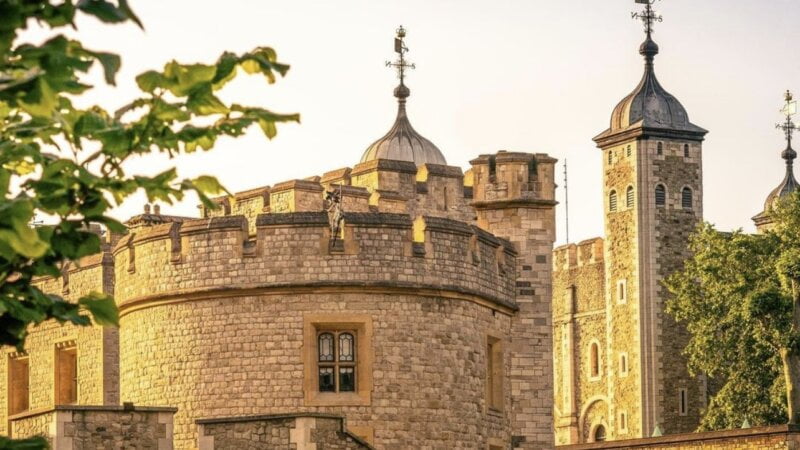
The Tower of London played an important role in the First and Second World Wars. From training WWI recruits in the Tower moat including the Royal Fusiliers (whose headquarters and museum still exists at the Tower of London today), to guarding the infamous Nazi prisoner of war Rudolph Hess, during each devastating conflict the Tower returned to its former role as a military store, barracks and prison. And it became, once again, a grim place of execution for enemies of the state. A total of 12 spies were executed behind the Tower’s walls. In 2014 and again in 2018, The Tower of London commemorated the centenary of WWI with two major installations. In 2014, ‘Blood Swept Lands and Seas of Red’ marked Britain’s first full day of involvement in the war by filling the moat with 888,246 ceramic poppies while in 2018, ‘Beyond the Deepening Shadows: The Tower Remembers’ saw the moat filled with thousands of flames that commemorated those who lost their lives.
Within days of Britain’s announcement to enter WWI, young men who worked near the Tower in the City answered the call to enlist. Some formed volunteer brigades with friends or work colleagues. 1300 men who worked for city firms joined the City of London Battalion, pictured here in the Tower moat, waiting to swear the oath of allegiance. By the turn of the 20th Century the Tower of London was seen as a tourist attraction, but the Tower never formally dissolved its function as a garrison, prison and execution site. The fortress actively carried out all three roles during the war, even as it remained open to visitors.