
Smithsonian Institution


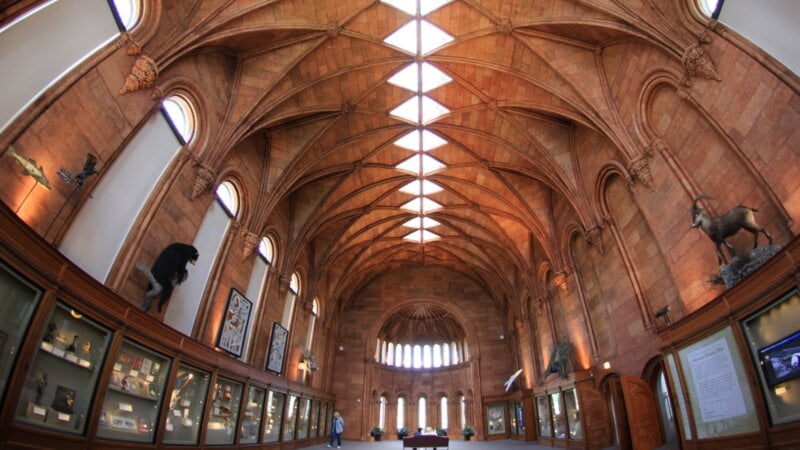
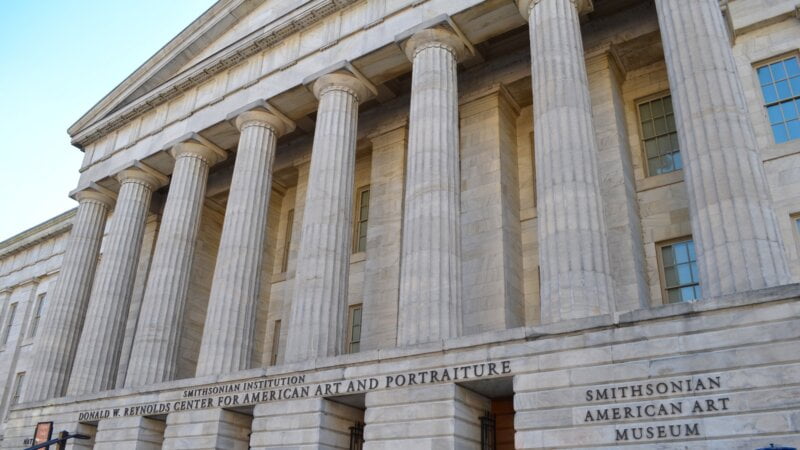

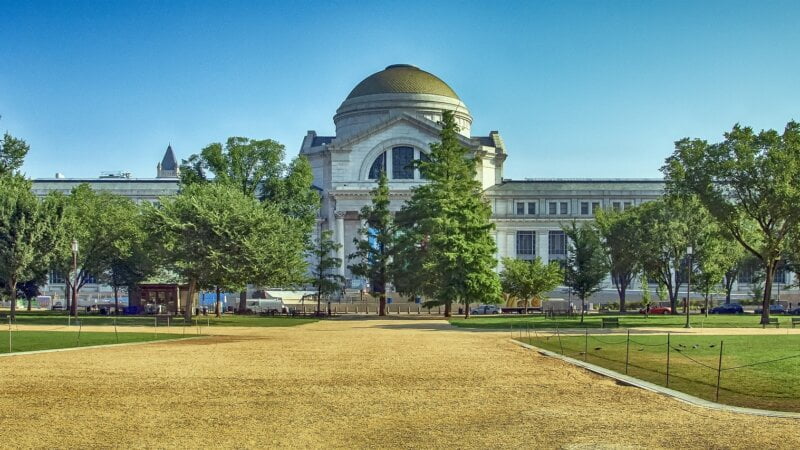
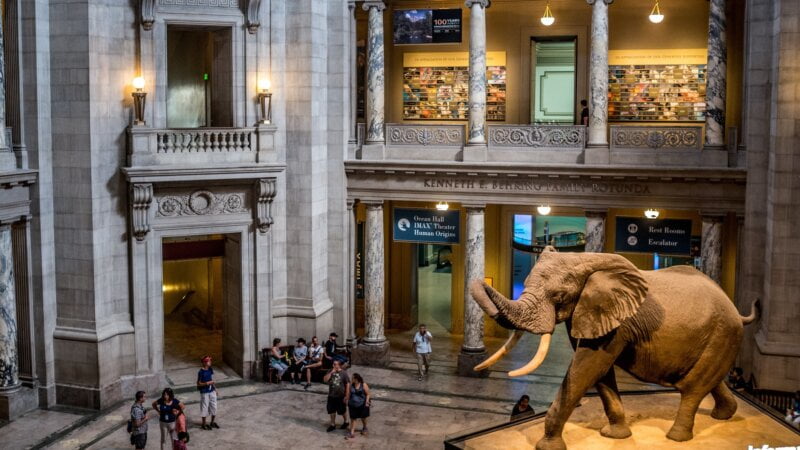
The Smithsonian Institution was established with funds from James Smithson, a British scientist who left his estate to the United States to found “at Washington, under the name of the Smithsonian Institution, an establishment for the increase and diffusion of knowledge.”
Smithson died in 1829, and six years later, President Andrew Jackson announced the bequest to Congress. On July 1, 1836, Congress authorized acceptance of the Smithson bequest, but it took another ten years of debate before the Smithsonian was founded.
The Institution was founded in 1846 according to Smithson wishes. Once established, the Smithsonian Institution became part of the process of developing an American national identity—an identity rooted in exploration, innovation, and a unique American style. That process continues today as the Smithsonian looks toward the future. They continue to honor this mission and invite you to join them in their quest.
When you visit the Smithsonian, you’re entering the world’s largest museum complex, with approximately 155 million artifacts and specimens in its trust for the American people. As a center for research, they are also dedicated to public education; national service; and scholarship in art, design, science, technology, history, and culture.