
Musée du quai Branly - Jacques Chirac


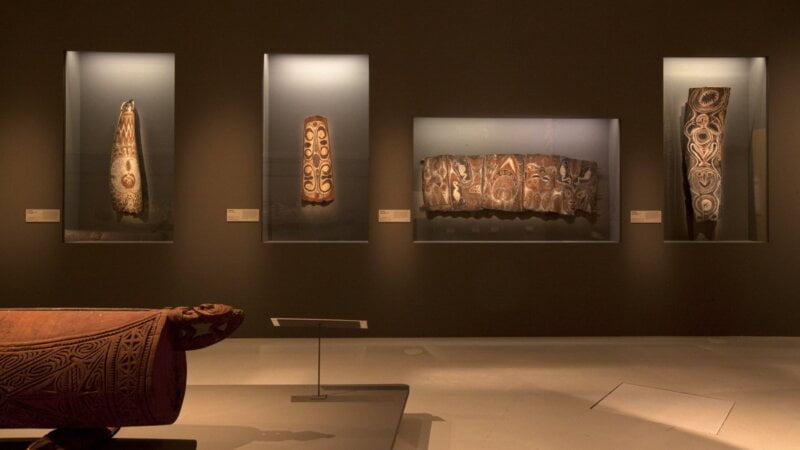
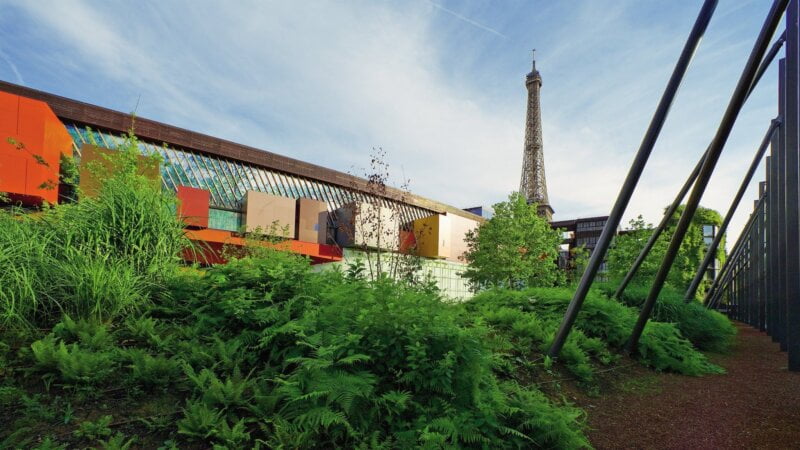
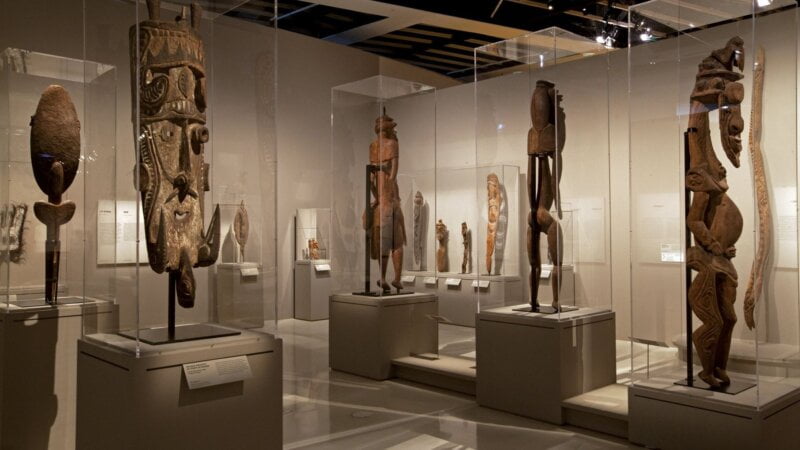
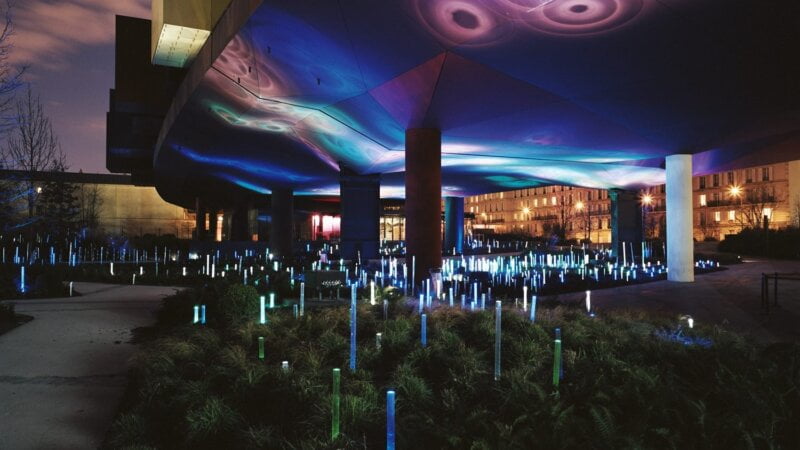
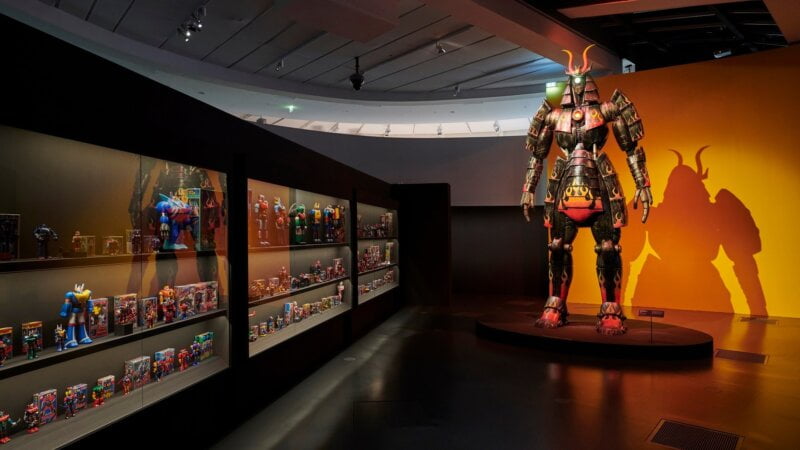
A public institution under the dual supervision of the Ministry of Culture and Communication and the Ministry of Higher Education and Research, the musée du quai Branly – Jacques Chirac is both a museum and a center of teaching and research: a forum open to the world presenting artistic, cultural and scientific events, with varied levels of interpretation and approach. From international conferences to more intimate encounters in the Jacques Kerchache Reading Room, from lectures at the Université Populaire du quai Branly (Branly Open University) to debates with contemporary artists, the nature and history of the museum collections continue to address issues at various levels.
Due to the very nature of its collections, the musée du quai Branly – Jacques Chirac has an international vocation and pursues an active policy of cooperation with the countries from which its collections originate. The museum has built up a culture of exchange based on scientific, cultural and technical cooperation. The museum also has a media library specializing in the areas of ethnology and the history of non-European art.
With the development of economic exchanges and the first colonial expansion, non-European collections began to accumulate in private collections, culminating in the 18th century in the creation of venues dedicated to their preservation and representation: cabinets of curiosities combining natural history specimens and archaeological, historical and ethnographic accounts. Following the French Revolution, the national museums were created and non-European ethnographic collections were transferred to them.
Initially presented at the musée du Louvre, these principally American collections gradually found their place in specific museums within the musée du Louvre, called in turn the “Musée Dauphin”, “Musée de Marine” and “Musée ethnographique”. In parallel with this development, the collections were enhanced by means of instructions for the collection of objects given to the sailors and scientists who undertook voyages around the world. In 1878, echoing the Universal Exhibition in Paris, the “musée d’Ethnographie du Trocadéro” was created, causing the museums’ missions to be reorganized: “At the Louvre: the domain of art, at the Trocadéro: the history of manners and customs without distinguishing between periods.”
As colonial conquests accelerated during the second half of the 19th century, major African collections among others were added to the Parisian collections of the “musée d’Ethnographie du Trocadéro” and many museums in other French towns and cities. Local learned societies were often the initiators and leaders of this network of regional museums. An extensive exchange of ethnographic objects took place between national and regional museums and the numerous ethnographic museums which were established throughout Europe and the rest of the world. Colonial and Universal exhibitions stimulated emulation by these institutions and a permanent colonial exhibition with both political and economic missions was established in Paris. It led to the birth of the Colonial Museum, which opened in parallel with the Colonial Exhibition of 1931.
Created in 1937, the “musée de l’Homme” took over from the musée d’Ethnographie du Trocadéro, which had fallen into disuse in the first half of the 20th century. Redesigned on scientific principles, the museum was enhanced by a large number of expeditions aimed at drawing up an inventory of the material cultures of the world. In parallel, and in line with the political development of the colonial territories, the Colonial Museum was transformed in 1935 into the “Musée de la France d’Outre-mer” (Museum of French Overseas Territories). Private collections, and particularly those of artists such as Picasso and André Breton, invited the visitor to perceive the works from an aesthetic perspective. With the independence movements of the second half of the 20th century, and under the direction of André Malraux, the artistic view of non-European civilisations was confirmed, and in 1961 the Colonial Museum became the Museum of African and Oceanian Art, then in 1990 the National Museum of African and Oceanian Art.
Opening in 2006, the musée du quai Branly – Jacques Chirac contains the collections of its double inheritance: those of the “musée de l’Homme” and of the “musée national des Arts d’Afrique et d’Océanie” (National Museum of African and Oceanian Art). With more than 370,000 objects, 700,000 iconographical pieces and more than 200,000 reference works, the musée du quai Branly – Jacques Chirac is one of the richest European public institutions dedicated to the study, preservation and promotion of non-European arts and civilisations.