
Easter Island


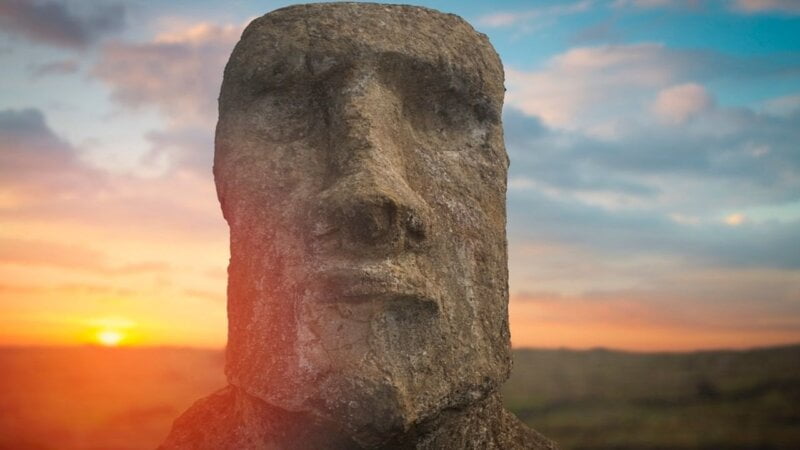
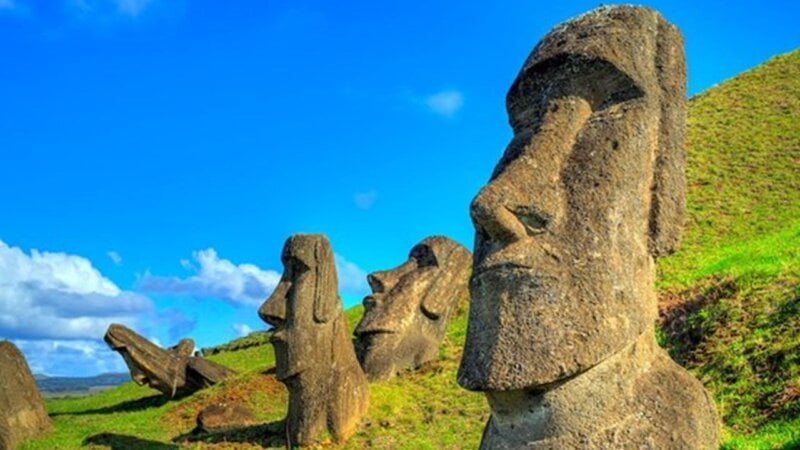
The world is fascinated by the creation of these statues, not only for the impressive size and quantity of them, but also for the circumstances under which they were built. This small island had very limited resources; not much drinking water, no cattle and no metal. The statues were transported to their final location several kilometres across hilly terrain – all of this being accomplished with the highest leader being a tribal chieftain.
Rapa Nui is located in the Pacific Ocean, on latitude -27.15 and longitude -109.4, 3600 km west of Chile in South America. Flying from Chile’s capital Santiago, which is the closest flight connection, takes around 5 hours.
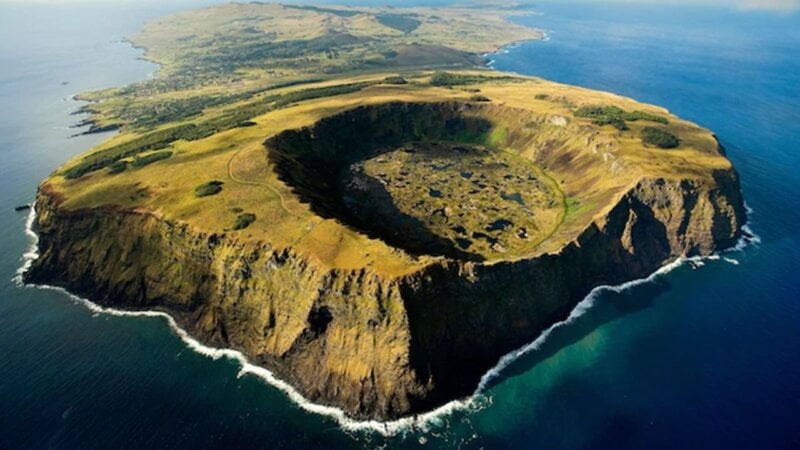
An isolated triangle measuring 14 miles long by seven miles wide, Easter Island was formed by a series of volcanic eruptions. In addition to its hilly terrain, the island contains many subterranean caves with corridors that extend deep into mountains of volcanic rock. The island’s largest volcano is known as Rano Kao, and its highest point is Mount Terevaka, which reaches 1,665 feet (507.5 m) above sea level. It has a subtropical climate (sunny and dry) and temperate weather.
The name “Easter Island” was given by the island’s first recorded European visitor, the Dutch explorer Jacob Roggeveen, who encountered it on Easter Sunday (5 April) in 1722, while searching for “Davis Land”. Roggeveen named it Paasch-Eyland (18th-century Dutch for “Easter Island”). The island’s official Spanish name, Isla de Pascua, also means “Easter Island”.
The current Polynesian name of the island, Rapa Nui (“Big Rapa”), was coined after the slave raids of the early 1860s, and refers to the island’s topographic resemblance to the island of Rapa in the Bass Islands of the Austral Islands group. However, Norwegian ethnographer Thor Heyerdahl argued that Rapa was the original name of Easter Island and that Rapa Iti was named by refugees from there.
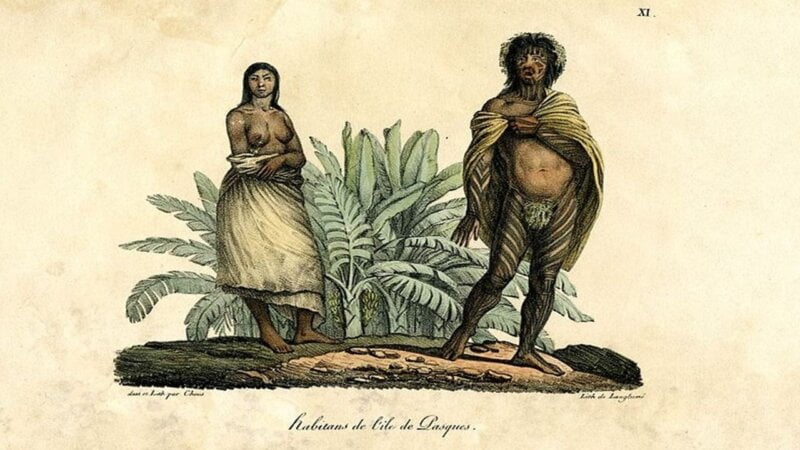
The Rapa Nui people are Polynesians, such as Hawaiians, Tahitians and the Maori of New Zealand. The native languages of these islands are very similar.
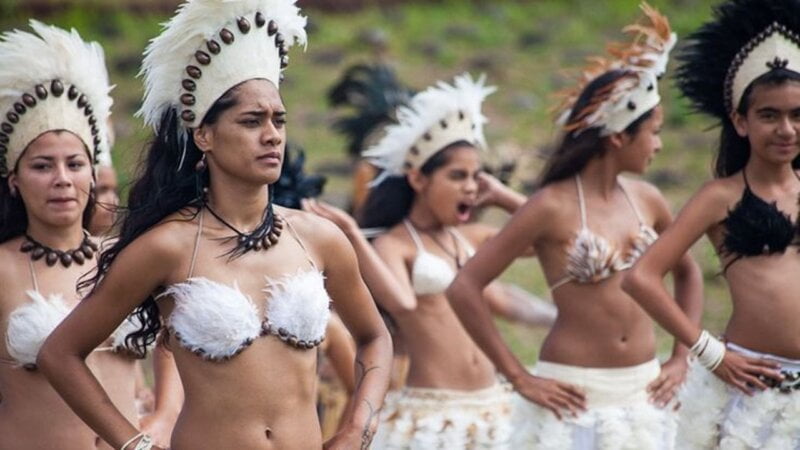
Music, dance and art has always been a central part of Rapa Nui culture. The island is today part of Chile, and strong South American influences threaten the existence of the fragile Rapa Nui culture which a mere 3000 people are part of.
As tourism became a more common part of the Easter Island society since the 1990s and people travel from all over the world to see this unique culture, there has been an increased pride in the cultural Rapa Nui identity. Today, most newborns that are Rapa Nui are given Rapa Nui names, and parents try to speak the native language to their children as much as possible. During the 1980s and before, most babies were given Spanish names, and parents often did an effort to teach their children Spanish, even if this was their weaker language.