
Museo Egizio Torino

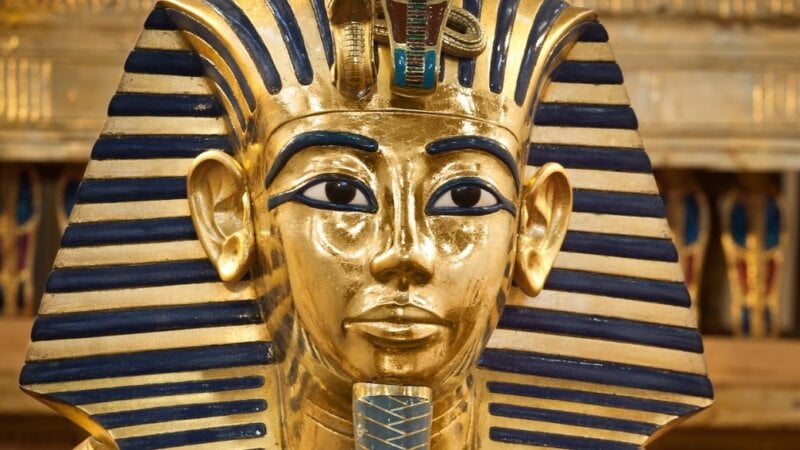
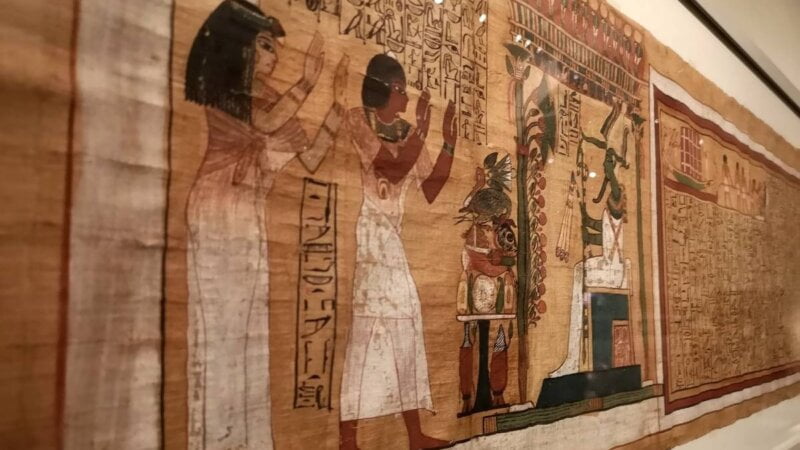
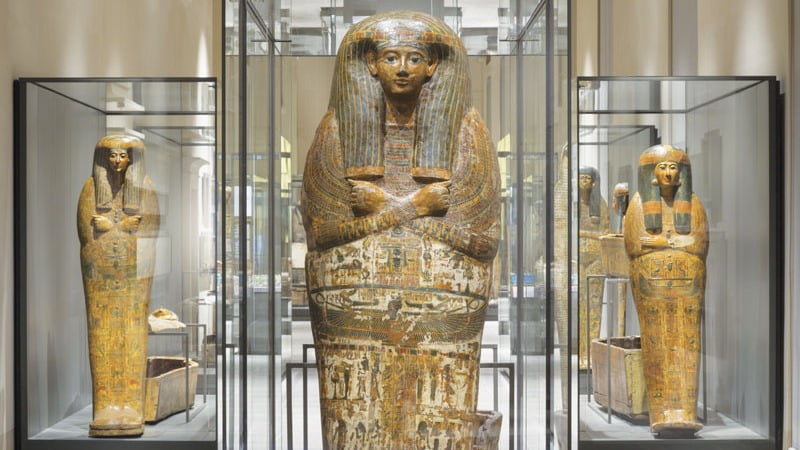
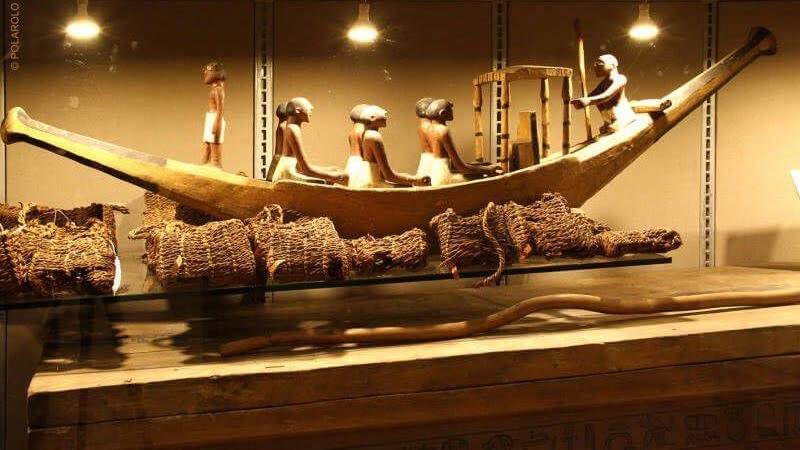
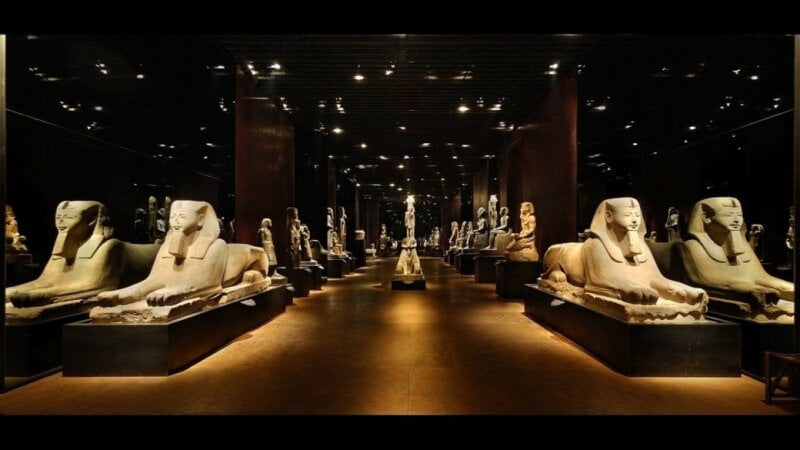
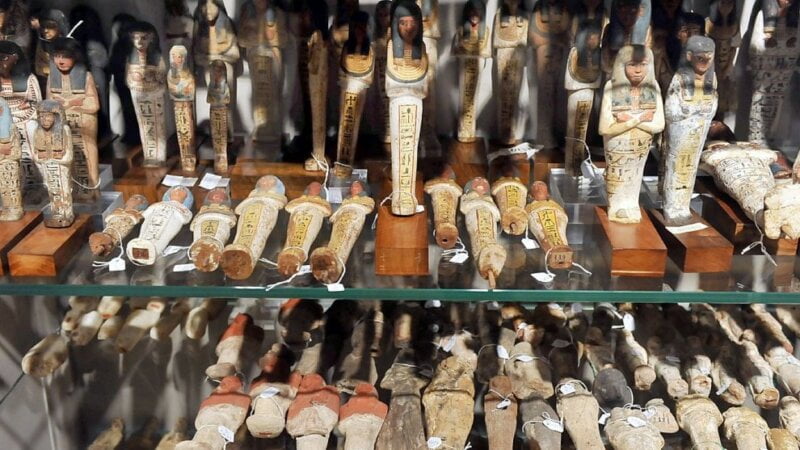
The Egyptian Museum of Turin, Museo Egizio Torino, is the oldest museum in the world, entirely dedicated to the Nilotic civilization and is considered, by value and quantity of the finds, the most important in the world after that of Cairo. Many internationally renowned scholars, beginning with the deciphering of Egyptian hieroglyphics, Jean-François Champollion, who arrived in Turin in 1824, have since devoted themselves to the study of his collections. When it was founded (1824), the Museo Egizio Torino was housed in the building called the Collegio dei Nobili, built to a design by Michelangelo Garove from 1679 on. It was used to exhibit the first antiquities in the Drovetti collection, purchased by King Carlo Felice. Following alterations by Giuseppe Maria Talucchi and Alessandro Mazzucchetti, the building was enlarged and adapted to its new use in the second half of the 19th century. Already in 1832, however, the Museum was opened to the public. Between 1903 and 1937, the archaeological excavations conducted in Egypt by Ernesto Schiaparelli and then by Giulio Farina brought some 30,000 artefacts to Turin. The Museum underwent a first reorganization of the rooms in 1908, and a second, more important one, in 1924, with the official visit by the king.
Starting from the 1980s, partly as a result of increasing numbers of visitors, it became necessary to plan a new itinerary for visitors that led to the installation of new exhibition spaces. In particular, the reclamation and masonry underpinning of the Schiaparelli Wing created extensive underground spaces devoted to the archaeological activities at Assiut, Qau el-Kebir and Gebelein. On the ground floor, a large room was recovered to house antiquities from the Predynastic Period and Old Kingdom.
Contact details
Via Accademia delle Scienze 6, Torino, 10123, Italy
10123
*****
Contact listing owner