
Taj Mahal India

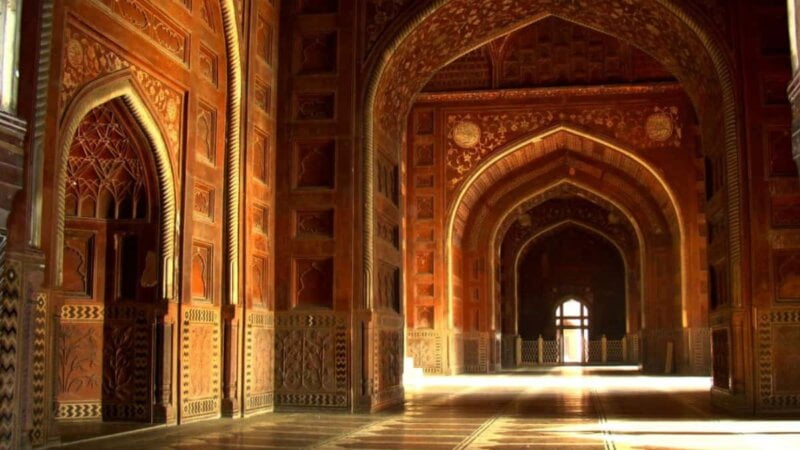
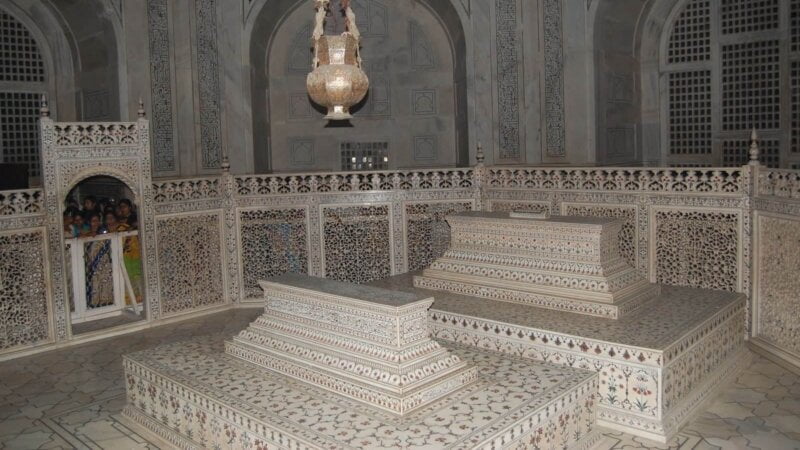
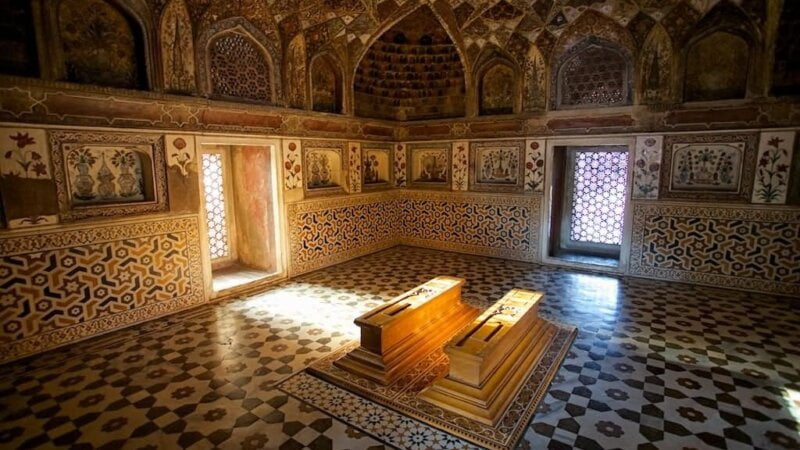
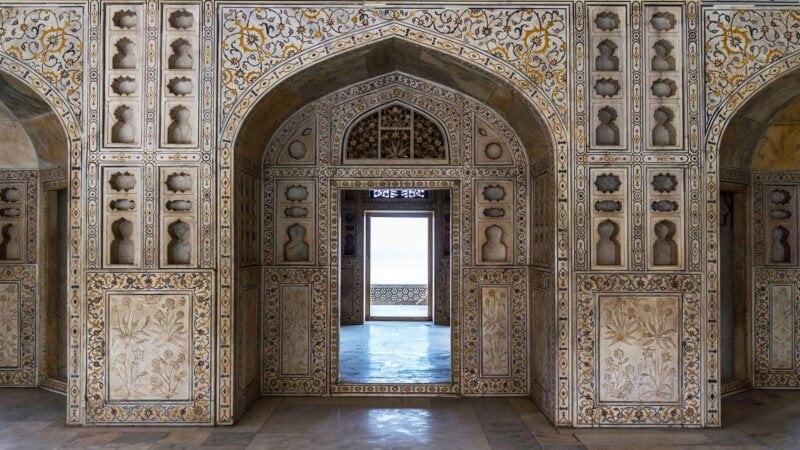
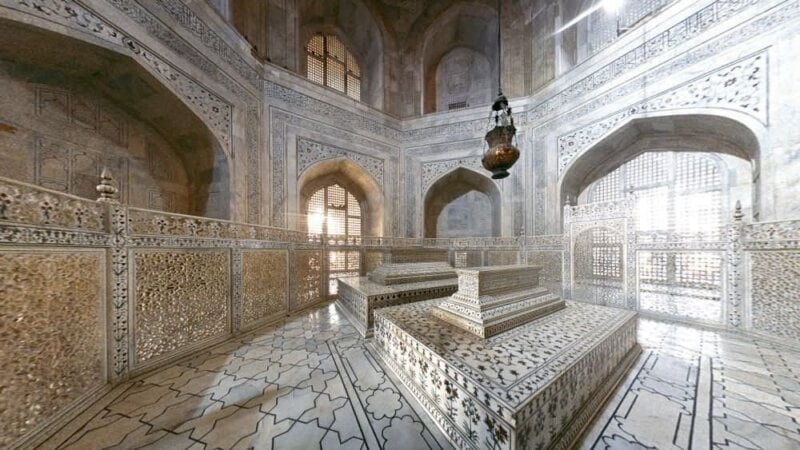

The Taj Mahal, in India, is an enormous mausoleum complex commissioned in 1632 by the Mughal emperor Shah Jahan to house the remains of his beloved wife. Constructed over a 20-year period on the southern bank of the Yamuna River in Agra, India, the famed complex is one of the most outstanding examples of Mughal architecture, which combined Indian, Persian and Islamic influences. At its center is the Taj Mahal itself, built of shimmering white marble that seems to change color depending on the daylight. Designated a UNESCO World Heritage site in 1983, it remains one of the world’s most celebrated structures and a stunning symbol of India’s rich history. The plans for the complex have been attributed to various architects of the period, though the chief architect was probably Ustad Aḥmad Lahawrī, an Indian of Persian descent. The five principal elements of the complex—main gateway, garden, mosque, jawāb (literally “answer”; a building mirroring the mosque), and mausoleum (including its four minarets)—were conceived and designed as a unified entity according to the tenets of Mughal building practice, which allowed no subsequent addition or alteration. Building commenced about 1632. More than 20,000 workers were employed from India, Persia, the Ottoman Empire, and Europe to complete the mausoleum itself by about 1638–39; the adjunct buildings were finished by 1643, and decoration work continued until at least 1647. In total, construction of the 42-acre (17-hectare) complex spanned 22 years.
Contact details
Dharmapuri, Forest Colony, Tajganj, Agra, Uttar Pradesh, 282001, India
282001
*****
Contact listing owner