
Neuschwanstein Castle

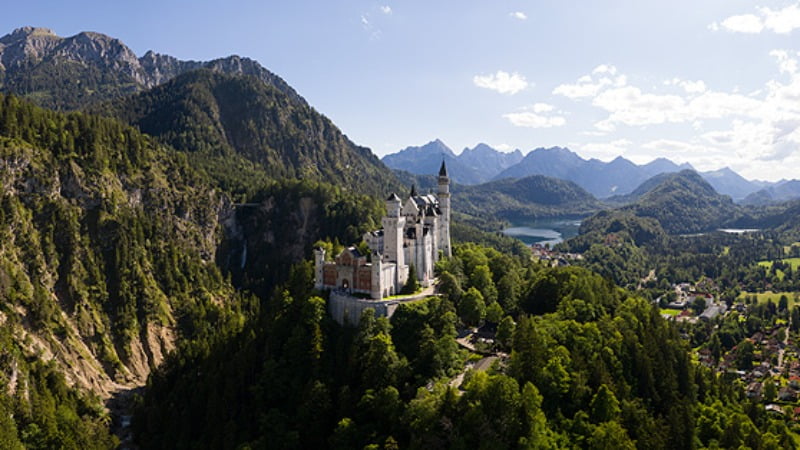
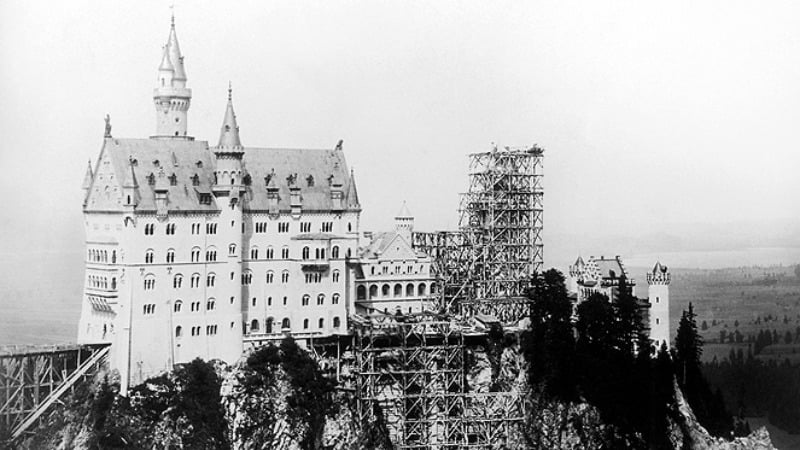
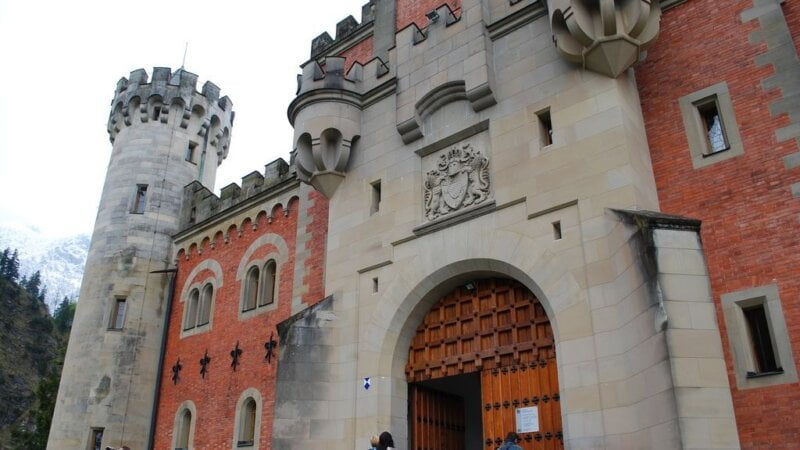
Die idyllische Lage von Neuschwanstein ist einmalig. Allerdings müssen Bewegungen im Fundamentbereich ständig überwacht und die steilen Felswände immer wieder gesichert werden. Ebenso greift das raue Klima die Kalkstein-Fassaden stark an, was immer wieder Sanierungsmaßnahmen erfordert.
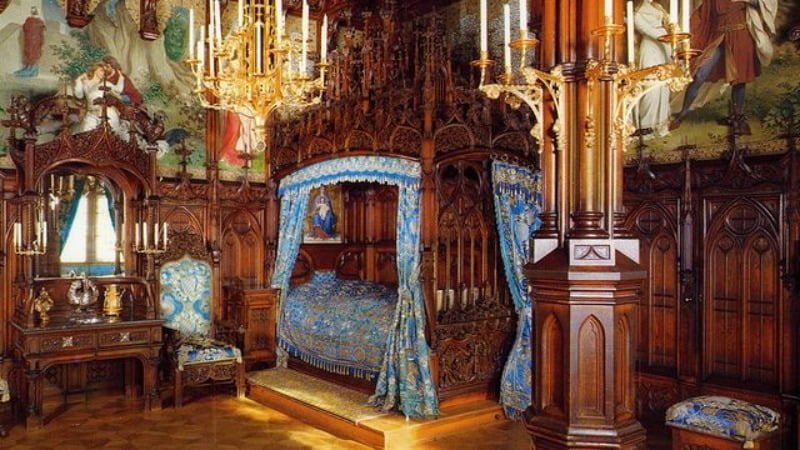
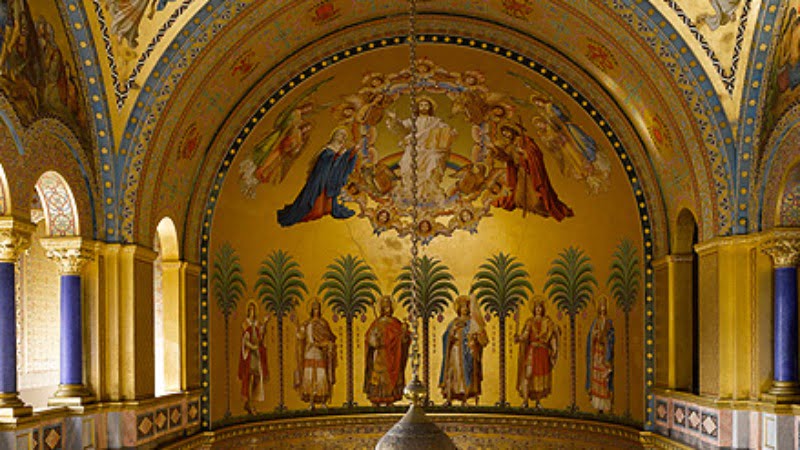
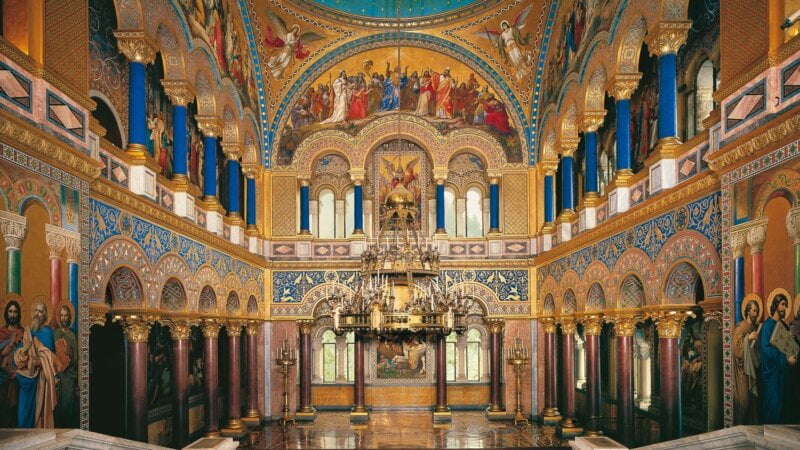
Seven weeks after the death of King Ludwig II, Neuschwanstein was opened to the public in 1886. The shy king built the castle to withdraw from the public eye – now his refuge has become a crowd puller. Today Neuschwanstein is one of the most visited palaces and castles in Europe. Around 1.4 million people visit “the castle of the fairy tale king” every year. In summer, an average of more than 6,000 visitors a day push their way through rooms that were intended for a single resident. In connection with the alpine climate and light, this leads to considerable strain on the valuable furniture and textiles, which we strive to preserve intensively.
The idyllic location of Neuschwanstein is unique. However, movements in the area of the foundations must be constantly monitored and the steep rock faces must be secured again and again. The harsh climate also has a strong impact on the limestone facades, which repeatedly requires renovation measures.