
Blaenavon

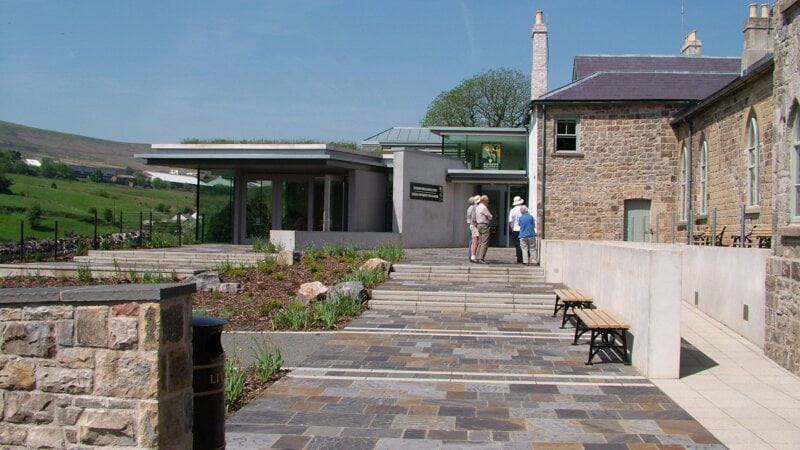
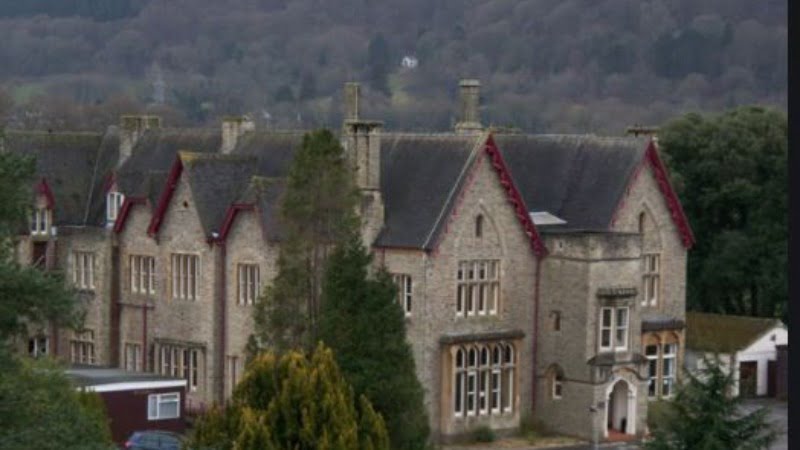
The Blaenavon World Heritage Centre aims to create a world-class learning resource helping people to understand the Outstanding Universal Value of the Blaenavon Industrial Landscape World Heritage Site. It aims to become a centre for education of the sciences, technology, engineering, maths, innovation and development, using the story of Blaenavon’s Industrial Landscape. It will provide access for all to a wide range of learning opportunities, both formal and informal, and will inspire people to relate to their place in the global culture.
Blaenavon’s Industrial landscape became a World Heritage Site in December 2000. It is a landscape shaped by human hand, dating from the early days of the Industrial Revolution – a significant stage in human evolution, when the iron and coal industries of South Wales were of global importance.
The Blaenavon Industrial Landscape is an important place of study of the Industrial Revolution. It is an ideal venue for schools studying changes in people’s daily lives in the 19th century, as well as changes that happened in Wales, Britain and the wider world between 1760 and 1914. It provides an excellent case-study for students studying urban decline and economic regeneration.
The Blaenavon World Heritage Centre was established to provide a focal reference point to the area’s rich industrial legacy, telling the story of the people who have shaped this landscape from the earliest days of the Industrial Revolution to the present day using a range of media including film, audio, graphics and interactive displays.
The Blaenavon World Heritage Centre currently houses a resource room with items covering a wide range of topics relevant to the Blaenavon World Heritage Site. There is an interactive display in the main exhibition space, with touch screens hosting both adult and child-friendly programs to explore key information relevant to the World Heritage Site. A new Victorian replica classroom and learning facility has recently been created in the World Heritage Centre with costumes, slates, and other props and toys of a 19th century Schoolroom. The Centre also has many educational resources, covering the history through time of the Blaenavon Industrial Landscape.
The Blaenavon World Heritage Centre works in close partnership with learning staff at Big Pit National Coal Museum, Blaenavon Ironworks and Natural Resources Wales to deliver education across the World Heritage Site.
The Blaenavon World Heritage Centre is a logical starting point for visits into the Blaenavon Industrial Landscape. The former heavy industries left their mark on the environment, which is full of hidden treasures, making it an ideal location for outdoor educational visits that can be facilitated by staff. In order to maximise the educational benefit of a visit, we recommend that you take advantage of one or more organised activities or workshops led by an experienced education officer.
Blaenavon’s Industrial landscape became a World Heritage Site in December 2000. It is a landscape shaped by human hand, dating from the early days of the Industrial Revolution – a significant stage in human evolution, when the iron and coal industries of South Wales were of global importance.
The Blaenavon Industrial Landscape is an important place of study of the Industrial Revolution and is an ideal venue for schools studying changes in people’s daily lives in the 19th century and changes that happened in Wales, Britain and the wider world between 1760 and 1914. It is also an excellent case-study for students of urban decline and economic regeneration.
The Blaenavon World Heritage Site now boasts three visitor attractions which offer full-time, dedicated educational services:
The Blaenavon World Heritage Centre is based in the former St Peter’s School founded in 1816 to educate the ironworker’s children. Now it offers an overview of the World Heritage Site and offers educational workshops for all age groups, focusing on the lives of local people from the early Celts through to modern days. It is also the starting point for a number of outdoor activities.
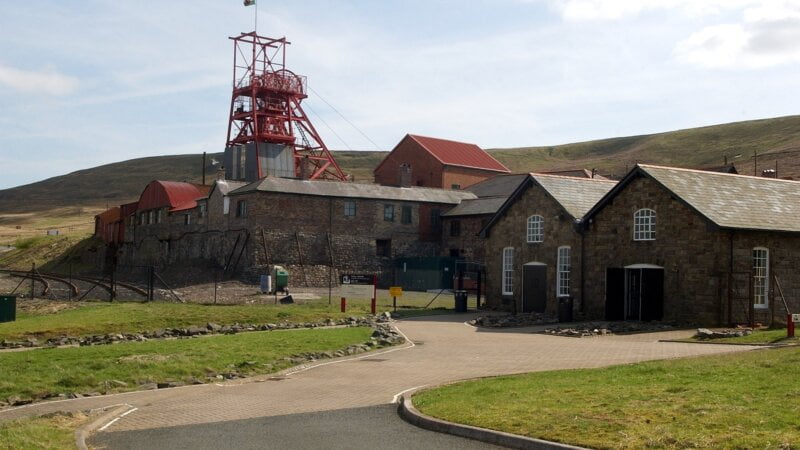
Big Pit National Coal Museum offers guided underground tours conducted by former coal miners. The restored pithead baths features displays and interactive exhibitions enabling visitors to learn about the history of coal mining, and the people who lived and worked in coal mining communities in Wales.
Blaenavon Ironworks is the most significant historical feature within the Blaenavon Industrial Landscape. Today you can view the extensive remains of the blast furnaces, cast houses and iconic water-balance tower, and gain a fascinating insight into the social history of the Industrial Revolution at the reconstructed company ‘truck’ shop, 19th century workers’ cottages and the newly interpreted cast houses.